Unraveling the Tapestry of Our Emotions: How Voice Biofeedback Can Transform Healing
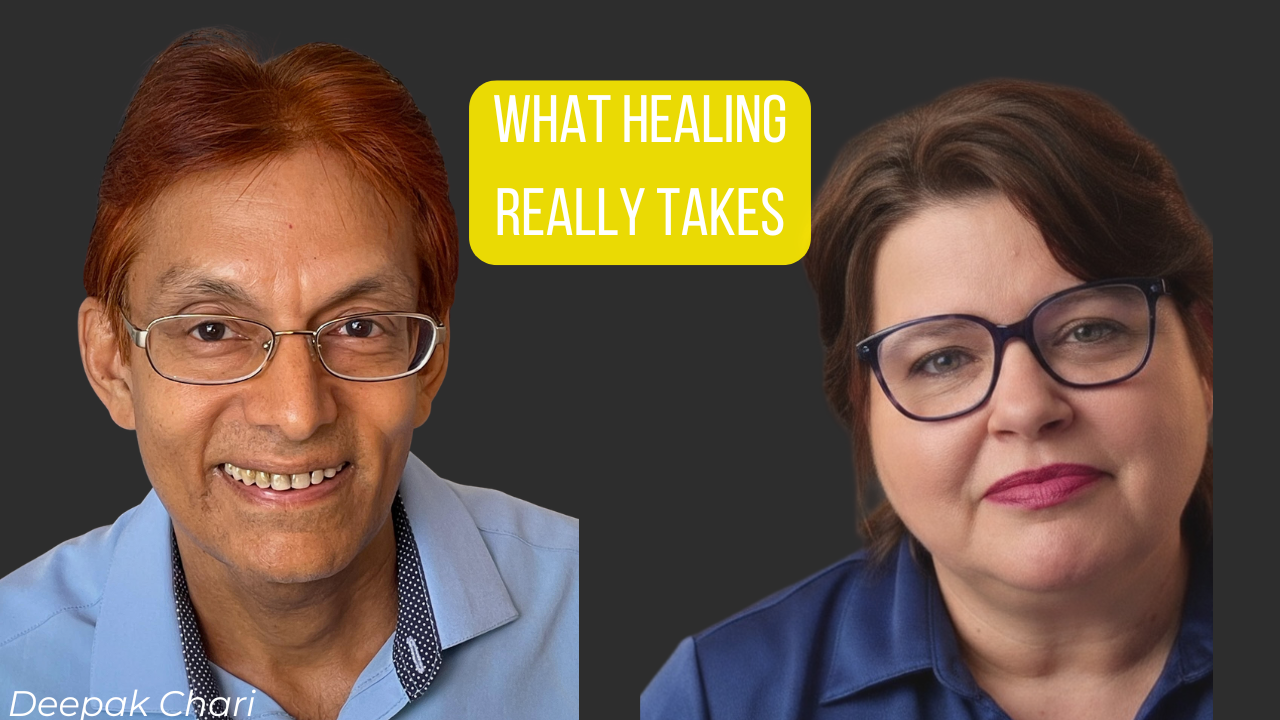
Introduction: In the latest episode of Travel Time Stories, hosts Shannon and Ann dive deep into the intricacies of emotional healing with their special guest, Deepak Chari. As a certified biofeedback specialist, Deepak sheds light on how our emotions are not just fleeting feelings but deeply rooted experiences that shape our lives. Join us as we explore the revolutionary concept of Advanced Voice Biofeedback and how it can change the way we perceive our emotional journeys.
Understanding Emotional Blocks
What Your Voice Reveals: Unlocking Emotional Healing
In this episode, Deepak Chari introduces listeners to the concept of emotional blocks and how they manifest in our daily lives. He explains that many of our reactions to stressors are not merely responses to the present moment but are often triggered by unresolved issues from our past. For example, he describes how being cut off in traffic might elicit a strong reaction, but upon further reflection, that reaction often has its roots in childhood experiences.
Deepak emphasizes that our emotional responses are tied to subconscious memories from our formative years. He recounts a fascinating case where a client’s anger at a driver was traced back to unresolved childhood feelings. This insight reveals the importance of understanding our emotional history in order to respond to life’s challenges more effectively.
The Four Phases of Emotional Development
Deepak outlines a framework he has developed over 20 years, consisting of four distinct phases that shape our emotional landscape:
1. The Procreation Phase: This phase begins even before birth, where every thought, feeling, and emotion from our parents is downloaded into our energy field. For instance, if a parent is feeling frustrated about their career, that energy can influence the unborn child’s emotional makeup.
2. The Womb Phase: As the fetus develops, it absorbs the emotional states of the mother. If a mother feels unwanted or anxious, those feelings are transmitted to the child, creating a foundation of emotional responses that may follow them into adulthood.
3. The Birth Phase: Upon birth, a child interfaces directly with their parents and caregivers. Messages received during this time can become ingrained beliefs. For example, if a parent frequently compares their child to others, the child might internalize feelings of inadequacy.
4. The Life Phase: As individuals grow, they inadvertently replicate the emotional patterns and behaviors observed in their parents and grandparents, often unconsciously. Deepak points out that many people find themselves repeating the same mistakes or struggles as their predecessors, despite their intentions to break the cycle.
The Power of Voice Biofeedback
Deepak describes his innovative approach, Advanced Voice Biofeedback, as a means to access and understand these emotional blocks. By analyzing the voice, he can identify underlying emotional patterns and help clients release them. This process is not about merely coping with stress but about truly releasing it, allowing individuals to forge new paths free from the burdens of their past.
For example, Deepak shares a story of a client who, through voice analysis, uncovered deep-seated feelings of unworthiness rooted in their childhood. By addressing these emotions head-on, the client was able to transform their life and improve their relationships.
Conclusion: Key Takeaways
In this enlightening episode, listeners are encouraged to reflect on how their emotional histories shape their present experiences. Deepak Chari’s insights into the four phases of emotional development and the transformative power of voice biofeedback offer a fresh perspective on healing. As we navigate life’s challenges, understanding our emotional roots can empower us to break free from patterns and create a more fulfilling life.

Host/Travel Agent/Author
Shannon is the heart behind Travel Time Stories. A storyteller and traveler at soul level, she believes journeys—both across the world and within ourselves—have the power to heal, connect, and transform. Through honest conversations, she creates space for stories that inspire reflection, resilience, and connection.

Healing Beyond the Prescription: A Journey Through PTSD and Alternative Therapies