No Matter Where You Go, There You Are: Life Lessons and Inner Clarity (feat. Kristen Crabtree)


What happens when travel stops being an escape — and becomes a mirror? In this episode of Travel Time Stories with Shannon, Shannon and Ann sit down with Kristen Crabtree, author and transformation guide, to talk about freedom, identity, and the inner journeys that shape our lives. From 2016 to 2020, Kristen traveled full-time across the U.S. and Canada in an RV — seeking freedom, clarity, and a deeper understanding of herself. Along the way, she discovered a truth many of us learn the ...


What happens when travel stops being an escape — and becomes a mirror?
In this episode of Travel Time Stories with Shannon, Shannon and Ann sit down with Kristen Crabtree, author and transformation guide, to talk about freedom, identity, and the inner journeys that shape our lives.
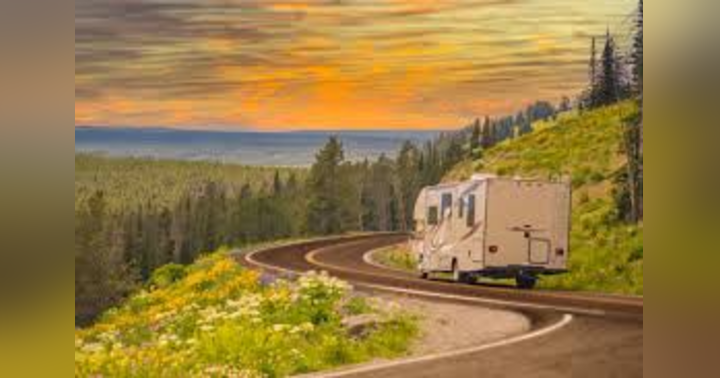
From 2016 to 2020, Kristen traveled full-time across the U.S. and Canada in an RV — seeking freedom, clarity, and a deeper understanding of herself. Along the way, she discovered a truth many of us learn the hard way: no matter where we go, there we are.
In this thoughtful conversation, we explore:
🚐 Life on the road and the reality behind full-time RV travel
🌿 What travel reveals — and what it can’t fix
✨ Identity, clarity, and navigating major life transitions
🧭 Choosing clarity over fear in everyday decisions
💛 How to come home to yourself, wherever you are
This episode is for anyone feeling restless, stuck, or standing at the edge of change — wondering whether to stay, go, or simply listen more closely.
🎧 Available on podcast apps and YouTube
📌 Links to Kristen’s work and resources https://www.you2point0.com
If something in this conversation resonated, you can visit you2point0.com to schedule a free, private conversation. It’s a space to slow down, ask honest questions, and listen for what’s true for you. This isn’t about goals or fixing yourself—it’s about uncovering your truth through the same reflective process that helped me step into my True You 2.0.
Link to Kristen's business web address, it is: www.paramourparadox.com.
✨ Grab your favorite beverage, get comfortable, and travel this story with us. #rvliving #podcast #traveltimestorieswithshannon #travelpodcast #lifetransitions #transformationcoach #transformationjourney #innerhealing #tunein #newepisode #podmatch
Shannon (00:01.798)
Welcome back to Travel Time Stories with Shannon, where real journeys meet real stories and healing happens one conversation at a time. I'm your host Shannon, coming to you from the Lone Star State of Texas. Some weeks I open up and share pieces of my own life story, from my travel adventures to the winding road of healing and personal growth. And other weeks I'm joined by my best friend and co-host Ann from Missouri.
as we sit down with special guests to share their experiences, insights, and expertise to help all of us along our own journeys. Today, Ann is here with me. Hey, Ann.
Ann (00:42.32)
Hey everybody.
Shannon (00:44.306)
And today's guest embodies the heart of this podcast because her story reminds us that travel isn't always about where we go. Sometimes it's about what we discover once we stop running. And from 2016 to 2020, Kristen Crabtree traveled full-time across the United States and Canada in an RV, exploring freedom, identity, and the quiet truth
that no matter where we go, there we are. So today she's an author and she's a transformative guide who helps people navigate major life transitions by reconnecting with themselves and choosing clarity over fear. Ann and I are so excited to welcome you, Kristen, to the show. Thank you for being here.
Kristen Crabtree (01:20.12)
Hahaha.
Ann (01:35.728)
Yes.
Kristen Crabtree (01:38.252)
I am so excited to be here Shannon and Ann, thank you for having me.
Ann (01:38.554)
Thank you.
Ann (01:42.97)
Well, as we say on travel time stories, grab your favorite beverage everyone and let's get into it.
Shannon (01:49.892)
She had a beverage, yay!
Ann (01:52.081)
Yay, awesome! Kristen, before we get into what you do now, I'd love to go back to the beginning. What first sparked the decision to live full-time in an RV on the road?
Kristen Crabtree (02:09.934)
I'm an army brat. And for those of you who don't know what that term means, my dad was military. My other dad was military. My grandpa was military. My other grandpa was military. And my other grandpa was. So, you know, like that, it runs deep in my blood. And I've always been the kind of person, because of that, that if I'm somewhere three years, I start to get itchy. like, go. I gotta go.
Ann (02:13.455)
Yeah.
Shannon (02:14.639)
We know.
Kristen Crabtree (02:35.926)
And I wound up living in California for a really long time. And in one area in particular, gorgeous, Central Coast, California, for a lot of years. And it was a big change for me to live in one place for so long. But as circumstances would have it, not necessarily under my control, I was relocated up to Portland, Oregon.
I was not happy there. I had always wanted to travel in an RV. And my then wife also had always said she wanted to do that. So about 10 months into us living in Portland, we decided, you know, we had been waiting until we were older, until we were retired, although she was retired, but you know, until we were the right the right age to, to travel and
Ann (03:30.48)
you
Kristen Crabtree (03:35.424)
We finally decided, you know what, let's just do it. Let's go out for a year, get an RV and then we'll sell the RV after we're done. Well, we were in, Utah for six months and then realized we've been in Utah for six months. So a year is not quite long enough. and we weren't in just one place in Utah, but there's so many national parks there. that, and we had a RV where.
We could be completely off grid. had solar and compost toilet and all that stuff. Neither one of us were the type to want to camp in RV parks unless we were in transition somewhere and that was the only place to park. But we really liked what they call boon docking, which is off grid camping, usually on BLM land, which I don't think they have in Texas or Missouri.
Ann (04:09.397)
nice.
Kristen Crabtree (04:33.93)
or Massachusetts, BLM land is more, it's Bureau of Land Management and it's more like the mountain states and the West Coast and that kind of thing. So, but then also, you know, there's state land and there's state parks and all of those that are less, you know, fewer accommodations, I guess, you know, I could say. And so we did that. So.
Shannon (04:39.121)
Mm-hmm.
Kristen Crabtree (04:59.648)
About six months into our RV travels, when we hadn't really gotten much past Utah, we decided, okay, we'll probably do this more than a year, but let's see how things go. And so we kind of removed that artificial deadline and stayed traveling for three years, three and a half years. We probably would have traveled longer, but that gets into a whole nother story, whole nother chapter of my life. But yeah, that's sort of how it happened.
and the other part of that was we both had traveled a lot internationally. I I lived in Nigeria when I was young. I lived in Germany. She had lived in the UK and Ireland. And, you know, we both had traveled a lot abroad and hadn't done quite as much in the U.S. I had pretty much only explored.
Ann (05:35.6)
Mm-hmm.
Kristen Crabtree (05:56.354)
the West Coast and the East Coast. I hadn't been much in the central or the south. And I wanted to see all that. I wanted to see what our country is, you know.
Shannon (06:05.285)
Yeah.
Ann (06:05.594)
Right. That would be so fun.
Shannon (06:07.685)
mean, exactly. And most people when they want to travel, especially if you're from the United States, your whole deal is traveling like you want to go across the pond and go to Europe and all that. But there's so much in our backyards right here in the United States, so much beauty and history just right here that people don't really explore.
Kristen Crabtree (06:21.006)
Uh-huh.
Ann (06:25.348)
Yes.
Kristen Crabtree (06:28.759)
It's amazing.
Ann (06:31.226)
Mm-hmm.
Kristen Crabtree (06:32.257)
You know, the something that I did during that time, I'm one of those people that like kind of can't sit still and I wasn't working a job on the road. so one of the things that fascinated me at the beginning of our travels was I, we were, so I was 40 something when we started traveling, I think like 47, 48.
and she was like, I don't know, six years older or something, five years older. We thought we would be the young ones on the road. You we were expecting everybody to be 60s, 70s. And that's not the case. At least when we were traveling, there's this huge culture now of full-time RVers who are in their 20s, 30s and 40s. They have babies on the road. They...
Ann (07:13.946)
Yeah.
Kristen Crabtree (07:29.868)
You know, there was this one family that was seven people in a van, like a van, right? And I became really fascinated by this and being a writer and being bored. I am as bored as it could be going to all these beautiful national parks. But I decided to interview different full time travelers that I had seen on Instagram or Facebook from different generations. And
Shannon (07:36.836)
No.
Ann (07:37.45)
no...
Kristen Crabtree (07:57.536)
This goes back to 2017. So I'm not marketing the book on this show, but I did write a book called The New American Dream, Finding Lifestyle Freedom on the Road. It's a super fun read. It's really cheap on Amazon because I haven't marketed it. So they keep dropping the price, you know, you want to check it out. But it's stories that each of these 25 families or couples or individuals
shared with me about their travels. And then also I distilled it all into practical like tips for somebody who did want to travel full-time in an RV. So that's kind of that that became my fascination that I turned into a project really for myself more than anything else.
Ann (08:36.4)
Nice.
Shannon (08:45.073)
Yeah, that's really interesting though. I'll definitely have to check that out because I would love to hear the stories of the people who have done this, especially the different age ranges and their perspectives on it and the ways that they're doing it. Because I'm sure each age range is doing it just a little bit different than the other.
Ann (08:45.52)
That's dirty. Very. Yes.
Kristen Crabtree (08:56.973)
Yep.
Ann (08:57.262)
Mm-hmm. Yes!
Kristen Crabtree (09:06.85)
Yep. Yep, exactly.
Shannon (09:10.917)
So how did people around you respond when you told them you were gonna live in an RV?
Kristen Crabtree (09:17.87)
You know, oddly enough, I think my family kind of gets more concerned when I seem settled. Because I've just never really been like, you know, the traditional get married to a man and have babies, have a corporate job and work nine to five. Like none of that has ever really been me. And so my family
wasn't surprised at all. At all. But my friends were all excited because they're like, we could meet up with you on the road. And that was actually one of the fun lessons I learned was that, you know, I think sometimes. So let me back up people. I try to be really careful with my language. So there are people that I know right now in my life who would like to travel, but they're
Shannon (09:50.69)
Ha
Ann (09:52.464)
you
Kristen Crabtree (10:17.27)
either afraid of losing touch with friends or separating from all their belongings that they have memories of or whatever. And what I found about friendships and about relationships on the road that surprised me and overfilled me with joy was the friendships that I had that were meaningful.
So my close ones, probably a handful to half a dozen, they would meet up with us on the road. And because we would have concentrated in a little space, two, three, four, five, six days together with these people, you learn so much more and get so much closer in that kind of capacity than you do meeting for cocktails once a week.
Ann (11:13.73)
Exactly.
Shannon (11:13.923)
yeah.
Kristen Crabtree (11:14.208)
It's just a different experience. And so I think my friendships actually became much richer as a result of traveling rather than what I was afraid of and what I think a lot of people are afraid of that they will grow apart or that there will be distance.
Shannon (11:30.129)
Hmm, yeah, I can see that. So travel's often romanticized as this freedom and clarity, but living on the road full time is a totally different experience than just taking a vacation for a couple of weeks or whatever. So what surprised you the most when you were actually living it?
Ann (11:33.594)
Mm-hmm.
Kristen Crabtree (11:52.75)
So one was that realization that no matter where you go, there you are, you know, I realized now I so I realized that in the moment there was one moment where I was sitting in the RV and I thought, you know, she and I, I think both thought our life would be different that we would eat healthier and be more active and you know, drink less and
eat less and whatever if we were traveling, you know, but no, wherever you go, there you are. So we drank probably even more. And yeah, I mean, we hiked and explored great things, but we were not our healthiest and we did not get healthier doing the full-time RVing. So I realized that in the moment and I realized that even more reflecting on things.
Ann (12:30.095)
Yeah.
Kristen Crabtree (12:51.924)
I had a very psychologically abusive marriage that I didn't know was psychologically abusive, which is the art of being a psychological abuser as you, you know, find a way that they don't even know they're being abused. And what fascinated me up until really just a year ago was, you know, we had such a great relationship because we never fought. I mean,
We were able to live in a couple hundred square feet for all those years under stressful conditions and never fight. What an amazing relationship. Where did it fall apart? Well, we never fought because I had learned to never disagree. even maybe, maybe even it was, we probably had an easier coexistence during that time.
because I was being psychologically abused, controlled and manipulated and drunk, we probably had a better relationship than we would have if I wasn't being psychologically abused and we weren't drunk the whole time. And so I think there's that component too about what's happening in our lives. It doesn't change just because
the road changes, our environment changes, where our camp changes. It's wherever you go, there you are.
Shannon (14:21.775)
Yep, that's so true.
Ann (14:22.978)
It's... yeah. So what parts were harder than you expected? Emotionally or internally?
Kristen Crabtree (14:35.106)
Hmm, what parts were harder? You know, even though, even though I am so grateful I'm not married to her anymore, I loved those years, you know, I really did. yes, it was dysfunctional. There was lots of, you know, bad stuff.
It was also kind of amazing. Like there's, it was amazing, you know? I mean, the money was not great, but because of that, so we worked jobs every six months to every year or whatever to afford it. So we went, our first job was at a state park.
That was kind of a cool job. We were camped on a lake. We were the only people camped there because it was a day use park. And so our job was to open the gates, close the gates, trim the paths, know, that kind of thing. And we were there. That was in Washington state. And we were there for a few months. And then we went to Montana.
Ann (15:33.866)
nice.
Kristen Crabtree (15:55.21)
And this must have been after our time in Utah. I think it was. I think we were in Utah. thought, you know, time, I don't know. We thought we were going to just travel for a year. And once we realized we were going to travel longer, we realized we have to find a way to afford this. So that's when we went to Washington. We did the three months there. And then
think that's when we went across Canada. We did that in 2017. But when we came back, we worked at in Montana at a campground on goodness, why can't I remember the name of the lake? It was so beautiful. Flathead Flathead Lake. If you haven't been there, go incredible place. And we were camp hosts there had the most amazing experience we met
Ann (16:38.723)
Kristen Crabtree (16:48.202)
The other couple that we were, well there were actually two other couples that we camp hosted with because it was a big campground and so we would alternate responsibilities. But I've already shared I'm gay, right? So I was married to a woman and the people closest to us, the other camp hosts, were a Mormon family, young family with a couple of kids. And I've always been open-minded so it didn't phase me.
The husband was like totally welcoming and cool and great. The wife was a little at first, you know, she just wasn't sure about these lesbians camp next to her with her two cute little kids running around. We all became such good friends. I mean, we kept in touch with them later. They traveled to see us when we were off the road. We traveled to see them. I have
Ann (17:28.592)
Hmm?
Ann (17:32.045)
You
Shannon (17:33.466)
Right?
Kristen Crabtree (17:46.094)
Zoomed with their kids over the years and seen their kids grow up. So just, know, yeah, I mean, like really, really incredible experience. And I consider them, you know, I haven't talked to them in about a year, but I consider them really good friends. I feel like they're people that I could call and say, hey, I'm gonna be, you know, in your neck of the woods. Can I stay over or whatever? So just really interesting experiences like that.
Shannon (17:52.401)
That's amazing.
Kristen Crabtree (18:15.314)
After that we worked the sugar beet harvest which yeah that's what I would skip. Okay so you said what was the hardest thing working the sugar beet harvest? That was I would not repeat that one. Okay so we found we found my answer it took a while.
Ann (18:24.944)
Shannon (18:28.635)
Hehehehehe
Ann (18:31.696)
Mmm, I can't imagine.
Ann (18:38.04)
I knew it was out there.
Kristen Crabtree (18:39.498)
Yeah, I had Yeah, that dig around for it, but I found it. Yeah, that was not that was and and we did that for my 50th birthday.
Shannon (18:48.337)
Oh wow. What a way, what a fun celebration for 50, not.
Ann (18:48.624)
so fun!
Kristen Crabtree (18:50.017)
Yeah.
Kristen Crabtree (18:55.298)
So great. Yeah.
Ann (19:00.144)
Could you even move after the end of the day? mean, really.
Kristen Crabtree (19:03.906)
They were 12 hour shifts because we had pets. I worked the day shift and she worked the night shift so that the pets wouldn't be alone for 12 hours. Cause we had a dog and a cat in the RV with us. So, you know, was cramped quarters. So, so yeah, she worked nights. I worked days. We didn't see each other, you know, pretty much during that entire time, which actually was probably good. And
Ann (19:14.767)
Right.
Shannon (19:18.972)
my gosh.
Ann (19:20.186)
Yeah.
Kristen Crabtree (19:32.355)
I was beyond exhausted. I was super, super, super exhausted. Yeah.
Ann (19:39.482)
Imagine it's hard work
Shannon (19:40.171)
I yeah. Yeah. I definitely would not wanna be doing that on my 50th birthday for sure.
Kristen Crabtree (19:43.01)
Yes.
Ann (19:47.664)
No, no, no.
Kristen Crabtree (19:49.973)
No.
Shannon (19:51.282)
So we touched on where we go, there we are. You kind of unpacked how that, what that kind of meant for you while you were out on the road and how you can't outrun certain feelings, questions or patterns just because your environment changes or whatever. Those are what they are. And how did that realization change the way you relate to travel or to yourself?
Kristen Crabtree (20:21.582)
That's an interesting question.
Kristen Crabtree (20:28.534)
You know, I think, and this is reflecting back, this is not in the moment, but I think it filled me with a little bit of sorrow and anxiety because I wasn't happy. I mean, I think I thought I was happy, so long time ago before I met my, about the time I was connecting with my wife, so 24 years ago or whatever,
I was diagnosed as bipolar. I've been on medication, super stable ever since then. But, you know, I feel that like when our bodies get under stress, everybody has their own sort of thing that they're predisposed to that kind of breaks, you know? So for me, it's my mental chemistry or whatever, right? That's my break. And so...
Ann (21:13.872)
Yep. Yep.
Shannon (21:19.558)
Mm-hmm.
Kristen Crabtree (21:23.414)
I've lived my whole life in kind, well, not anymore, but I had lived my whole life in this kind of,
where I think I had just accepted that this is how life is.
Kristen Crabtree (21:42.926)
I think realizing, oh my God, no matter where you are, there you are, or whatever I said, I think it probably intensified that sort of sadness that this is really it, you know? I'm never gonna feel better. If I can't feel better traveling, I'm never gonna feel better.
What I've come to realize now after leaving the marriage and going through an internal journey, I've come to an amazing place of peace that I didn't even know was possible. And so now I'm filled with joy. But I think up until I did the internal journey, those lessons on the road on some psychological level actually brought me sorrow.
Ann (22:16.698)
you
Shannon (22:42.021)
Yeah, I could see how that would happen. It looks like we may have lost Ann. She's fuzzy and frozen. But we'll keep going. Hopefully she'll get back with this. I love the story that you told about the Mormon family and how, you
Ann (22:46.831)
Yes.
Kristen Crabtree (22:49.398)
Yeah, I see a fuzzy still version. Yep.
Shannon (23:06.171)
Welcoming the husband was and the wife was kind of skeptical at first and then she came around. I so wish That that's my wish for every person in this world Let's just be open We may have our reservations but be open and get to know somebody Take a don't be worrying about a label or what you
Kristen Crabtree (23:21.581)
Yeah.
Shannon (23:31.905)
any preconceived notions you may have or whatever biases and just get to know somebody because most times once you do you're going to have an incredible friendship, a new friendship and and a change in mindset.
Kristen Crabtree (23:45.187)
Yep.
Kristen Crabtree (23:50.924)
that note, I've been marveling lately at how so I have learned to practice gratitude, you know, and I have become very aware and very grateful for the presence of amazing people in my life. And I have six people in my life that I would consider best friends. And for me, that means I could call them at 3am and they would bail me out of the local jail, you know, that kind of thing. And
Shannon (24:18.191)
Right. Yep.
Kristen Crabtree (24:21.536)
When I look at them all, so the oldest, the one that I've had the longest, I have known since I was 13. And the one that I've known the shortest was my neighbor at the last place I lived when I escaped my wife and moved to a place I'd never lived before. So he's a very new friend. And the, where was I going with this? about, about people accepting each other.
And they are all so different. Like all six of my friends are like, closest friends are like shockingly different. And it is so amazing to be blessed with such a variety and a multitude of personalities and interests and things like that and how much they add to my life rather than if they were all cookie cutter like me, you know. It's a lot more beautiful thing to have the experience of such varied.
Shannon (24:50.129)
Mm-hmm.
Shannon (24:57.488)
Right.
Shannon (25:13.005)
Exactly.
Ann (25:14.02)
Right.
Kristen Crabtree (25:20.192)
ways of looking at life and interests and all of that.
Shannon (25:23.813)
Yeah, that's how I think that's how we enrich ourselves is by having that diversity among friends and relationships. That's how we enrich ourselves. If you're surrounded by the same people that think like you look like you do the same things as you, you're not growing. You're not enriching. And actually that's boring. Who wants to be surrounded by the same people that like and do the same things as you?
Kristen Crabtree (25:27.064)
Yeah.
Ann (25:27.736)
Yes.
Kristen Crabtree (25:37.836)
Yep.
Ann (25:43.875)
No.
Kristen Crabtree (25:45.954)
Yep.
Yes.
Ann (25:48.514)
Yes.
Shannon (25:53.563)
That's boring to me.
Kristen Crabtree (25:53.774)
I know. It is. I agree. Yeah.
Ann (25:54.176)
Exactly.
Shannon (25:58.546)
So the extended travel, usually it strips things away from you, your normal roles, your routines, labels. So when those things fell away for you, who were you?
Kristen Crabtree (26:16.93)
Yeah, who was I? I was drunk a lot. I'm sober now actually. I've been sober for February 23rd will be two years because thank you. you know, honestly, I don't know if I was a true alcoholic, whatever that means, but I know that alcohol was keeping me from truly being alive and being just too...
Ann (26:21.767)
Hehehehehe
Shannon (26:27.385)
congratulations.
Ann (26:28.407)
Yes.
Shannon (26:36.048)
Mm-hmm.
Kristen Crabtree (26:45.57)
tuned in and the stripping away of everything is kind of a scary thing. so covering it up with alcohol was a really good solution. The reason I say I don't know if I'm a true alcoholic is I didn't have any trouble giving it up. I have way more trouble giving up sugar. I'm still addicted to sugar. my God.
Shannon (27:06.075)
Right.
Ann (27:10.102)
Amen. Yeah.
Shannon (27:10.597)
Aren't we all? Aren't we all?
Kristen Crabtree (27:13.058)
But the alcohol I gave up really without any trouble and I gave it up initially once I actually right before I asked for a divorce and I said, once the divorce is final, I'll start drinking again. Well, I realized it wasn't really adding anything to my life. And I think for me, it is a slippery slope habitually, you know? So anyways, back to your question. I kind of got off topic sort of.
you know, what's it, what's it like when everything's stripped away? Is that sort of what you said? I guess the alcohol ties in with that because, yeah, I mean, that's what I resorted to, really hide, hide from whatever was there both internally as well as in my marriage, you know, in my life. Yep. Yep. It really was.
Shannon (27:43.729)
Mm-hmm, yeah.
Ann (27:59.672)
That was your band-aid there.
Shannon (28:01.723)
Mm-hmm.
Ann (28:04.932)
Yeah. So can you explain the concept of self-recovery, not self-help?
Kristen Crabtree (28:13.996)
Yeah, I hate the term self-help, to be totally honest, because it implies there's something broken or wrong or, you know, that there's something, yeah, something wrong with us. And even personal development, I don't really like either. For me, what...
Ann (28:16.59)
Right?
Shannon (28:20.817)
Mm-hmm.
Ann (28:21.463)
Exactly.
Kristen Crabtree (28:32.93)
the journey that travels, the adventure that I've been on since realizing I was psychologically abused, which was after I left my marriage. I didn't leave my marriage knowing I was psychologically abused. I left my marriage because I couldn't stay. And once I left and realized that's what was going on and I realized I had no idea who I was like at all. I didn't know
what furnishings I liked. She liked mid-century modern, which is beautiful. And I'm so grateful that she likes something beautiful, but it wasn't me. This type of stuff. And for those of you just listening, I have like an Indian tapestry behind me. My house is so vibrant and full of color. I was a hippie when I met her, but she didn't like the hippie part of me. And so I forgot.
Ann (29:18.49)
you
Ann (29:28.922)
Kristen Crabtree (29:30.806)
I was the hippie, you know, I forgot that I had metaphysical inclinations. I forgot, you know, whatever. for me, self-recovery is about,
Shannon (29:32.933)
Yeah.
Kristen Crabtree (29:47.488)
It's realizing, it's hearing, it's hearing, it's having a relationship with the real you. And I call it an excavation where you're digging through the rubble to find the artifacts that give you clues as to who you are, which you can then say, this is who I am.
Okay, amazing. So what am I going to do with that in this life? And you can become intentional with how your future is. So for me, self-recovery, you know, I have been saying this lately because I never thought I would say this. I am amazing. I am magnificent. I am spectacular and all you are. Everybody listening to this podcast is absolutely brilliant, but we forget it.
Shannon (30:38.993)
Mm-hmm.
Ann (30:40.868)
I love that.
Kristen Crabtree (30:42.496)
And it gets so, you know, we get, you know, people, so many people, definitely myself included in this, you know, longed for self-esteem and self-worth and self-value and all of that. And once you realize how truly brilliant you are, you have that self-esteem and, you know, it's just, yeah, whoever is listening, you are amazing. You really are.
Shannon (30:43.163)
Mm-hmm.
Shannon (31:11.195)
Mm-hmm.
Kristen Crabtree (31:12.106)
And so the self-revelation is rediscovering that. You don't have to be better. It'd be great if you were you, but you don't have to be better.
Shannon (31:24.695)
Exactly. I totally agree with that statement.
Ann (31:25.882)
Yeah, you're already better. You're already there. Just need to rediscover. Yep. Exactly.
Kristen Crabtree (31:30.734)
yeah.
Shannon (31:31.606)
Mm-hmm. Yeah, you just have to discover that within yourself. You've forgotten it. I talked about it on a previous, one of my previous episodes, that we get so buried over the years with all these labels and things that we have to do that society expects of us and...
Kristen Crabtree (31:36.803)
Yep.
Shannon (31:58.566)
we think we're supposed to do because we were told that by our parents or whatever. And little by little by little over the years, you forget who your me is, but your me is still in there and it's waiting to come out. It's waiting for you to say, hey, I remember you. Come on, come out and play.
Ann (32:12.708)
Yep.
Kristen Crabtree (32:14.444)
Yep. Yep.
Kristen Crabtree (32:21.422)
Yes! Yes! Yes! 100 % Yes!
Ann (32:23.258)
You are fun!
Shannon (32:26.513)
Yeah. And so you have to remember that and dig that me out and bring it back out and find yourself once again and remember how wonderful you are and yeah, move forward in your you. Yeah.
Kristen Crabtree (32:44.642)
Yes, that is exactly it. So it's reconnecting the self recovery, self revelation, self reclamation process is learning to peel away all those layers that, and let me back up to something here too, because when I started realizing that I had abandoned myself is what I felt like, you I had put so many layers on top of that.
beautiful little specimen at the bottom of the pile that I started feeling a lot of shame and a lot of guilt and anger at myself and anger at other people. you know, what I've come to realize is all those layers were really just adaptations so that I could be safe, loved, and accepted.
That's all they were there for. So they weren't something bad. I wasn't doing something bad by adapting. I wasn't doing something wrong by putting this mask on and that mask on. I was simply trying to survive. I was trying to be safe, loved and accepted. And that's really, I mean, isn't that what we all need, right? And so there's nothing wrong with the fact that we do that, but...
Shannon (33:43.665)
Mm-hmm.
Shannon (33:56.741)
Mm-hmm.
Shannon (34:03.525)
Right.
Kristen Crabtree (34:11.502)
doing that does so.
Kristen Crabtree (34:18.558)
When we do that without awareness, we are separated from ourselves. You know, if you do it with awareness and intention, that can be a different thing. I mean, people dress up for Halloween, right? You know, you can go into your corporate job and you can put on your high heels and your lipstick and your, you know, fancy clothes and then go home and put on your hippie pants. You know, like you might have to wear a
Ann (34:25.944)
Yes.
Shannon (34:33.979)
Mm-hmm.
Kristen Crabtree (34:47.646)
mask of sorts sometimes, but knowing that, being intentional in it, saying, okay, I'm getting dressed up for my job today and, you know, go to work, but you still know who you really are. And for me, the alignment, the thing that can't be masked for me is...
the core essence that I have learned my true self.
Kristen Crabtree (35:31.468)
wants to embody, I guess, for lack of a better word. And so for me, what those things are, are the values and morals and ethics and passions and things that I have learned are paramount to me. things like I value community. Community is one of my top values. And I value treating all
Shannon (35:54.907)
Mm-hmm.
Kristen Crabtree (36:00.094)
life and for me that actually has recently spread beyond humans and animals to plants but really valuing all life as being sacred and special. So it used to be when I would take a bite of meat I would say thank you cow for your flesh you know inside but now it's even with vegetables because you know what I have a feeling they're more conscious and cognizant than we realize and so
Ann (36:26.223)
Hmm?
Kristen Crabtree (36:26.422)
Like knowing these truths about you, you know, I can dress up and go to a fancy job, but if somebody says something to me that is out of alignment with those things, uh-uh. Nope. I'm not putting on a mask there. Not doing it. But yeah, putting one on here, that's fine. But the stuff inside, that's non-negotiable now that I know it.
Shannon (36:43.611)
Yeah.
Ann (36:43.737)
Right.
Shannon (36:50.171)
Yeah.
Kristen Crabtree (36:55.212)
Now that I know what those things are for me, they're non-negotiable.
Ann (36:58.158)
Right. We're a bit like an onion, aren't we? You just peel away the layers until you get to that little nugget, that little core in there, and that's the essence of who you are. And the closer you get, the more it's a self-discovery, the more you get to know you and happier you are.
Shannon (36:59.473)
Mm-hmm. Yep.
Kristen Crabtree (37:02.149)
yeah.
Kristen Crabtree (37:10.029)
Yep.
Kristen Crabtree (37:17.848)
Yep.
Shannon (37:20.593)
And then you realize you have the importance of not compromising on those core beliefs that you have. Like you said, you can compromise on other little piddly stuff like having to dress up for work or whatever, but your core beliefs you learn by learning yourself. You do not compromise on those. You don't let anybody take those away from you or make you.
do something that goes against those core beliefs.
Kristen Crabtree (37:52.376)
Yep. And I have oriented myself to design something I call a jig. like in carpentry, before you build a chair, you pause, you build what's called the jig and the jig makes sure that every...
leg of the chair is the same length and same width and fits into the hole at the right spot. And while that takes time out of your production upfront, it actually creates efficiencies and speed for future chairs. So what I believe for me is that knowing and being completely tuned into
my values and passions and ethics and all of that, then makes it like a jig where when I'm presented with an opportunity, instead of like pros and cons and weighing it, da, da, da, da, da, I see where is it in alignment with my jig? Is it in alignment? does this match like that foundation of who I am? And if it doesn't, I mean, it's a quick yes or no.
because now I've got my jig built.
Ann (39:15.119)
Bye.
Shannon (39:15.281)
Yeah. So you help people with their major life transitions. And what do people most often come to you about? Which kinds of transitions?
Kristen Crabtree (39:30.51)
It can be divorce is a common one, but it can also be facing retirement, empty nesting, job transition. One of the ones that kind of surprised me is, cause those are all sort of, you know, 50 and older kind of people, right? But what surprised me was discovering
Shannon (39:51.311)
Right, yeah.
Kristen Crabtree (39:54.956)
that and it makes sense, but discovering that there's a lot of young people in like their late twenties, early thirties who spent all this time and money and energy going to college, getting their degree, getting their first job. And now they're going, my God, is this all there is to life? Like this is my future. This is what I've worked this hard for. And so it's anybody asking that exists existential question. Who am I?
Shannon (40:12.017)
Mm-hmm.
Kristen Crabtree (40:23.222)
And it usually gets asked when some sort of disconnect happens. It happens a lot in divorce because you're coupled, right? And then now you're not. So who am I if I'm not two? Who is this? But yeah, empty nest, like not all empty nests are two people, but say the two people raise.
Shannon (40:30.351)
Mm-hmm.
Shannon (40:34.949)
Yeah.
Shannon (40:38.693)
Right.
Kristen Crabtree (40:48.494)
these kids together and now all of a sudden the kids are gone and the two people have to look at each other and go, who are you? And, oh, who am I? You know, in that dynamic job, you know, somebody's facing retirement. They've been an engineer their whole life. 40 years of being an engineer. I'm not going to be an engineer anymore. What am I? Like when I go to a party and somebody says, oh, what do you do? I can't say engineer anymore.
Shannon (40:56.817)
Mm-hmm.
Kristen Crabtree (41:18.476)
What do I say? Who am I? Right? So, you know, it's any, like that that causes us to sort of scratch our heads and realize, my God, I don't know. I don't know who I am. Totally lost track of that.
Shannon (41:21.574)
Yeah.
Ann (41:35.97)
Yeah, I'm actually watching that happen at my own house right now. So, and it's been quite interesting. yeah, he's learning. He's, he's figuring it out, but it's, taking a while. It's, that's not an easy thing to do, to step away from something that you've done all of your life. And suddenly you're at home and what are you going to do all day? You know?
Kristen Crabtree (41:42.817)
Yep.
Ann (42:06.23)
So, yeah. So you talked about the different types of transitions that people most often come to you with. I was really surprised that you had a younger age group in there. I really expected older, you know.
Kristen Crabtree (42:18.968)
Yeah, I was too. Yep. Yeah. I mean, when I realized that was a group that it was relevant to, I was surprised too, you know, honestly.
Ann (42:31.182)
Yeah.
Shannon (42:34.843)
Yeah. So describe a reflection exercise to uncover one's true self.
Ann (42:42.896)
yeah.
Kristen Crabtree (42:43.03)
Yeah. So I have one. This is available for free on my website. I've filmed it as a video. It's also the very first exercise of my book. And my book, it's the chapter fore play because it kind of lubricates your mind and your energy for the whole process of uncovering. It's who am I is the name of the exercise. And I have a bunch I can give to you right now, but
Ann (43:01.198)
Right.
Kristen Crabtree (43:11.926)
To me, the who am I one is important because it starts that process first, usually the first time somebody does it. What it does is it doesn't reveal who they are. It reveals that they don't know who they are, like at all, right? So it gets them starting on the, like I have trouble answering this, you know?
Shannon (43:31.046)
Yeah.
Kristen Crabtree (43:39.374)
And then later it's an exercise you could do over and over and over and over and over again and probably should do over and over and over because you you'll always get different answers, but there's four different ways to do it and again my video free walks you through it. The first way is a partnered version where you really only want to do it with a partner if it's a partner you super super trust, right?
The partner's job is to ask the question as if they're your ego. So who am I? So they just stare at you, you stare at them and they start by saying, who am I? You are answering the question about who you are. So even though it's coming out of their mouth and they're just there to repeat that question anytime you get stuck, just as like a nudge to remind you. They're not allowed to...
nod or smile or shake their head or you know they just have to sit there and be your ego you're the little nudger and you set a timer for about three minutes and you do that. The second way is to journal it and I recommend people number their page one to thirty and then write down thirty or more answers to who am I and I usually get stuck around twelve.
So it's not that easy to do 30. Even though I've done this a gazillion times, I still have like, okay, this, that, now what? The third way is a mirror version. So you just stare at yourself in the mirror and you do it. And you also say, who am I when you get stuck with answering the questions. So you act as the prompt as well.
Ann (45:14.114)
Yeah.
Kristen Crabtree (45:29.166)
And then the fourth way is what I call the quickie, where you just set your timer for like 45 seconds and you say as many as you can in the 45 seconds. So those are four different versions of the same exercise to start that process. There are a lot of other exercises that I, my book actually has.
Kristen Crabtree (45:53.646)
a hundred and I don't know, 20 or something, exercise more than that, a lot of exercises and then a thousand questions. And it's not intended for you to do every exercise or answer every question. There's so many there because different ones will resonate with different people and different people need to do more digging in one area than another. It breaks things down into your mental body, emotional body, physical body and spiritual energy body.
And that's how the chapters are broken down. But the other good introductory exercise that I like is the detective. So with the detective, you pretend that you're a detective, you get paper and pen, and you're looking for the missing person. And the missing person is you, right?
So you go around your house with your pen and paper and you look to see, okay, I've got to figure out where this missing person is. So let me see what they like. Oh, lots of books. Wow. Maybe they're in a library. Maybe they're in a bookstore. Maybe they're in a book group, you know, okay. And then what kind of books do they like? Oh, they like cooking books. Okay. So, or cookbooks, you know, okay. So maybe they're, you know, at a cooking class or whatever.
helps you start to see like the passions and like the, you know, and maybe it's religious books, maybe it's Bibles, you know, okay, so they're really deep into, you know, their spiritual or their religious practices. So it helps you see what's important to you, where your passions are, where your values are, which is, I think, a really fun way of starting the process of digging. Another one,
that I like to recommend to people who really are so entrenched in this manifestation of who they are to help them realize there's more. And with this exercise, you talk about yourself out loud in the third person while you're doing a mundane activity. So for example, washing dishes.
Kristen Crabtree (48:12.344)
Kristen takes the dirty dish off the counter. Kristen runs the dirty dish underwater. Kristen grabs a sponge, scrubs the dirty dish, realizes the sponge isn't good enough, puts the sponge down. Kristen grabs the soap, squirts some soap on it. Kristen grabs a different sponge, scrubs it. Kristen rinses the dish. And what that does is you start to feel this separation between who you
Ann (48:38.65)
you
Kristen Crabtree (48:41.848)
present to be you and this other energy thing, experience, whatever, that is more you. And it starts to kind of create that sensation.
Shannon (49:05.115)
really liked the detective one. I never really thought of that before, but as you were describing how to do it, I'm in my head thinking, okay, what all kinds of things do I have around my house that, yeah, what would I say? Now I wanna go try it after this.
Ann (49:06.074)
I did too.
Ann (49:13.496)
I'm thinking, yeah, but what I say?
Kristen Crabtree (49:22.903)
Yeah!
Ann (49:25.57)
I'm thinking, yeah, I've got a lot of cookbooks. I can say that. It's great.
Shannon (49:31.567)
Right? So how can people tell the difference between their intuition calling them forward and fear trying to keep them small? I mean, how do you start trusting yourself as your own guide?
Kristen Crabtree (49:43.086)
that's...
That's an easy one. If the voice is encouraging and positive and supportive and inspiring, it's your truth. If the voice is, you'll never get that done. my God, don't do that. You might fail. you're going to hurt yourself. they're going to think you're stupid. That's not your truth.
Ann (50:11.738)
gotcha.
Kristen Crabtree (50:12.718)
That's not your truth. Your truth will never talk that way to you. Ever. Ever, ever, ever. Ever. Ever, ever, ever. I can't say that enough. Your truth will not do that to you. Your truth is loving and amazing and magnificent and brilliant and knows that and owns it.
Shannon (50:12.731)
Gotcha.
Ann (50:20.218)
You're right. You're right.
Ann (50:39.052)
trust that so to speak. So what does living in alignment feel like for you?
Kristen Crabtree (50:42.574)
Yeah.
Kristen Crabtree (50:46.414)
Peace. my God. I didn't even realize that. I, you know, I've been diagnosed as bipolar, so I certainly have ups and downs and whatever. And peace always sounded like a really boring word to me. I have a whole story around that, but I was talking to my therapist a couple weeks ago and I said, you know, I don't know exactly when it started, but I've started feeling this really calm happiness.
And he said, hmm, that sounds like peace. And I'm like, my God, that is peace. It's peace. So yeah, mean, living in alignment is just, it's things just flow and that word is, you know, it's over, but they do. It's like the pieces connect. Things don't rattle you. My dog is right here in late stage cancer, right? Yeah, it's.
Shannon (51:43.32)
Kristen Crabtree (51:45.642)
horrible and I'm learning lots of lessons on surrender and all of that with her. I just lost my cat in the last eight months. I lost my stepson in the last 10 months. Yeah, I mean, it's been it's been interesting and all of that, you know, was quite traumatic. So the fact that
Ann (51:55.999)
no.
Kristen Crabtree (52:11.72)
I have been able to sit in this place of peace. It's kind of miraculous. Like, I mean, I used to be suicidal, like all the time. Like more than 10 years of my life, I ruminated about killing myself every single day. The idea that I could have peace is insane. And that is what living in alignment looks like.
Shannon (52:19.504)
Yeah.
Mm-hmm.
Ann (52:23.844)
Right.
Shannon (52:36.881)
That's wonderful. What are the exactly what are the key components for your how you say is it paramour or paramour? Yeah.
Ann (52:38.158)
That is, that's amazing.
Kristen Crabtree (52:49.01)
paramor paradox. Yeah. So paramor paradox, the phrase there is, and I have a poem on my website that I wrote about this, we often, so paramor is usually like an illicit love, right? And then paradox is the, I don't know how you would define paradox, but the.
Ann (52:49.018)
Per- per- per-
Kristen Crabtree (53:16.088)
Things not being what they seem, I guess, sort of, is a paradox. So, Paramore Paradox is the idea that we spend our lives looking for love outside of ourselves. And the paradox is that our true love is inside us. Our true love is us. So, the ecosystem, for lack of a better word on my project, Paramore Paradox, is a lot of different...
Ann (53:17.945)
Right.
Shannon (53:18.117)
Mm-hmm.
Kristen Crabtree (53:43.916)
pieces that are there to help remind you of that uncovering and connection and love of your truth. And the reason there's so much, so I have a book and the book actually, believe it or not, the first version of it was written in 1999. And there's a whole story in my book about that. So the
Shannon (54:06.449)
wow.
Kristen Crabtree (54:12.462)
Now the book has been very redone, but the objective and the structure of the book is the same as it was in 1999. So the book is on there and the journal is about to come out within the next couple weeks and it's not just a journal to write in, it's further, deeper dig into stuff. And it's also the journal is to help
people not get overwhelmed by the process. The first part of the journal helps you sort of set your pace and your rhythm and how you like to learn and grow and do things. The third part, it sounds weird, but it's t-shirts. The t-shirts have messages on the back, like up by your collar line that are messages for the person behind you in line to help them remember.
that there's something else. I also have them on cards. So there are things like, well, here's a funny one. I know who I am. I just haven't told the version I'm pretending to be that they're not real. more serious one is this is your life. Make it count. You have your answers. A fun one. Live like a dog with its head out the window. So anyways, those kind of messages are on the back of the t-shirts.
Shannon (55:17.605)
I like that.
Ann (55:29.72)
I love that.
Kristen Crabtree (55:34.794)
And there's an app that's coming out in a few weeks and I'll explain why these are all there. A course that I'm still developing and then a community, which will be within the app. And the reason there's all this, so I was honestly guided to do each of these parts. It didn't come from logic, but what I've come to understand from my truth, obviously, is who guided me. But what I've come to understand is that
A lot of times, and I'll speak in the first person, a lot of times I will read a book. Like recently I read The Four Agreements. Brilliant book, love it, awesome. And I was like, I'm gonna live by these agreements. And then the next day somebody said something to me and I'm like, I know I'm supposed to do something here that's, what are the four agreements? What are those four agreements? And you know, I couldn't remember them.
So what happens, I think a lot is we read something or hear something that really resonates with us, but it goes out our brain too fast because we're too busy living and being distracted and immersed in life. And so it's hard to remember that we're on the path, what the path is, where we've gotten on the path. So all those pieces are really there to help as a reminder. So another thing
that I've done for myself that is free on the website is this lock screen. that's, that's thank you. That's downloadable. That's my logo in a portal with an archaeologist because I talk about a dig and an excavation. So that every time I pick up my phone, I go, yeah, that's right. I'm on this path. I'm on this journey. This is where I'm headed. And that's free. Like I said, I've got
Shannon (57:07.857)
Mm-hmm.
Ann (57:07.882)
Ooh, that's pretty.
Ann (57:19.608)
of it.
Kristen Crabtree (57:31.162)
On there, I've also got these things that I call mind expanding experiences because people get freaked out by the word meditation, but really in order to hear our truth, we have to shut down monkey mind. The only way to shut down monkey mind is by meditation, but meditation scares a lot of people. It scared me because whenever I would try the techniques I knew, I'd feel like a failure and
Shannon (57:45.028)
Mm-hmm.
Ann (57:45.988)
Yep.
Kristen Crabtree (57:59.886)
So I have come to learn that meditation takes so many different forms. It can be when you chew your food, paying attention to the textures and the flavors and the blah, blah, blah. It can be taking a walk in nature and trying to notice more colors or textures than you have. It could be taking a walk in the city and trying to see things that you've never seen before, graffiti tag or whatever. But it doesn't have to be sitting cross-legged and saying,
my little meditations that again are free they're like 10 to 20 minutes and they are tools for helping you see the filter that you've been seeing through. That's a whole we've already used our hour that's a whole nother conversation that could be like five hours but the truth of like if I boil down that whole thing this is science this is not me making this up we see through a filter our brain's job is to filter information so that we can function in this world.
Ann (58:43.512)
Hehehe.
Kristen Crabtree (58:58.54)
We only see 0.01 % and it's actually less than that, but 0.01 % of what is actually in front of us. But our brain helps us and lets us see only part of that so that we can function. The problem is that your brain is wired for efficiency and also for expectation.
So it gives you what you expect to see. So it filters out all the other stuff and just gives you what you expect. Well, if you expect to see trauma, drama, pain, sorrow, frustration, nothing working right, guess what your brain's going to give you? Not because your brain is mean or bad. It just it's trying to make things efficient. So it's going to give you that. So once you see or feel or hear, because that's what each one is, that
Shannon (59:47.889)
Mm-hmm.
Ann (59:49.177)
Right.
Kristen Crabtree (59:55.726)
there is a filter. And if you know there's a filter, you can then tinker with that filter so that it works to your benefit. So anyways, I haven't even really touched on the whole thing, but there's a lot of stuff on that website for this project, Paramore Paradox, that are really just there to help give you different tools to stay tuned in to that exploration, that journey, that adventure, that travel.
to your truth, to who you are, and to remind you, because it's so easy to forget. So easy to forget. And it's, it's, yeah.
Shannon (01:00:29.777)
Mm-hmm.
Ann (01:00:31.042)
It is.
Shannon (01:00:32.261)
Mm-hmm.
Ann (01:00:33.946)
really is. So Kristen, what do you hope readers feel when they connect with your words?
Kristen Crabtree (01:00:40.854)
I hope they feel glimmers of their truth and ultimately hear their truth loud and clear. That's all I want. That's what my truth wants me to do for this world. Like seriously, you know, I have another business that I earn my living with, the Paramore Paradox Project. That's my mission. just, I want people to feel peace.
Ann (01:01:10.858)
that. So if someone listening is standing at the edge of change, really unsure whether to stay or to go, what would you want them to hear today?
Shannon (01:01:12.016)
Mm-hmm.
Kristen Crabtree (01:01:26.231)
Probably two things. Sometimes you have to act before there's clarity. So our true self can't talk to us, can't text us. There's no text from true self to you. So the only way our true self can communicate
to us is through feelings. So sensations. So if you are feeling this pit in your stomach when you go to work, or when you go home, or when you have to deal with your sister, or whatever, the pit is a message. It's the true self's attempt at texting you. When the true self gives you
message first it whispers. If you don't listen to the whisper, it's gonna talk. If you don't listen to the talk, it's gonna yell. And if you don't listen to the yell, it's gonna hit you over the head with like with a two by four and you're gonna wind up on your bathroom floor vomiting like I did. I didn't know I was being psychologically abused. I knew I wasn't gonna survive myself if I stayed in the house. I had no clarity.
I was engulfed in fear. Am I going to be able to survive on my own? You know, is she going to hurt me? Am I going to be able to find a place to live? I don't have any friends because I was totally isolated. mean, gobs of fear and no clarity. You can't always wait for clarity before you make the change. Sometimes you just have to do the change and then get the clarity.
Shannon (01:03:18.021)
Mm-hmm.
Kristen Crabtree (01:03:25.388)
And it's scary. I know it. I know it. It's really scary.
Ann (01:03:28.026)
It's so scary.
Shannon (01:03:29.787)
Yeah, it's very scary. But the change will come. So if you can just put that one foot out there, regardless of the fear, and then once you get on the other side, that change and clarity will come to you. You'll know then and you'll have a path to move forward.
Ann (01:03:33.178)
take that first step.
Kristen Crabtree (01:03:54.58)
Usually once you take the step out of whatever it is that you, you don't know where you're going, but you know that what is back here isn't working right. Once you take the first step away from whatever is back here, it becomes a lot easier to get the clarity. A lot easier. A lot, a lot, a lot easier.
Shannon (01:04:04.39)
Mm-hmm.
Ann (01:04:14.65)
Yeah, definitely. So Kristen, where can our listeners find out more about you and your work?
Kristen Crabtree (01:04:23.106)
Well, I like to boil it down to one simple. mean, I have several websites, you2point0.com So that's why Y-O-U the number two, the word point, the number zero.com. If you go there, there's a little video of me saying, hey, in a moment of change schedule, you can have a free conversation with me for a half hour. Again, this is my passion. I'm not here to sell you anything.
just want you to find peace. So if you want to talk for a half hour, if that helps give you some direction to get your peace, then I've done my job.
Ann (01:05:00.644)
You're amazing.
Shannon (01:05:01.519)
wonderful.
Kristen Crabtree (01:05:02.53)
You guys are too. Truly. You're magnificent. Magnificent.
Ann (01:05:04.259)
Wow. We all are. Yes, exactly.
Shannon (01:05:08.599)
Exactly. And so are all of our listeners. Well, Kristen, they... Exactly. Yeah. Don't let anybody tell you different. And if they do, turn and walk away.
Kristen Crabtree (01:05:11.374)
Yes! Yes! Yes!
Ann (01:05:16.578)
are so worth it out there.
Kristen Crabtree (01:05:22.726)
Absolutely not. here's a litmus test. Here's a litmus test that I've learned. So when I reflected on the things that my wife would say to me in my marriage, I realized that if I had said any one of those to her, all hell would have broken loose. I would never say to her the things that she said to me. So now my litmus test is if somebody says something to me,
Ann (01:05:28.195)
Run!
Kristen Crabtree (01:05:52.408)
that I wouldn't say to them or to anybody, they shouldn't be around me. Nope. Nope.
Ann (01:05:58.264)
Yeah, that's a no-no.
Shannon (01:05:58.716)
Yep. Yep, exactly. Yep. And if you say something to them that is something that they would say to you and they blow up and are unaccepting of it, then that right there is a huge clue and tells you that's toxic and you don't need that in your life. Yeah.
Kristen Crabtree (01:06:16.856)
That's a big clue.
Shannon (01:06:27.227)
So Kristen, thank you for sharing your journey so honestly and for reminding us that sometimes the bravest trips we take are the ones going inward. And to all of our listeners, whether your next chapter involves travel, stillness, or simply asking better questions, we hope this conversation reminds you that clarity comes from listening, not running. And we'll make sure to link Kristen's website.
in the show notes for everyone so you can reach out if you feel like that would help you in any way. And until next time, take care, keep traveling your story, and keep making memories for life.
Kristen Crabtree (01:07:10.061)
Love this.
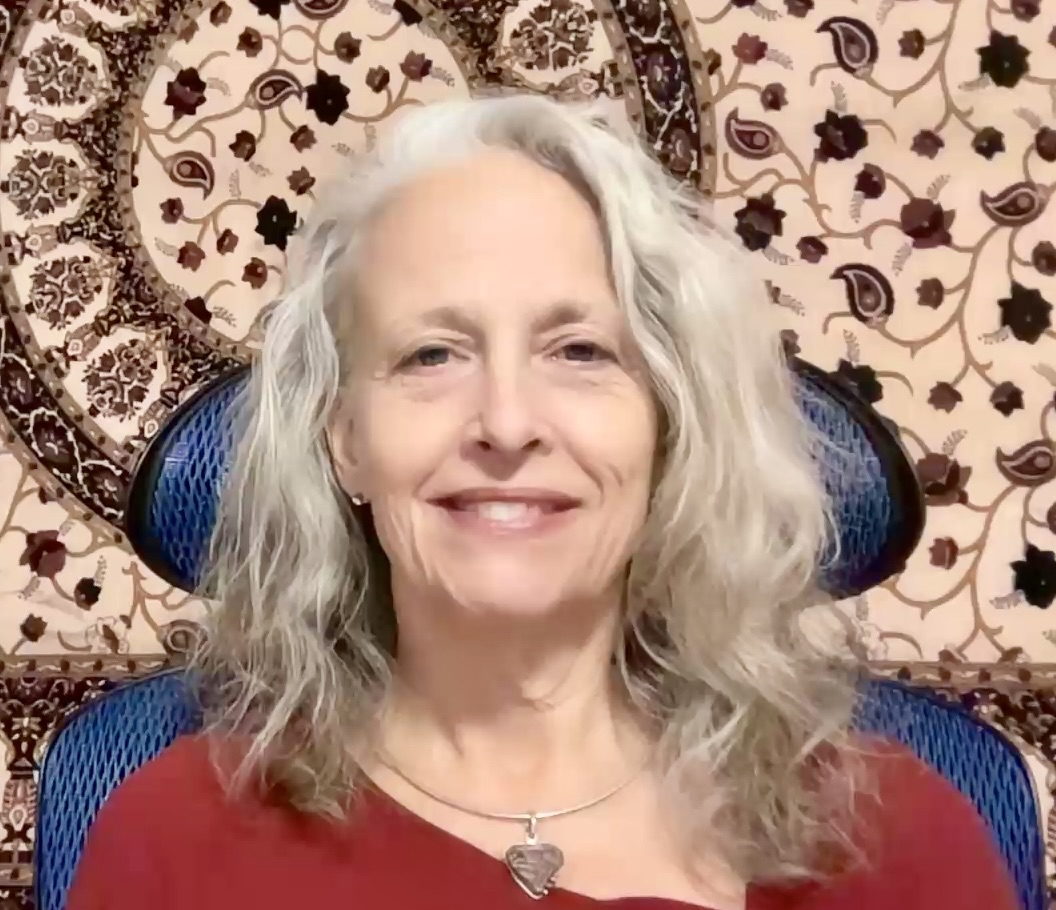
Author/Certified Divorce Couch/Transformative Guide
Kristen Crabtree helps people who’ve spent decades being steady, dependable, and invisible rediscover who they are — and remember that it’s not too late to feel alive again.
She’s the author of Be the You That’s More You Than You’ve Ever Been and the creator of Paramour Paradox, a self-recovery ecosystem born from lived experience, not theory. After 52 years of forgetting who she was — including 22 years in a psychologically abusive marriage — Kristen began rebuilding her life by remembering her truth, one layer at a time.
Her book invites readers to do the same through a five-part framework that bridges science, philosophy, and metaphysics in plain language. Each of the four core sections explores a different “body” — Mental, Emotional, Physical, and Spiritual — and includes three chapters:
• The Archaeologist — where readers learn the theory, research, and philosophy that qualify them to begin their own excavation.
• The Excavation — filled with hundreds of interview-style questions and 20–30 exercises per section to help them uncover the artifacts of their own truth.
• The Webs — a sliding-doors story illustrating how small, aligned shifts ripple outward through a life.
The final Integration section offers a radical alternative to traditional goal-setting. Instead of chasing “someday” through SMART goals, Kristen helps readers understand time and consciousness as fluid — showing how alignment with the True Self can collapse timelines and make transformation immediate.