



Riding Across American Life Lessons from a Tandem Bike Journey (feat. Teri M Brown)




What happens when you follow curiosity — on the road and on the page?
In this episode of Travel Time Stories with Shannon, Shannon and Ann sit down with author Teri M. Brown to talk about adventure, storytelling, and the courage it takes to dream big — even when the road is long.
Born in Athens, Greece as an Air Force brat and now calling the North Carolina coast home, Teri has lived a life shaped by movement and curiosity. In 2020, she and her husband rode a tandem bicycle across the United States from Astoria, Oregon to Washington, DC, raising money for Toys for Tots — an experience that became the inspiration for her book 10 Little Rules for a Double-Butted Adventure.
In this conversation, we explore:
🚲 What a cross-country tandem bike ride teaches you about trust and partnership
📚 How travel influences storytelling and historical fiction
🌍 Writing daring women across time — from WWII to Appalachia
✨ Turning life experiences into meaningful stories
💛 Giving yourself permission to keep evolving and dreaming big
We also talk about Teri’s latest children’s book, Little Lola and Her Big Dream, and why it’s so important to encourage big dreams — at every age.
If you love thoughtful travel stories, creative journeys, and conversations that remind you it’s never too late to begin again, this episode is for you.
🎧 Available on podcast apps and YouTube
📖 Learn more about Teri and her books: www.terimbrown.com
I would love for listeners to buy 10 Little Rules for a Double-Butted Adventure, Daughters of Green Mountain Gap, An Enemy Like Me, Sunflowers Beneath the Snow, Feisty Deeds: Historical Fictions of Daring Women, and Little Lola and Her Big Dream as well as sign up for my newsletter where they will receive the list of "10 Historical Fiction You've Never Heard of That Will Bring You to Tears." In addition to going to my website, they can also purchase the books on Amazon.
✨ Grab your favorite beverage and travel this story with us.
#healingjourney #authors #traveltimestorieswithshannon #travelpodcast #tandembike #bicycletouring #newpodcastepisode #tunein #podcast #publishedauthor #terimbrownauthor #podmatch
Shannon (00:01.828)
Welcome back to Travel Time Stories with Shannon. Real journeys meet real stories and real healing happens one conversation at a time. I'm your host Shannon, coming to you from the Lone Star State of Texas. Some weeks I open up and share pieces of my own life story from travel adventures to the winding road of healing and personal growth. Other weeks I'm joined by my best friend and co-host Ann from the Show Me State of Missouri,
as we sit down with special guests who share their experiences, insights, and expertise to help all of us along our own journeys. Today, Ann is here with me. Hey, Ann.
Ann (00:42.791)
Hey guys.
Shannon (00:44.676)
and we are excited for our guest. She is someone whose life beautifully blends travel, courage, creativity, and storytelling. Teri Brown was born in Athens, Greece as an Air Force brat. Someone else who's a military baby daughter, I can relate, so I know how that is. But she now calls, right, exactly, both military families. And Teri now calls the North Carolina Coast home.
Ann (01:05.212)
Yep, same here.
Shannon (01:14.458)
and has lived a life shaped by movement, curiosity, and deep listening. In 2020, she and her husband rode a tandem bicycle across the United States. Yes, everyone, across the United States, raising money for Toys for Tots along the way. She's also the author of multiple novels spanning historical fiction, generational stories, and children's literature.
all rooted in resilience, hope, and daring women. Welcome, Teri Brown, to the show. Thank you for being here.
Teri M Brown (01:52.898)
Thank you so much for having me. I'm so excited. And when people give that little, you know, they do like a bio of me, think, gosh, who is that woman? I guess that's me. That's, I don't feel all that special, but yeah.
Shannon (01:59.978)
Hahaha!
Ann (02:00.319)
you
Shannon (02:10.182)
Well, we're all special.
Ann (02:10.611)
love it. Yes, we are. So as we say on travel time stories, everybody grab your favorite beverage and let's get into it. Teri, you were born in Greece as an Air Force brat, which already sounds like the beginning of a story in itself. How did growing up that way shape your sense of home, identity, and curiosity about the world?
Teri M Brown (02:12.718)
Yes.
Teri M Brown (02:37.688)
You know, I think for me, one of the coolest things was that I'd be in a group of kids and everybody is trying to outdo the other one in terms of, you know, well, I did this and I've done that. And I always got to say, I was born in Athens, Greece. And it kind of stopped the conversation.
It just stopped. was like, you know, and I loved being special. There was something about being able to say, you and not only that, I was born actually in a Greek hospital because my dad was in a joint Air Force base that had a little tiny clinic, but it did not have a hospital. And so my mom...
Ann (02:57.438)
Yeah.
Shannon (02:58.706)
yeah.
Teri M Brown (03:19.982)
20 miles from the hospital, gets on a train. She's 20 years old. She doesn't speak any Greek. She's headed to the labor hospital to have me. You know, it's just, I don't know, there was something cool in my mind knowing that I was different, that I got to be so special. Kind of wore off by the time, you know, I was an adult. It was like, yeah, I was born in Athens, Greece. And it's funny because people still go, really? And it's like, yeah, yeah. It doesn't, I don't know. It doesn't seem as special now, but boy,
kid it did and I think I think for me it's always just been you you asked about like home home home isn't about a family house you know I have a lot of friends that I asked someone just the other I asked someone just the other day about you know well how do you feel about going home and I meant like going back to where they currently were and they were like I don't really have a home because my mom sold the family home you know 15 years ago and it was like that's not what I meant at all
Ann (03:51.391)
Ha
Shannon (04:03.064)
Exactly.
Ann (04:19.901)
Yeah.
Teri M Brown (04:20.172)
Like, I don't have a family home to go back to and my kids don't, because even though we weren't in the military, I moved around quite a bit and there isn't a home. And to me, home is where are you? And have you brought along your love, a couple of those things that show that you care about others and the special, and then it's the traditions.
Shannon (04:33.222)
Mm-hmm.
Teri M Brown (04:46.274)
that bring in, the things, it's the things that you do in the four walls. And so for me, it's wherever those things can be, then that's, that's home.
Shannon (04:55.386)
I totally agree with that. I've always said that.
Ann (04:56.691)
Yeah, I do too.
Teri M Brown (04:58.764)
Yeah. It isn't even just where you hang your hat. You know, some people are more like, yeah, that's wherever you hang your hat. I don't think that, but it's where you can create space to have love and memories and, you know, family and all of those things that matter. And that space is home.
Ann (05:19.091)
Yes, I agree with that completely.
Shannon (05:22.31)
Yeah, I do too. As someone who's moved around and doesn't have a quote unquote family home either, yeah, I feel the same way.
Teri M Brown (05:28.64)
Yes. Right. Right. Right.
Ann (05:29.843)
Yep. Me too. Military brat, you know.
Shannon (05:36.376)
Exactly. So Teri, we have to talk about the tandem bike ride. Riding across the United States is incredible in itself, but then doing it together on one bicycle feels like a whole other layer. And from reading your book, I know it definitely was a whole other layer.
Teri M Brown (05:43.522)
Of course we do. Of course we do.
Teri M Brown (06:00.398)
Yeah, yeah, so, yeah, so it was just a crazy adventure. You know, a lot of people don't understand a tandem bicycle is, you know, a two seater bicycle, you know, like the song bicycle built for two. And I rode on the back, which put my husband on the front with the handlebars that actually steered.
So I had to give up a lot of control to someone else and I had you have to have a lot of trust to do that kind of ride. And you have to work together every single moment of the day. You're never not doing something together. It's not like you just hop on this bike and off you go. You have to get on it.
Shannon (06:29.03)
Mm-hmm.
Teri M Brown (06:42.894)
in a certain way in a certain order so you don't knock the whole bicycle over. You have to start in a certain way, you have to stop in a certain way, you determine how fast you're going and you have to gauge that for both people so that everyone's comfortable on the ride. It takes a lot of togetherness and so I always say we had 3,102 miles of togetherness.
Shannon (07:06.224)
cannot even imagine that. The number of times that I want to kill my husband. There's no way.
Ann (07:13.395)
Amen. Yeah. No, no.
Teri M Brown (07:15.192)
Well, you know, it's, it's funny because they're often called divorce machines or divorce sickles because the truth is, is you do have to work together and someone does have to relinquish control. And that's very hard, especially if you have two people who really like control. And it's interesting because I very much like to be in control. And yet somehow
Ann (07:28.798)
Yes.
Teri M Brown (07:36.45)
I think it's because Bruce has been a cyclist his whole life and I had not been. When we decided that this was the big journey we were going to go on, I had not been on a bicycle in 40 years. So this wasn't Teri doing Teri. This was way outside of my comfort zone and I trusted that he knew what he was doing.
Shannon (07:47.9)
Goodness.
Teri M Brown (07:55.758)
And so it was kind of, I shouldn't say easy because there were times where I was definitely terrified on the back of the bike because to me it didn't feel safe. He kept telling me it was safe and it didn't feel that way to me. But it was easier for me to let him be the front than it was to teach me what to do up there. Right? And I knew and trusted him enough to know that he is always a safe person. He isn't reckless. He isn't going to do something that
Ann (08:13.727)
Yeah.
Teri M Brown (08:25.934)
purposefully puts either he or I at risk. And because I knew that I was able to give him the control most of the time, every now and then. In fact, anytime that we got into a little tiff at all, it was usually me trying to wrestle back some form of control. Like, you know, I don't know where we are, you need to, you know, that kind of thing. I don't like being, I really don't like being lost. I do not like being lost. And he doesn't have a problem with it.
And so he would say, I mean, we're, sure we're going in the general direction. And it was like, not a good answer for me, that kind of thing. But generally speaking, I think we, we did pretty good with it. It was hard. There were times where there was one hill and it was, think day one or two. So early, early in the ride. And I live on the coast of North Carolina. It's flat here. Flat.
Ann (09:13.993)
Mm-hmm.
Shannon (09:14.672)
Mm-hmm.
Teri M Brown (09:15.766)
And so we did a little bit of hill training, not a lot. There's not a lot of ways to do hill training. And we were going over the
coastal range in Oregon. I mean, we that's where we started. You go over mountains on day one and it was raining and I don't really like riding in the rain. I have this feeling like the bicycle is going to slip out of control and we were going down and when you go down on a tandem, you're going pretty fast because there's the weight of two people and the weight of the bicycle and we had a trailer and whoosh down we were going and that particular downhill, Bruce got a cramp up in his
thigh like right around his hip so he kept he kept the pedals going around trying to like work that cramp out
Shannon (09:56.206)
my gosh.
Teri M Brown (10:02.382)
Well, normally when we went down the hills, he would level those pedals and it would give my feet something solid to sit on, which made me feel more secure. So instead the pedals are just kind of flopping around in circles and we're flying down this wet hill and we get to the bottom and he said, what is the matter with you? mean, obviously I was not doing well. I was probably breathing terribly and I, you know, and I said, we were careening down that hill.
And he said, we were never careening. And I said, you were not careening. I was careening down that hill. So yeah, there was...
Shannon (10:37.116)
Yeah.
Ann (10:40.191)
That sounds so familiar.
Shannon (10:41.989)
Yeah, exactly. That sounds like I could see me being the one doing that.
Teri M Brown (10:47.884)
Yeah, yeah, and it just, but you know what's interesting is he was very good about it because I think he recognized how hard it would be to sit back there and feel like you're careening, right? And he said to me, in the future, tell me how you're feeling and I will see what I can do to fix it. And it was like, well, I mean, that would make sense, wouldn't it? Instead of sitting back here going,
Ann (10:48.681)
Yeah, me.
Shannon (10:59.473)
Yeah.
Ann (11:10.729)
Okay.
Teri M Brown (11:14.348)
you know, I could actually say I'm feeling a little, you know, some kind of way back here and then he could do something that and really, I think it wouldn't have been as bad if he hadn't had that leg cramp. But those pedals go and flopping around because there was there was no tension on them because we were going too fast. And they just I don't know, it just there was something about that flopping and the water spraying and we're flying and I yeah, I was I was a wreck. Yeah.
Ann (11:29.071)
yeah.
Shannon (11:31.237)
Yeah.
Shannon (11:42.554)
And for that to happen, right? And for, yeah, right at the beginning for that to happen, my God, I can imagine in my mind what I'd be thinking. Okay, yeah, I'm done. Peace out.
Ann (11:42.602)
I would have been too.
Teri M Brown (11:45.228)
Early on, early on. Yeah.
Ann (11:53.938)
Come on, this is it.
Teri M Brown (11:54.025)
Yeah.
There were quite a few times where I thought to myself, I think we may be a bitten off more than we can chew. Like this is hard. I did a lot of crying. I wrote a blog and I kept the blog the whole way across the United States and every entry and they're very detailed. So for someone who wants to know the ins and outs of every day,
Ann (12:08.157)
yeah.
Teri M Brown (12:19.502)
I mean, it's still on my website. Everyone's welcome to go to it and read it. It's too boring to turn into a book because it tells things like exactly how many miles we rode, how well we slept the night before, how was the bike performing, how, you know, it was all of the every things. But the number of times that you read, and I cried today because that...
It was just hard. It was a very, especially for someone like me, that I like things, I like to know what I'm doing, I like to have a list. None of that works when you're riding a bicycle across the United States. You have no idea what the day's gonna hold. You just have to do the day.
You have to relinquish control to someone else. You're doing something physically that is outside of your normal. I was also healing from an abusive relationship and so I had a lot of anxiety and other junk inside of me that just like reared its ugly head at any given moment. And I had all of that while on the back of this bicycle. So.
Ann (13:18.205)
Gosh.
Shannon (13:19.216)
cannot imagine that. So this journey that y'all went on.
know from reading the book, but for people who have not read the book, who had the idea of this journey? How did it come about?
Teri M Brown (13:36.682)
Right, right. So you know what's what's crazy is we both had an idea for a journey. He had the idea for this journey. So I had gotten out of this really bad relationship at 14 years emotionally abusive. I'm now out of that. I never ever intended to be married again because that had been my second marriage, second failed marriage, and I was just done. I said obviously I don't do this well. I don't pick well. I'm out. I met Bruce
totally by accident, we could do a six hour podcast just about meeting Bruce. But anyway, I met him and he just never really went away. In fact, he tells people that he chased me until I caught him.
So he just, he just kept being there. He just kept being there until I think I finally got used to him. But while we were doing something akin to dating and that wasn't even really dating for the longest time because I was, you know, it was like, okay, you're here and you're around and you're nice enough, but this isn't going anywhere. Just so you know, I mean, I was very, very sure we were, this wasn't going to happen. He mentioned that he'd always wished that he could have written across the United States on a bicycle. Well,
Shannon (14:20.86)
I like that.
Teri M Brown (14:50.734)
I had been wanting to do a big adventure, something big and bold because I felt like people didn't believe I had anything left. I was in my late fifties. I was divorced again. thought, I thought I'm nothing. I've done nothing. I am nothing. I just felt very, and I didn't believe in myself at all. There was no belief left in me. And I wanted to do something big and bold because I thought that I needed to prove to the world that I had value.
Now it turns out I needed to prove that to me, but I didn't know that at the time. And so I kind of had been considering maybe like walking the Appalachian Trail or doing something along that line, but that scared me to walk alone that far as a woman. just don't feel confident that I would be able to defend myself should I need to. And so, you know, I just kept going back and forth. And so when he brought that up, it was like, wait, like,
Shannon (15:36.07)
Yeah.
Teri M Brown (15:49.174)
Is that something you're going to talk about until the day you die or are going to do it? And he said, no, I want to do it. And I said, with no intention of marrying him, count me in. Because I figured.
Shannon (16:00.135)
You
Teri M Brown (16:01.166)
No, I figured this would be a cool adventure. I don't have to be married to him to go on this adventure, right? mean, who we can ride a bicycle together without being married. Turns out we did get married before we went on our adventure because like he said, he just stuck around until all of a sudden he was just, you know, part of my life and there we were. But I think originally his intention was is that we would ride separate bikes. But he has been a cyclist since he was like 12.
Ann (16:03.977)
Right.
Shannon (16:05.466)
Mm-hmm. Yeah.
Yeah.
Teri M Brown (16:31.116)
racing and distances and then there was me and I hadn't been on the bicycle since high school and there was no amount of training that was ever going to catch me up to his level which meant that we were either going to be very far apart all day long as he you know whipped up over hills and and I pushed up over hills or he was going to have to hold back so much it wasn't going to be fun for him.
Shannon (16:56.518)
Mm-hmm.
Teri M Brown (16:56.782)
And it wouldn't have been a good ride. I don't think that it would have been good at all. And he brought up, why don't we do it on a tandem? And the cool thing about a tandem is he can't go faster than me and I can't go slower than him. We have to work together. You can't push faster, you can't slow someone up. I you actually have to work together. And it was an amazing thing.
I tell people it was like 20 years of marriage and not in a bad way. Like in a, really learned, we learned how to handle disagreements. We learned I could gauge, I could look at him in the morning and know what kind of day we were going to have in terms of what kind of energy does he have and is he feeling discouraged today? Because on days that he was feeling discouraged, I needed to not be discouraged.
Shannon (17:46.182)
Mm hmm. Yeah.
Teri M Brown (17:46.882)
Right? And we did, we flopped back and forth. On the days that I'm crying on the side of the road, he's there as a rock. And on days where, you know, he's, you know, day three of the wind blowing in our face, when he looks up to the sky and says, what is going on? You know, I had to be the strong one because he's feeling like I can't make it. And it was like, yes, you can, we can do this. And so it was, it was like adding 20 years of marriage.
Ann (17:48.051)
Exactly.
Shannon (18:02.595)
You
Teri M Brown (18:14.958)
in a three month span because we were never more than three feet apart for three and a half months.
Ann (18:21.321)
Wow. So what was the hardest part? Physically, emotionally, or relationally?
Teri M Brown (18:30.144)
Relationally was the easiest part actually because we were very in sync with one another and I'm not saying we never had we had a couple of little arguments and things but generally speaking I feel like we handled that well figured it out quickly moved on Physically was very was very hard for me, but I think emotionally
for me in particular because I had a lot of baggage that I was dragging along with me that I had to kind of figure out. So at the beginning of the ride...
Shannon (18:59.045)
Yeah.
Teri M Brown (19:02.444)
I mean, I was still so unsure of myself that we would get to a campground and I couldn't go up and ask if they had any space for us because I was too afraid to go and approach someone. That's, you know, I look, I look now and I think, gosh, who was that woman? Like, I can't believe, but that's where I was. I was in this, I was just afraid. I was afraid of everything. And by the end, I was not, by the end I could have, I could have taken over and done anything I needed to do except fix the bicycle, which was just
Shannon (19:14.716)
Mm-hmm.
Teri M Brown (19:32.368)
something I never learned. yeah, so I think emotionally it was really hard, especially in the beginning, as I had four million doubts that would creep up all day long telling me I wasn't good enough, we were never gonna make it, and it would be all my fault. Yeah.
Shannon (19:49.777)
Yep.
can totally relate to that, Teri. That's what an emotionally abusive relationship does to a person. And people do not realize that unless you've actually gone through it. You cannot realize that. And I have gone through that. My relationship before I was married was with an emotionally abusive person who literally stripped me down to nothing. As you describe yourself, yeah.
Ann (19:52.314)
well.
Teri M Brown (19:58.328)
Yeah. Yeah.
Teri M Brown (20:15.63)
Yes, yes. And there was even a piece of me, I think, that knew it was happening, but I didn't know how to fix it. I also didn't want to be divorced again. See, I'd already been divorced once. And so I made this second choice that wasn't good for me. And I was pretty determined to stick with it. And so there was a piece of me that understood this shouldn't be happening. But after 14 years, you know,
Shannon (20:25.104)
Yeah, mm-hmm.
Teri M Brown (20:43.798)
You do so many things trying to keep the peace, trying to make sure that everything's okay, dodging, know, questioning, watching everybody's facial expressions, you know, all of the, all of the things that when you get out of that relationship, you're still stuck there. You know, I mean, I would go into the grocery store and I would stand there in front of the peanut butter and not know which one to buy.
Shannon (21:03.932)
Mm-hmm, exactly.
Shannon (21:11.064)
of when I read that part in the book, let me tell you, I laughed so hard and then I cried because I'm like, I was that person. I was that person. That was literally me. And now I know someone else out there that was the same way. I don't feel alone anymore.
Teri M Brown (21:13.965)
Yeah.
Teri M Brown (21:17.486)
You understood. Yeah. Yeah.
Teri M Brown (21:29.044)
No, and you know, I look back now, you know, because at this point, I feel like I'm not saying that there isn't ever time where swamp gas doesn't come up and you know, like come out of nowhere. But generally speaking, I feel very sure of myself. I feel okay. I still have anxiety that pops up, but I know where it's coming from. And I know how to deal with it and put it aside and all of those things. But I look back and I think, my gosh, what I wonder most is what did Bruce see?
that made him willing to take a chance on someone who was as flaky as I was at that moment. Because I look back, it's like that was one flaky chick. I wouldn't have gone near me. I was a mess. And he said that he always knew. He said, I could tell that you had so much, so much. And it was just a matter of giving you the space to heal and break out of whatever it was that was holding you back.
Shannon (22:07.231)
Yeah, right?
Shannon (22:23.494)
but that's what happens when you find a good man.
Ann (22:23.7)
Wow.
Teri M Brown (22:27.212)
Yeah, yeah.
Shannon (22:30.694)
Yep, exactly. That's wonderful. speaking, talking about the tandem bike and you've mentioned how, you know, it requires this trust communication because you you have to be working together constantly. Tell everybody about you briefly mentioned about, know, getting on and off the bicycle, how you have, you know, can't just get on and get off. It's describe that to everybody because when I read that in the book, I had
I knew like, I've had friends that were tandem bike riders. And so I kind of knew, you know, about you have to be in sync and all of that stuff. I did not realize the intricacy of just getting on and off the bicycle though, until I read it in your book. So tell everybody about that.
Ann (23:14.984)
No.
Teri M Brown (23:17.26)
Right. So you can't just both go hop on the bike.
Ann (23:19.177)
I didn't either.
Teri M Brown (23:25.294)
I mean, think about it. Think about just getting on a bicycle normally. You know, normally tilt the bike to one side, you kind of throw one leg over, you adjust yourself, get your feet going, get your feet right, you go. Well, you got to do that times too. And you both can't be doing things opposite of one another where one's pulling the bike one way and one's pulling the other. So Bruce would throw his leg over the bicycle, but not sit on the seat. And he'd have his feet planted on the ground and his hands planted on the handlebar.
Then I would put my left foot onto the pedal throw my tell him I'm going over So that he knew because it's gonna you know, you're gonna feel me get on there It's not like I weigh 11 pounds, you know It's like I'm coming on this bicycle and he would hold the bicycle still as I threw my leg over and got myself settled Then we would move the pedal so that it's kind of at you know level and he would put we would lean a little to the right
Ann (24:06.248)
Right.
Teri M Brown (24:24.384)
and he'd put his left foot on the pedal. And then he would adjust his fanny so he's so we're now both left feet on the pedal, right feet on the ground. I would bring my right foot up and he would say one, two, three, and we would start to pedal. And then once we had pedaled a few pedals and we're now like definitely coasting so the bicycle isn't going to fall over, we have these toe straps.
Ann (24:41.823)
wow.
Teri M Brown (24:52.194)
that our feet aren't really clipped in, but there you put these toe straps just to keep your feet from like flying off. Well, you have to flip the pedal around now and get that toe strap over. So we would then do one side and then a couple of strokes and then the other side. And now we're ready to go.
Ann (25:08.595)
Wow.
Teri M Brown (25:09.75)
And stopping was of a similar kind of nature, you know, where you would stop and you both knew that the right foot would go down and then he would come off the bicycle and then I would tell him I'm ready to get off and I would throw my leg over and get off and then he would get, you know, it had to be that way. And so we had practiced that so many times that it didn't seem unusual by the time we were actually going on the trip. But prior to that,
I mean, the first time I ever got on a tandem bicycle, it is amazing to me Bruce ever got on one with me again. I mean, didn't know what I was doing. I had no idea what I was doing. It's, you know.
Shannon (25:44.252)
You
Shannon (25:51.834)
Yeah. But that having to do that really taught y'all communication.
Ann (25:59.561)
Yes.
Teri M Brown (25:59.744)
It did. It did. We had to... I had to be willing and this was hard for me because I do not like looking weak and I had been in a relationship in which I looked weak and I didn't want that again. I don't like being what I perceive as wrong in any way. It's very difficult for me to admit that I've done something wrong.
and to me having to stop before he's ready seems wrong, know, all of those things. I had to be able to say to him, I'm not having a great day today and I'm going to need a rest now. Like I know we're not scheduled for another 10 minutes, but I'm ready now. Or I'm very uncomfortable in my seat right now. I'm gonna have to do some adjusting.
can we have, we called them butt breaks and you leveled the pedals and it allowed me, I could then stand up and coast for a minute and adjust, you know, but he had to be ready for that because he can't have me standing up back there if he doesn't know that it's going to happen. But I had to be willing to tell him things aren't good for me at the moment and here's what I need and that was hard for me to learn to do.
Ann (26:55.507)
Right. Right. Right.
Shannon (26:56.444)
Mm-hmm, yeah.
Teri M Brown (27:13.334)
because I didn't want to appear like the one that wasn't going to, that was going to keep us from succeeding. That was the weak link in all of this. And so it was really hard for me to say things like, you know, I'm not doing well. We need a break. There was one time in particular, we were in Montana. We had...
We were almost to our stopping place. And I think that's why I did not say anything. And I was done. I'm talking done. I was so exhausted. I don't think I had eaten well for lunch. We were staying with my aunt and uncle who live in Montana. I was really excited to get there. I think I was just, was not focused on the day. I was focused ahead.
We're going up this last hill and all of a sudden Bruce says, Teri, is everything okay? Are you done? And I just burst into tears. Yes, I'm done. And he stopped and we got off the bike and pushed for a little way. And he said, why didn't you tell me? I was like, I don't know. I don't know.
we eventually did get back on the bike. Like we got up that little hill from that point on, it was a little easier. We made it. I was fine. I should have said to him a full 10 minutes earlier than that. I am really not doing well today. Can we stop? I probably need a snack and some water and you know, but it was so hard for me to admit that I'm not, it felt like I was saying I'm not capable.
And really all I was saying is, is I'm human and today's a tough day and I need some space and can, can I get some food? Like if I don't get some food soon, some fuel, we're not going to go anywhere. And he realized it cause he's up there and he could tell I'm not, I'm not doing as well. You know, it takes both of us to be pushing up a hill and all of a sudden he's feeling like, I don't know. I think maybe I'm doing this by myself, you know?
Shannon (29:10.939)
Yeah.
Teri M Brown (29:20.522)
So, yeah.
Ann (29:22.431)
Were there moments where you absolutely thought, my gosh, what did we get ourselves into?
Teri M Brown (29:28.97)
yeah, yeah, absolutely. So definitely on day one, at the end of day one, I thought, we have bitten off more than we can chew. my God, this is so much harder than I, even through all of our practice rides, it was like, this is day one of how many days? Like, my gosh.
That was one, but it was kind of fleeting. I still had a lot of reserve that I could dig down into. But there was a day in Montana, and it was so bad.
We had to go 70 miles. There was no choice that where we had stayed the night before and where the next possible place to stay was 70 miles. So there was no choice. Most of the time we had choices and we would make decisions, but this day this is where we have to go. It was hot, very hot. There were no trees. We were in eastern Montana again, still forever. That eastern Montana goes on forever.
Ann (30:30.473)
Mm-hmm.
Teri M Brown (30:31.914)
we had we went through a valley that had mosquitoes that were the size of small vehicles and I think that they I think they ate bug spray for breakfast. I mean they just they were everywhere and so we get through that no sooner do we get through that than we have a flat tire and it's on the back which means you have to almost unload the whole bike. Bruce fixes it we go another eight miles have another flat tire.
Shannon (30:38.773)
my gosh.
Teri M Brown (31:01.396)
In that 70 mile day, we had three flat tires in the rear. We used up all of our tubes, all of our patches. I mean, it was horrible. The wind was blowing in our face instead of behind us. It was horrible. And we got into the city limits.
and had not found a hotel yet, but we were now in the city limits. Like we passed the sign and Bruce says we're stopping and so we stop and I say what's going on and he said I can't move and he's leaned over, he's got his head down on his handlebar and I thought my god we stopped two more times in the next mile. Like we would say we're going to make it to that pole.
and we'd get to that pole and then we came up to the first motel and that's a kind thing to call it. It was smoking rooms only. It was horrible. was, it was, it's more, it was more like an otel without the even. It was just, it was really a sad space, but it had a bed and had running water and across the street was this little restaurant called Flip Burger. And so they had burgers and fries and ice cream.
Shannon (31:54.396)
You
Ann (32:15.967)
Yeah.
Teri M Brown (32:16.684)
And it was like, yeah, this is where we're staying. Well, I kept a blog every night. And in my blog, before we went over and got ice cream, I wrote, I think we're done. I'm not having any fun anymore. This is not fun. I think we're done. And I had a friend reach out and her, what she told me made one of the rules in my book, 10 Little Rules for a Double-Buddied Adventure. And she said, Teri, what you've done so far is amazing.
Ann (32:30.335)
No.
Shannon (32:40.177)
Mm-hmm.
Teri M Brown (32:45.74)
And if you quit today, you have nothing to hang your head over. You've gone a thousand miles. You've taken a tandem bicycle over the Rockies. Everyone else is home dealing with COVID and you're out in the world like you have nothing to hang your head over. However, I'm going to give you a piece of advice. Never quit on a bad day because you'll always wonder if you could have kept going.
Shannon (33:10.342)
Mm-hmm.
Teri M Brown (33:10.656)
So maybe tomorrow you should take it easy or maybe, you know, maybe have a complete rest day. Of course we didn't want to rest there because the motel was so gross, but you know, like think of something else and wait a couple of days. And if you still feel like this really isn't what we want to do anymore, then by all means come go on home.
Ann (33:10.783)
Yeah.
Ann (33:31.517)
Right.
Teri M Brown (33:32.142)
Well, the next day was an amazing day. We flew to our next spot. We had a storm coming up behind us. The wind was so strong that I could have opened my shirt and been like a sail and just sailed us in. We were going so fast that we got faster than we could pedal. We were coasting at times and we made it to our next place by 10:15 in the morning. We stopped and had second breakfast.
Ann (33:44.297)
Wow.
Shannon (33:44.382)
wow.
Shannon (33:50.937)
my goodness.
Ann (33:50.995)
Wow.
Teri M Brown (34:01.6)
So we had this huge breakfast and then I called the hotel that we were staying in that night. We often stayed in campgrounds but in this particular area we didn't have any choice and so I called the motel we were supposed to be staying at and I just said is there any way we can get in early? They said yeah not a problem. So by noon we were asleep and we slept all afternoon and got up
Shannon (34:22.608)
Nice.
Teri M Brown (34:24.876)
went and ate, went back to bed. We were probably back in bed by 7 p.m. Slept until, you know, about 5:30-6 o'clock in the morning. And now we're rested. We feel good. We've just had a great day. And yeah, we had other hard days. It wasn't that we didn't. But from that point on, it was like when something really bad happened, I would remind myself, OK, this is just a bad day.
It doesn't have to be the whole event and let's just see where it goes from there. And that rule has helped me so many times. I have used that rule in just life so many times where it's like, we don't quit on a bad day. This is just a bad day. Well, because really when, when things aren't going well, when you're hungry, when you're tired, when you're just emotionally fraught, you, you can't be logical. You cannot make good decisions. You know, you're making decisions from a bad space. So,
Ann (35:01.439)
That's a great rule.
Ann (35:12.221)
No. No.
Shannon (35:13.04)
No.
Shannon (35:17.541)
Mm-hmm.
Teri M Brown (35:18.042)
Step back. I do not tell people don't quit. Sometimes quitting is exactly what you need to do. know, like getting out of that really bad relationship I was in, I needed to quit that. But you need to do it where you know that you're in charge. It wasn't an emotional, you know, like you shouldn't quit a job on the day that you and your boss had an argument. Maybe you need to quit your job, but it's probably better to go home and think things through.
Shannon (35:23.398)
Mm-hmm.
Teri M Brown (35:43.384)
come up with a plan of action, make a decision like what really is going to work for me? this normal for this job? Was this just some, you know, aberration? Like what, and then you can make really good decisions, but in the heat of the moment, and so yeah, that is one of my, like that is my go-to rule now. I actually, my daughter said she's gonna get me a t-shirt that says, you know, never quit on a bad day, so.
Ann (36:09.545)
I love it. So with all of that said.
Didn't you have moments where you thought as you're flying down the road on that bike with the wind in your hair and.
this is exactly where I'm supposed to be.
Teri M Brown (36:24.015)
yeah, and there were some times, let me tell you, there was one.
Everything happened in Montana if you want to know we were in Montana it felt like forever But there was there was one time in Montana and it was a it was a difficult end of the day We always seem to have to go uphill at the end of the day I do not know why that is a true statement but I swear to you every day we ended going up and It had been kind of a long day and we were going up and at this point in the day I wasn't really taking in my surroundings anymore I was looking down and I was I had kind of gotten into almost like a meditative kind of thing where I was just you
Shannon (36:31.324)
Yeah
Ann (36:31.413)
Hehehehehe
Ann (36:41.375)
you
Teri M Brown (36:58.416)
know push push push push and I just had this rhythm going in my head and I was we were I think we had like three miles to go and it was like just get this done right and all of a sudden Bruce said Teri look and I looked up and we were going by this this field of horses and they were running with us
Ann (37:21.203)
wow.
Shannon (37:21.308)
Wow.
Teri M Brown (37:22.294)
And their, their manes were their tails and they got up to the top where their fence cut them off. And the stallion came forward and he, he'd kind of like blew through his nose and like shook his mane and it was just like, and then over the crest we go. And it was like, my God, we couldn't have paid for that. Like we, right? I mean, that was
Shannon (37:43.324)
That's incredible. Yeah.
Ann (37:43.337)
What an experience. Yes. Wow.
Teri M Brown (37:47.584)
And do I have any pictures? No, of course not, because I was going, would you look at that? mean, it was just, you know, but it was it was unbelievable. And then
Shannon (37:51.152)
Hahaha!
Ann (37:51.443)
It was right.
Teri M Brown (37:58.786)
you know, Montana is called big sky country because you can see the stars in ways that you cannot here on the East Coast. And it was, I don't know, the middle of the night and Bruce, he, he always said he had old soldiers disease, which many had to get up and pee a lot. And so he had gotten up in the night, we were in a tent and he said, Teri, come out here. You've got to see this. And I'm thinking, I'm warm, I'm tired, but you know, out I come, it's two o'clock in the morning, out I come in the tent.
Shannon (38:01.308)
Mm-hmm.
Ann (38:24.701)
went to.
Teri M Brown (38:28.958)
And the Milky Way, I've never seen it like that ever. And I could have scooped it out of the sky into my arms. And the comet, Neo-Wise, was in the sky. And the tail looked to be several feet long from the ground. And I'm watching it go across the sky. And it was like, my god.
Ann (38:52.637)
Magic.
Shannon (38:53.253)
Wow.
Teri M Brown (38:53.738)
magic. And there was another time in Michigan where the road was perfect. It was, there were hills but they weren't
They were subtle hills. And so it was a very rolling up and down and up and down. And when you get going on a tandem, that is the perfect, it's perfect because you almost rolled to the top without having to push too hard. Toward the end, you're pedaling and then whoosh down you go again. And I was on the back and I started to laugh and I put my arms out and I said, I feel like I'm flying. Like I could have done that.
all day every day for the rest of my life. So yeah, were definitely, there were times where I cried and there were other times where I just was in awe of the beauty that I saw.
Shannon (39:44.048)
Yeah, that's incredible. Yeah, I can't imagine that. I would love to have experience like that, but do I really wanna ride a bicycle across the country? No!
Ann (39:44.511)
Amazing.
Teri M Brown (39:53.314)
Yeah, it's Well, you know, that's that's something that's funny is people have said to me I could never ride across the united states and that and the truth is is yes you could because if I can do it you could that the Question is is do you want to? Because if you don't want to anything will stop you We had a million things that could have stopped us from going across the united states a million maybe more and
Ann (40:00.834)
Ha ha ha ha.
Shannon (40:11.194)
Yeah, right.
Shannon (40:15.214)
Exactly.
Teri M Brown (40:22.86)
You know, if you don't want it, something like the sun came up this morning and I wasn't ready for that could stop you from ever going forward. I mean, I know how it is. I don't like going to a gym. And I tell myself all the time, I'm going to start going to the gym. And do I go? No, I do not. Why don't I go? Well.
Ann (40:38.888)
Yeah.
Teri M Brown (40:40.75)
You know, it's too early, it's too late, it's too hot, it's too cold. Like I have a million reasons why I never make it there. And that would be the same if you didn't want to ride across the United States on a tandem. But if you wanted to, if you decided this is something that you want, yes, you can do it because you'll find a way around anything that stops you, but you have to want it.
Shannon (41:04.368)
Yeah, exactly. So your book, 10 Little Rules for a Double-Buddied Adventure, love the name. So out of that experience that you had, how did it change your perspective on life?
Ann (41:04.607)
That's true.
Ann (41:11.421)
Yes.
Teri M Brown (41:12.056)
Thanks.
Teri M Brown (41:22.036)
It is, you know how you have those turning point moments in your life that you can go back to and point to like, you know, the birth of my first child and those kinds of things. This is one of those.
We're finishing up the ride. It's the last day. It's in October. We started in June. You know, we're coming. I know we're at the end. I'm both happy and oddly sad that we're done. Like, I'm ecstatic that we're done. And also, like, what are we going to do now? Like, what are we going to do with ourselves? Like, I don't even know. I don't even know what life looks like at this point. And we're coming up a hill because you always end on a hill.
And Bruce says, do you see that flag? And I said, yes. He said, that's where we're stopping. So we stopped at the Marine Corps Memorial. My husband had been a Marine for 25 years and we were raising money for Toys for Tots. So it seemed like the perfect place to stop. And I started to laugh and cry at the same time. I was a complete emotional wreck. And then I had this epiphany. I can do anything I put my mind to.
It's not a matter of can I do it, it's a matter of what do I want. And so I asked myself, what do you want? And I said, I want to be an author. It's what I had wanted for some time and I was too afraid to put my work in front of people to let anyone see what I was doing. And so 14 months later, I had my first book came out.
Shannon (42:52.668)
That's incredible. Congratulations on that. That's incredible.
Ann (42:52.722)
Impressive.
Teri M Brown (42:54.112)
So yeah, so it really changed, it changed the way I look at things. And when I find myself stuck and I still get stuck and I still get scared and I still get crazy in my head, I can stop and say, wait a minute, you rode across the United States on a bicycle. If this is something you want, you can do it. Now, what's the step you need to take to get started?
You know, like, don't get caught up in that old thing. And it still comes up. You know, I would love to say that it was all gone. It's not, it still comes up. But at least now I know what to do with it. You know, I look at it and I say, I know what you are and you don't live here anymore. You know, and I can move forward. But yeah, it was life changing. Now, a question I get asked all the time is, is would you do it again? And the answer is no.
No, I have zero need to prove it. I already did. It did for me what I needed it to do. And I learned what I needed to learn. And I have zero need to do it twice to prove anything to anyone. know I would never do it. I'm so glad I did it the time I did it. But I don't need to do it twice to prove anything to anyone. So.
Ann (44:21.321)
Don't blame you actually, Teri.
Teri M Brown (44:22.254)
You
Shannon (44:23.674)
Right?
Ann (44:25.353)
So what lesson surprised you the most once you were on the other side of that journey looking back?
Teri M Brown (44:32.748)
So you know, it's crazy. I had the hardest time when we finished.
Believing that we had actually ridden across the United States because you don't ride from Astoria, Oregon to Washington DC you ride the given day that you're riding and Then you put that day away and then you ride another day You don't look at tomorrow and you don't look at yesterday you ride whatever day that you're riding and then Somehow those all add up and there you are in a whole new place So it was very hard for me to reconcile all these one-day rides and turn them into this
but it's like I knew I did it. So I started going back and looking at my blog, reading this blog, trying to get a more daily feel for how this was, like see it as a whole picture instead of these individual time slots. And I started noticing rules. And I think the one that really caught my attention the most was enjoy the downhills. And the reason for this is that I...
we'd had to go up a lot those first several days, which was not something we were used to. And, but it wasn't just up once and then down the other side. That's not the way mountains are. People think, you know, like children, they think of the mountains, you know, up and down. That's not what it is. It's up and down and up and down and up and down and up and down and up and down and up and down and up and down. And it does that ad nauseam for days. And we would work so hard to get to the top of the hill and then we would fly down.
and then we would work really hard to get to the top of the hill and then we would fly down. Well, working hard up to the top is hard work and I really wasn't enjoying it. And as we were flying down, the easiest part, the part I should have been enjoying, what was I doing?
Teri M Brown (46:19.662)
Can't believe it. We're losing all this altitude now. We're have to climb again and I would complain and moan and just and Finally Bruce said to me Teri the road is what the road is There's no magic road fairy to straighten it out This is what the road is and it kind of hit me. Oh my gosh. I'm not even enjoying the easy part of the ride like I'm
Ann (46:22.631)
you
Shannon (46:43.216)
Mm-hmm.
Teri M Brown (46:44.34)
I'm so busy worrying about what's coming up next that I'm not even enjoying the part that is the most fun. You know, that doesn't require me to work that that allows me just to, know, woohoo, here we go. So I tried, know, I worked on changing my attitude and then I found
Shannon (46:57.808)
Yeah.
Teri M Brown (47:05.016)
then I started enjoying the uphills too because there were things that happened going slowly that you don't see going quickly. I would notice wildflowers on the side of the road and eagles nests and the way the moss was growing in the trees and you could feel the temperature change as you went across a stream.
You know, and things that you didn't, you'd never notice in a car and you don't notice when you're going 30 miles an hour down the hill on the other side. And so I eventually learned to just enjoy the moment that you were in. And I'm not good at that. And I wasn't always successful. There were definitely days that I complained and cried, but more and more and more I was able to accept what we were doing and enjoy.
Shannon (47:39.484)
Mm-hmm.
Teri M Brown (47:52.704)
Or at least if I wasn't enjoying it, at least not bemoan it. Just accept the fact that this is what we're doing and we signed up for this and this is what we're going to do.
Ann (47:57.331)
Right.
Shannon (47:57.636)
Yeah, right.
Shannon (48:03.526)
Yeah.
That's a good lesson. So you write across time periods, Ukraine, World War II, Appalachia, and your stories often center on strong, complex women. So what draws you to these settings and themes?
Ann (48:06.588)
it.
Teri M Brown (48:12.822)
I do.
Teri M Brown (48:26.968)
You know, characters are born in my head.
And that makes me sound crazy, but I will be sitting here and all of a sudden it's like I have voices and there's a character there. And as they as I get to know who this character is, they kind of dictate where they need to be. You know, I don't I don't say I am going to. I think I'm going to write a story about the Appalachian Mountains. That's not how it works. It's something happened. I was doing some research. I learned about something in the Appalachian Mountains. A character was born in my head and I realized.
this is going to make a cool story. And that's where I go. My most current work that's coming out in April is called Peg Unhinged. And it is a contemporary story. A contemporary woman, she's going through menopause and it's hysterical and it's just, and it's totally different than what I've written before, but the character was there and this is where she needed to be. So.
Ann (49:24.991)
That's awesome. So your novels feel deeply researched, but also very human. How do you balance that historical accuracy with actual emotional truth?
Teri M Brown (49:40.29)
I think that for me it comes down to character. I am not a historical fiction author or a women's fiction author or any of those things. I am a character driven fiction author. I worry about the characters and what they're feeling. And the truth is, is that a woman in 1890 who loses a best friend doesn't feel significantly different than you do.
or than I do, right? And so I tap into my feelings.
Shannon (50:08.604)
True, true.
Teri M Brown (50:13.74)
And I make sure that my characters are complex and that they're not perfect and that they make stupid decisions and that they have thought distortions and all of those things that we do to ourselves. And then I research the setting and the time period so that I make sure that what they're doing makes sense. You you can't have a woman in the 1890s whip out her cell phone. And so you have to make sure that how she's communicating with people in town
Shannon (50:38.775)
Hehehehe
Teri M Brown (50:43.664)
sense. So I think that what I do is I make sure that my research for the setting for that time period for for what she has to engage in is really strong so then I can just deal with this emotional character because her emotions yeah I mean they could be different than mine just like yours are different than mine but the human emotion we haven't changed that much as humans.
Shannon (51:12.314)
Right.
Teri M Brown (51:12.802)
You know, we've changed how we do life because, you know, we don't have to haul water and we don't, you know, we have wheel and, you know, fire and all of those things. So those things have changed how we do life. But in terms of how we feel, how we love, how we connect, I don't think that has really changed that much. And so that's what I tap into. I try to really tap into
Shannon (51:15.708)
Mm-hmm.
Teri M Brown (51:39.382)
And if I haven't experienced it, what have I experienced that's close? So like in Sunflowers Beneath the Snow, I have a woman who's very hungry, near starvation. I've never been that hungry, but I've been hungry. And then so I play the game, okay, you know what it feels like to be hungry. What would it feel like to be two days hungry? Okay, a week hungry, two weeks hungry. What would you do?
to not be hungry? What are you willing to do? You know, I ask those kind of questions and then I give that to my character. So I think that's why my character, I think that's why my books feel so human is because I really do work at the human aspect of it. In fact, I'm not real good at the setting part and I often have my editors say to me, we need a little more.
Shannon (52:15.76)
Got you.
Ann (52:16.713)
I like it.
Shannon (52:21.52)
Mm-hmm.
Shannon (52:33.05)
Hahaha
Teri M Brown (52:33.902)
It's like, okay, fine, fine. Does it matter? Does it matter? Fine. There were blue curtains. You know, like, I don't care. So I have more problem with the setting than I do with the actual character itself. I love diving into character. I love dialogue. I love getting inside a character's head and hearing their internal stuff going on. That to me is just the gold part.
Shannon (52:59.42)
That's amazing, I like that. So what do you hope readers walk away feeling after closing one of your books?
Ann (53:00.659)
Yes.
Teri M Brown (53:08.758)
I hope they have a little bit more empathy. I usually show people who are in distress in some way or another in situations that are
difficult that are hard in some way. Maybe it's, you know, I've put in racism, I've put in sexism, I've put in xenophobia, I put in the things that we experience today. I hope they walk away with maybe just a tad more empathy for someone who's different.
who sees life differently. It's one of the reasons I love writing from multiple perspectives is that I have the ability to let you see one thing from multiple points of view and you get to kind of choose where you are. Who's the character that speaks to you in this? And do you like that about yourself? And if the answer is no, then maybe what do you want to do about that?
in Daughters of Green Mountain Gap, have Maggie. She's one of these people who's just very, very open to other people's ideas and her daughter Carrie Anne is not. She is very stuck in her ways, my way or the highway. I know the right way. Everybody should follow me. And I can be a little Carrie Anne sometimes. And sometimes when that's happening, I'll remind myself, be Maggie. Be Maggie. You know, this is what she want. This is really what you want for yourself. You know that.
let's try to be more that way. So I hope that other people maybe do the same thing where they think, that's not really the way I want to be in life. Or even, I never thought about that before.
Shannon (54:48.87)
Yeah.
Ann (54:57.107)
Wow. So what inspired the story Daughters of Green Mountain Gap?
Teri M Brown (55:04.686)
I had a wart. I wish it was some great story, but I had a wart and it was on my thumb and I had gone to my regular doctor, my primary care, just for a checkup. And while I was there, I said, hey, while I'm here, I have this wart on my thumb. Can we just like freeze that off? And she said, no, no, it's on your hand. You'll have to see a specialist for that.
Well, I was very nonplussed by that. went to CVS, found a patch, burned it off myself. I was talking to my brother a couple of weeks later, and I said, we were talking about doctors and whatnot. I just said how I did not like the fact that primary care physicians don't do anything anymore. They take your temperature, and they take your blood pressure, and they send you to a specialist. It used to be that they did everything but active heart attacks, and now they do nothing.
And then I brought up the wart and my brother said, well, why didn't you get somebody to talk it off? I said, what are you talking about? He says, yeah, I got a buddy that talks off warts.
Well, I am the gullible person in my family. So they tell me these crazy stories and then I have to hear about it for the next 47 years. Remember that time when we told Teri? So I did not fall for it, right? I just went, But we get off the phone and then the research junkie part of Teri has to know what he was talking about. Like, is this even a thing or was he just pulling my leg? Turns out that there are people in the world who believe that they can talk to your wart.
mumble things at it and within the week it would just fall off. So I'm researching this going wow that's kind of interesting. Well in that research I found other things that people can do like blow in your mouth if you have thrush and they can blow and the thrush goes away. Like that makes no sense. They can talk to a baby who is breech and get the baby to flip without even like
Teri M Brown (57:11.124)
no manipulation, just their voice. There have been people who've been scalded like with boiling water and so you've got that horrible burn on your arm or whatever and there are people who can talk the burn out of your arm. Right? Well the next thing you know I am in the mountains of North Carolina with something called a granny woman which is a healer that uses roots and herbs and what I call a little bit of mountain magic and
Shannon (57:21.777)
Yeah.
Shannon (57:38.649)
Mm-hmm.
Teri M Brown (57:40.462)
Maggie was born in my head and whispered to me, I have a story to tell. And it was like, all righty, here we go. So yeah, it all came because I had a wart and my brother said something crazy to me.
Shannon (57:52.57)
That's amazing!
Teri M Brown (57:54.67)
I always wish that I had these like, incredible, intense, emotional, and it's like, no, I had a wart.
Shannon (58:08.508)
think that's better than having this big intense moment. I mean, the fact that this book came out of you having a wart
Teri M Brown (58:15.916)
The wart yeah. Well, and you know, so many of my stories come from a conversation that I had, a song that I heard that made me think, I wonder what would happen if, you know, huh, what would it have been like? My second story, my World War II story, An Enemy Like Me is loosely, loosely based on family. My grandfather fought in World War II. And the story is about a
a young man whose first generation German American and he goes to fight in the war. He thinks he'll fight the Japanese. He fights the Germans and he realizes he's more like the enemy than he is different from the enemy in terms of how he was raised and everything else.
That story came about because my grandfather, who were German heritage, but have been in the United States for 200 years at the point that he goes to fight in the war, he said to me, I was maybe 15, and he said, I always wondered if the person on the other side of my gun was a cousin.
Teri M Brown (59:17.206)
And that was one of those stick with me comments that I didn't think about every day, but when it came time to write, that came up. Like it just floated out of nowhere and it was like, and what would it have been like if he had been a first generation German American? You know, and that's where that story started. So was something my grandfather said and then me playing the, what would it have been like if.
Shannon (59:46.63)
Wow. And that happened so much during the American Revolution. There were families that fought against each other because, yeah, my mom and...
Teri M Brown (59:51.34)
Yes.
Yes, yes, and even in the civil war as well.
Ann (59:54.397)
Yes.
Shannon (59:59.417)
Mm-hmm.
Teri M Brown (59:59.426)
there were families that were very split as to which side of that war they wanted to be on. we can delve into what was right and what was wrong. the point is that these were families that were being split apart. And that happens in war. What was interesting to me was after I wrote An Enemy Like Me, I heard from a lot of different people that were German heritage, Italian heritage, who said, that reminds me of something my grandfather said.
Ann (01:00:00.04)
Yes.
Teri M Brown (01:00:28.546)
That made me think of my great uncle. That made me, you know, and it's because these are real things that happen. This is really what is, you know, war is, it's a political thing and yet it's fought by people, husbands, fathers, sons, normal everyday people who.
Ann (01:00:45.599)
Yes.
Teri M Brown (01:00:52.178)
when you go to the other side and you ask them why they're fighting, they're often fighting for the very same reason you're fighting to preserve what they know to be true about their life. You know? Yeah. So I like digging in and finding the hard topics.
Shannon (01:01:03.097)
Exactly. Yep.
Shannon (01:01:10.758)
Yeah, I like that.
Ann (01:01:12.466)
Mm-hmm.
Teri M Brown (01:01:13.184)
except this new book is not hard at all it was just it was just funny it's just funny yeah every now and then you have to take a little break
Shannon (01:01:22.882)
Exactly, can't do the hard stuff all the time. You need a break every now and then, yeah. So has overcoming your emotionally abusive marriage influenced your writing?
Ann (01:01:26.268)
Exactly.
Teri M Brown (01:01:26.306)
all the time.
Ann (01:01:29.087)
the
Teri M Brown (01:01:36.422)
I think so. think, you know, I wouldn't want to go back and do it again. And it wouldn't have been great if I never had to have been in it at all. But the fact that I was and came through on the other side changed who I am. It gave me experiences. It gave me intense emotions. It gave me all of these things that I can't imagine don't color how I write because
without those experiences, I don't have those experiences to draw from. You know, they definitely made me who I am. I like who I am. I don't like that that happened to me, but it did. And so yeah, I feel confident that I mean, I feel like I'm in all of my characters.
at least to some degree and sometimes it's who I used to be, sometimes it's who I am, sometimes it's who I wish I was, sometimes it's who I hope to never be. You know, like I don't know for me sometimes like a thought.
will race through my head and I'm a little appalled by my first thought, you know, like, my gosh, I'm so glad I didn't say that out loud. that, you know, that is not that is not the person I want to be. But to be able to pull on that and recognize that we all have that little bit of ick in us and that, you know, so so what would it be like if that's the person that I was? If that that first thought was what I acted on?
Shannon (01:03:01.276)
Mm-hmm.
Teri M Brown (01:03:11.566)
And so, yeah, I do. just try to take my life and then dissect it and then shove it into characters and see how it goes.
Ann (01:03:21.599)
I love it. But you know, your latest book, Little Lola and Her Big Dream, speaks, yes, speaks directly to children about dreaming big, even when there's opposition. What inspired you to write for such a young audience?
Shannon (01:03:22.63)
Mm-hmm.
Teri M Brown (01:03:27.98)
Yes, my children's book.
Teri M Brown (01:03:34.978)
Yeah. Yeah.
Teri M Brown (01:03:41.442)
Well, I have a granddaughter who said to me, Gigi, when are you going to write a book for me? And I said, now, now is when I would be doing that. And I actually had the idea for this book while riding across the United States because we followed, we were on a railroad line.
Shannon (01:03:47.388)
Aww.
Teri M Brown (01:04:01.198)
for several states and we saw the trains go by we got to the point that these engineers knew us and they'd wave because it was like you know day day 32 that we've seen this couple riding out here on the right and so I had this idea about a train who didn't know what they wanted to be when they grew up um so I kind of took that and and I ran with it and I decided that Lola who is named Lola because my granddaughter named the train Lola and so Lola um
Shannon (01:04:13.477)
You
Teri M Brown (01:04:31.34)
wants to be a space train and all her friends tease her and tell her there's no such thing. So she sets about to figure out what she is going to become and she listens to different trains who tell her the different things that they do. So kids will learn about some different functions that a train has and has done.
But in the end, she decides to keep her dream. Now the crazy, crazy thing is the book is now written. I'm in the process of having the illustrations done. I have a great friend, her name's Lori Perini, who did my illustrations. And my illustrations are probably two thirds done at this point. And I have someone send me an email and it is a link to an article from NASA that they are going to put a train on the moon.
to run from the light side to the dark side because they want to put a space station on the moon. And they're going to need to be able to move equipment. And so in my author note, I wrote that when I started the book, there was no such thing as a space train. And now there is. And this is why you need to keep your dreams. And so it was just phenomenal that that happened like, mind blowing. Yeah.
Shannon (01:05:40.505)
Yeah.
Ann (01:05:40.543)
Perfect. Perfect. Wow.
Shannon (01:05:43.258)
Wow.
So you've lived a multi-layer life, traveler, adventurer, rider, partner. How do you give yourself permission to keep evolving?
Teri M Brown (01:05:58.636)
I just can't imagine not. You know, I hope, there's a Facebook meme and it shows a woman flying into the pearly gates, like with her hair on fire.
You know, like she's sliding in with her. That's what I want to be. I want to be someone that is continually learning and growing and becoming because I am by no means perfect. I'm by no means where I hope to be. There's still things I want to learn. There's still things I want to do. Yeah, I think I think that, you know, when I look at my children and I look at my grandchildren that.
I want them to see that you don't turn 60 and you stop. You don't turn 70 and you stop. You don't turn 80 and you stop. Like you don't stop until you stop. You know, I want to keep doing. And I recognize eventually I'm going to have to slow down and do less of some things. I I understand how life works, but that doesn't mean you have to stop, stop. I don't want to sit in a rocking chair and knit.
Shannon (01:06:47.292)
Mm-hmm.
Teri M Brown (01:07:03.438)
There's nothing wrong with knitting. Anyone out there who's a knitter, I don't mean anything by that. But I don't want to just stop. I want to continue learning who I am.
trying new things. This book that I just wrote, Peg Unhinged, very different. You know, it's set in modern times instead of historical. It's first person instead of third person. It's one point of view instead of three points of view. Why did I do that? Partially to challenge myself. I wanted to try something a little different just to see like, can I do this and how does it affect how I write in the future? you know, I always hope that each book that I
right, someone can say I can see your growth as an author. Like to me that's the if you're not seeing that then maybe that's time for me to put that down and go on to something else. You know so I don't know that I'm really giving myself permission as much as it's just I can't imagine any other way. I spent 14 years afraid.
Shannon (01:08:07.462)
Mm-hmm.
Teri M Brown (01:08:08.0)
afraid to be me, afraid to show the world that I was capable, afraid to do anything other than try to hold my life together by some horrible, I mean it was terrible. This fabric was all full of holes and I'm trying desperately to hold it all together. I don't ever want to be in that spot again. I want to constantly be coming, whoever it is I'm supposed to be.
Ann (01:08:34.784)
So Teri, what would you say to someone listening who feels like maybe it's too late to try something bold or creative?
Teri M Brown (01:08:42.67)
it's never too late, it's just never too late. Look at that bucket list that you have and then throw it away, I hate a bucket list. But find something on it that really appeals to you, that thing that speaks to your soul, not just another thing on the list. And then ask yourself, what's one thing I can do today to move myself toward that? Because most items on a bucket list are not something that you can do today.
You you can't just go do it. And that's why it ends up on this list, right? But what's something you can do today that moves you toward that? You know, I didn't, I was not able to go from 40 years not on a bicycle to a 3,102 mile ride in an afternoon. It took over a year of practice and finding all the right equipment for me that worked for me, figuring out all the stuff I had to figure out.
Shannon (01:09:25.658)
Right.
Teri M Brown (01:09:37.976)
but we started a full year plus before we went on the trip, working toward that thing. And so, you know, that's what I would tell people is find that thing. What is the thing that makes your heart sing? And then what's one thing you can do today. And then don't just say, I know the one thing. Now go do that one thing. Do it. What is that one thing?
And then once you're done with that one thing, what is the next thing that you can do that moves you toward it? And maybe it's going to be a 10 year process. That's fine. Are you moving toward it? Because if you're moving toward it, you'll feel a whole lot better about yourself. But I don't want to, I don't want to leave this world with a bucket list full of things that I never got to and I never tried to get to. I would, I would rather, I would rather die with a list that has two items on it. And both of them I was working toward.
Shannon (01:10:17.286)
Mm-hmm.
Ann (01:10:25.663)
Yep, same.
Shannon (01:10:33.34)
Mm-hmm. Yep.
Ann (01:10:36.297)
So if you could leave our listeners with gentle encouragement, especially those standing at the edge of a new chapter, what would it be?
Teri M Brown (01:10:46.05)
I think that, you know, I know it's scary standing there on that precipice is terrifying. It's absolutely terrifying. But the other side, there's light. There's good stuff. It may be hard, but there's good stuff. And you don't have to go it alone. You know, like getting out of a bad relationship. There are people who are around that can help you. There are...
there are counselors, there's women's shelters, there's pastors, there's friends, there's family, there's books, there's things that can help you. You don't have to go it alone. You aren't alone. It's okay and that there is actual light on the other side of whatever it is that's stopping you. It doesn't have to be abuse, it can be anything. can be you're stuck in a
You hate where you live. You don't like your job. You haven't tried anything new in so long. You don't even believe that you could do anything new anymore. Whatever it is, there's something beautiful on the other side of that. So just be brave. Take a deep breath and just dive into it because it can't be worse than what you're feeling. You're already in a bad... I remind myself this all the time.
what you already don't have it. And if you go try it and you don't get it, you still don't have it.
Shannon (01:12:16.668)
Mm-hmm.
Teri M Brown (01:12:22.69)
But if you do get it, now you have something more. You it's like, you're not going backward. Worst case scenario is, is you don't get what you were trying for. You already don't have it. Nothing changed, right? So.
Ann (01:12:36.959)
True. Right.
Shannon (01:12:38.81)
Yep, exactly. That's great advice. So Teri, where can our listeners find out more about you and pick up a copy of your books?
Ann (01:12:42.984)
It is.
Teri M Brown (01:12:49.826)
The best place to go is my website because there you can find everything else. So my website is my name terimbrown.com and that's Teri with one R. There you can find all of my books. You can find, I do a podcast where I talk with other authors about their books. It's called Online for Authors. So you can find that there. My social media icons are all there. I have a,
newsletter you can sign up for and I even just have a contact me page that you wanted to ask me one question. Feel free to reach out. I love chatting with people as you can see and so I would love to hear from anybody. and you can also see my the blog that I kept the whole way across the United States so if you're into the how many miles did she ride on any given day you're welcome to go take a look at that as well.
Shannon (01:13:25.327)
You
Shannon (01:13:37.372)
definitely want to check that out. I want to see how many days you actually cried. Yeah, I want to see how many total days that you cried. Because I think I would have been crying.
Ann (01:13:39.327)
Me too, actually.
Teri M Brown (01:13:41.742)
There's a lot. I think there's a lot. Yeah.
Teri M Brown (01:13:49.314)
We'll see how many days I was... I was gonna say, we'll see how many days I was honest. I don't know, because I feel like I cried just about every day.
Shannon (01:13:54.14)
That's what I was gonna say. I think I would cry every single day no matter what.
Ann (01:14:01.403)
for sure, yes.
Teri M Brown (01:14:03.33)
Yeah, yeah, absolutely.
Shannon (01:14:06.118)
Well, Terri, thank you for sharing your story, your heart and your journeys with us today, both on the road and on the page. And to our listeners, whether your next adventure is across the country or quietly inside yourself, we hope this conversation reminds you that it's okay to dream big and to take the long way there. We'll link all of Teri's books and her website in the show notes. And until next time, take care.
Keep traveling your story and keep making memories for life.
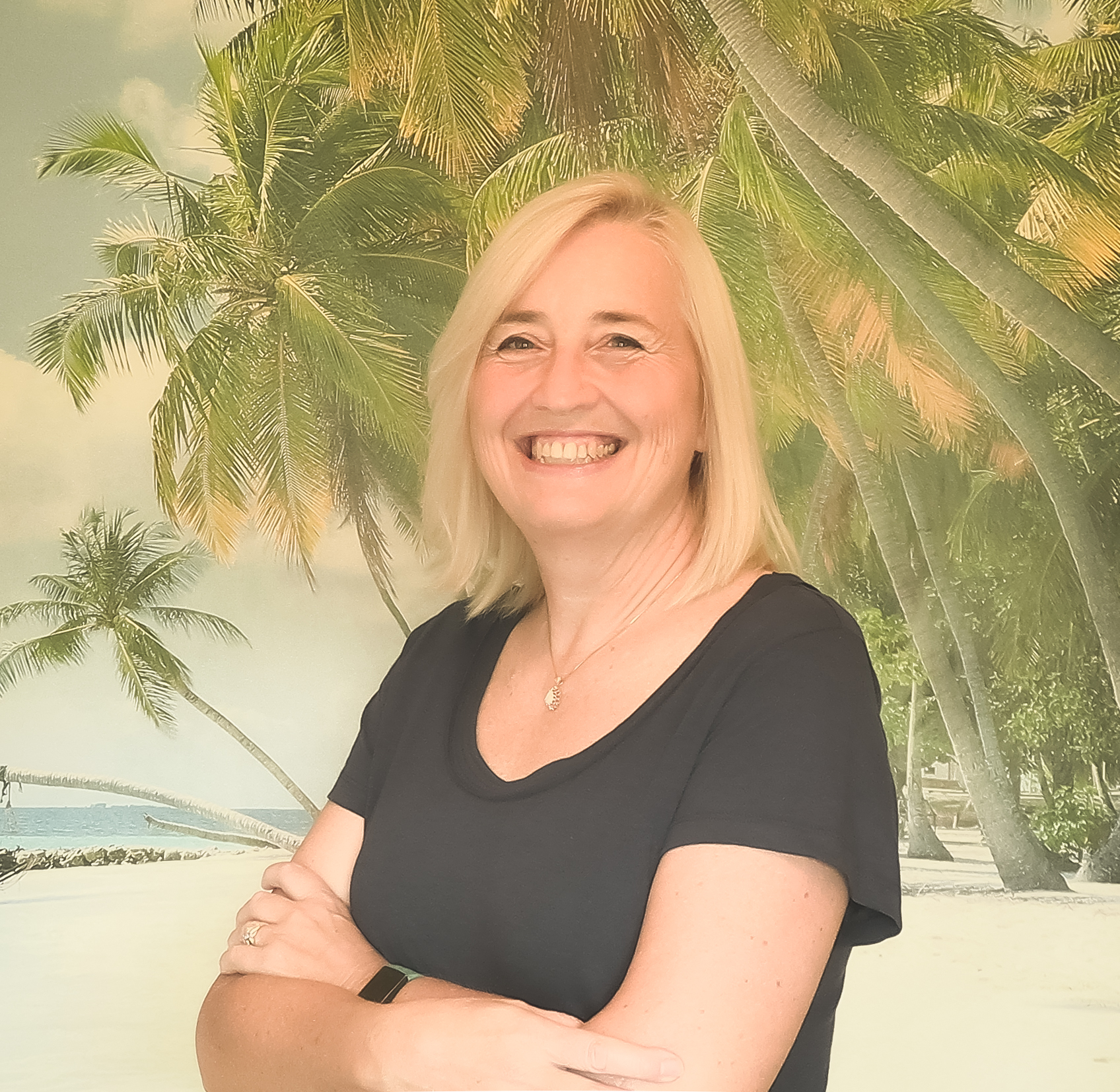
Author
I am the author of three novels: Daughters of Green Mountain Gap, An Enemy Like Me, and Sunflowers Beneath the Snow. 10 Little Rules for a Double-Butted Adventure, an inspirational book about my tandem ride across the United States, released in February 2025. This ride consisting of 3102 miles during the summer of 2020 helped me heal my heart from an emotionally abusive 14-year marriage and get the courage to publish my first novel. My first children's picture book, Little Lola and Her Big Dream, helps children dream big. My latest novel, Peg, Unhinged, will release April 21, 2026.
Finally, I am the host of the Online for Authors podcast.

