

 Apple Podcasts
 Spotify
 Youtube Music
 Starting Over in Midlife: Divorce, Identity & Finding Yourself Again (feat. Tracy Smith)

Midlife has a way of asking hard questions.
Who are you when the roles you built your life around begin to shift?
Who are you after divorce?
What happens when “home” no longer feels like home?
In this episode of Travel Time Stories, we sit down with Tracy Smith, author of The Purpose of Getting Lost, to talk about rebuilding identity after divorce and navigating a midlife reset with honesty and courage.
After her life changed in ways she never expected, Tracy began traveling solo across more than 30 countries — not to escape her life, but to understand it. What she discovered is something many women quietly experience: sometimes losing the life you knew is the beginning of finding yourself.
In this conversation, we explore:
✨ Starting over in midlife
✨ Rebuilding identity after divorce
✨ The grief of losing “home”
✨ Belonging vs. performance
✨ Solo travel as a path to healing
✨ The quiet courage it takes to rebuild from the inside out
This episode is for anyone who feels like their life no longer fits — and wonders what comes next.
If you’re navigating divorce, midlife reinvention, or simply rediscovering who you are beyond the roles you’ve played, this conversation will remind you that starting over isn’t failure… it’s transformation.
📘 Tracy’s book: The Purpose of Getting Lost: A Story of Finding Myself
🔗 https://tracysmithauthor.com/
If this episode speaks to you, share it with someone who may be quietly rebuilding. And don’t forget to subscribe for more conversations about travel, healing, identity, and the human journey.
🔗 Travel Time Stories website: https://www.traveltimestories.com/ Join the community learn more about us and our past guests, read our blogs and sign up to be a part of The Story Circle by becoming a member.
#midlifereset #divorcerecovery #startingover #solotravel #womeninmidlife #findingyourself #traveltimestorieswithshannon #tunein #podmatch #newpodcastepisode #tracysmith #authors #travelpodcast #healingjourney
SPEAKER_01
And when the house grew quiet and their schedules no longer needed me, my membership in that world faded too. I'd been doing what I needed to do for the kids during their growing years. And as they became more independent, it felt like I was gently being erased. Part of me wanted them to need me forever, and the other part knew that if they did, I'd never find out who I was without them. And when that truth set in, the loneliness crept in. Filling the spaces the kids used to occupy. I didn't know it then, but what I was feeling wasn't just loneliness. It was the ache of not knowing who I was. For years I'd been everyone's someone, wife, mother, colleague. But I still didn't know how to be myself. Welcome back to Travel Time Stories with Shannon, where real journeys meet real stories and healing happens one conversation at a time. Today's episode is about how journeys reveal things about ourselves. Our guest today discovered something powerful. Sometimes getting lost geographically reveals what needs to be found internally. I'm your host Shannon, coming to you from the Lone Star State of Texas. And some weeks I open up and share pieces of my own life story from my travel adventures to the winding road of healing and personal growth. Other weeks I'm joined by my best friend and co-host Ann from Missouri, as we sit down with special guests who share their experiences, insights, and expertise to help all of us along our own journeys. Today, Ann is here with me. Hey Ann. Hey everybody, welcome to the show today. Today's guest is Tracy Smith, author of The Purpose of Getting Lost: A Story of Finding Myself. Her memoir explores midlife, identity, divorce, motherhood, and what happens when life as you know it quietly shifts.
SPEAKER_02
Tracy began traveling solo across more than 30 countries, not to escape her life, but to better understand it. Two and a half years, 200,000 miles, and six times around the earth.
SPEAKER_01
Tracy, we are so grateful you're here with us, and I am super excited to dive into your story. Welcome to the show. Oh, thank you so much for having me. I'm so excited.
SPEAKER_02
We're so excited to have you. As we say on travel time stories, everybody, grab your favorite beverage and let's get into it.
SPEAKER_01
So, Tracy, before we get started on your story and everything that happened, kind of give us a little bit of background. I know you grew up in New York, correct? So kind of tell us about that and how that kind of shaped you before everything started with your actual story.
SPEAKER_00
Sure, thank you. So, yeah, I grew up in Buffalo, small Midwestern town in the East Coast. So it's kind of got Cleveland, Chicago, Detroit, Flair, but just much smaller. And I grew up really poor. Um, I'm one of eight kids, and my dad died when I was an infant. And then my mom remarried. And um, so there's five of us, and then there's three younger brothers. And, you know, it was a a a poor upbringing in a strict house. So, you know, I had to try to do whatever I could do to try to find not freedom, but like relaxation or time and space alone whenever I could find it. So books really became that way. Like, you know, I would I could remember when my younger brother, and I can never remember if it was the youngest one or the one just older than him, when he was little, we would take him, me and my other younger brother, we would take them to the library and he would wear overalls. We'd always make him wear overalls, and we'd put them in the old wooden chairs and we'd take the overall straps and we'd put them around the back of the chair, and then we'd reconnect them at his own at his bib overalls. And so then we could sit down and read. It was the only way we could get quiet and kind of, you know, some space for ourselves when you're in a family of eight. And because we are living in subsidized housing, it was a small place. So, you know, there weren't really a lot of places for us to be alone. So books have always been a huge part of who I was and what I like to do. And I don't know at what point I thought about wanting to like see these places and really until I got to college. And then I was like, oh my God, like I want to see the world. Like that's when I really knew it hit me was I want to see the world and I want to see all of it. And at the time I was obsessed with Africa. I mean, I was just absolutely obsessed with it. But then, you know, life has a way of working out. And when you're poor and you don't have like a mentor and you don't have resources, and the internet definitely is not was not then what it is now, where you could just kind of go figure out how to go do stuff and how to travel. I I ended up taking this other path that involved having children and a family. And that was my life. You know, that was my life for 20, 24 years. That's 20. Well, actually, I guess he's 20, almost 25 now. So we'll say 20 years, 21 years. That was the life I lived. And I have no regrets about any of it. It's what I did. It's who I, it's who I was. Somewhere along the way, I think I realized there's got to be more than this. Like, you know, I could, I didn't know where I was at and what I was doing. And I kind of lost sense of who I was. The older my kids got, the more I lost sense of what I was doing and where I was supposed to be going. And the reality is, is I didn't figure that out until I went on that first trip. That's when it kind of like, that was my aha moment of being like, oh, oh yeah, this is something you want. This is something you've wanted for 30 years. You just kind of had forgotten all about it, you know? I put it on a back burner.
SPEAKER_01
Yeah, exactly. You write something that really stuck with me. I thought I was traveling to see the world and I was actually learning to see myself. So when all the roles that we place on ourselves and society places on us, mother, wife, professional, all these different roles that get piled on us, when they start to fall away, there's this fear and these silent questions that come up of where do I belong? Who am I? When no one needs me to do anything for them anymore. And so when did you first realize that your travel wasn't about escape, but about your identity?
SPEAKER_00
I don't, I don't, I don't think it happened right away. I know it didn't happen right away, right? Like I think as I was taking these trips, they at first they were kind of far for there was more time between them. And then I started realizing that when I traveled, I felt different. Like I didn't really know what it was. Like I just I really didn't have a sense of I was like, I know I'm different. I'm not really sure what this is. And then somewhere along the way, so by probably by September of 2023, when I ended the relationship I was in, I feel like that was like the first time when I really kind of said to myself, I was like, no, you're somebody different than you were when you got into that relationship a year ago before you started traveling, or right when I I actually met him right as soon as I came back from the first trip. So I realized I started realizing then that there was something different. But it I don't think it was until after I went on that first Southeast Asia trip in January 2024 that I really was like, okay, Tracy, you're you're different. Like you for certain are not the same person that needs to be in a relationship. You're not the same person that needs to be mom, like right. Like there's a visceral need. When you don't fit in anywhere and you become a mom, there's a visceral need to make that your identity of that's who I am, right? Like I was like, this is something I will always be mom. And it wasn't until that January 2024 trip that I think was like the real first time where I was kind of like, no, I'm making a decision that's not dependent on my kids. I'm leaving them behind. I'm kind of doing all these things for myself. And I no longer thought of myself as I must be mom. I thought of myself as I must be Tracy, who is also mom.
SPEAKER_01
It's such a shift in thinking about who I am. Yeah, it really is. I had that same shift in in my life as well, and it was brought on by a travel experience. So I totally understand that. And do you think we sometimes stay busy so that we don't have to ask ourselves those questions?
SPEAKER_00
Oh my god, Shannon, you just hit the, I mean, you literally just hit the nail like flat on the head because that's exactly what I just said to another person. I was like, all these years, like so I get divorced, and even the years before I got divorced, right? Like I'm raising kids and I go to work every day and I come home from work and it's like, okay, cook, clean, take them to wherever they have to be, drive carpool, come home, do whatever. I was doing a my doctorate at the same time as all this. So, like, I'm kind of like, okay, do a doctorate, raise kids, work a full-time job, and and a full-time job that was like a professional, like I it wasn't one that I could just leave at the office every day. And so all of this finishes. And in 2022, when my youngest son started driving, or he started driving in April of 2022. All of a sudden, I was like, Oh, I I have some freedom. Like my doctorate is now finished. I wasn't happy at my job. So by that summer, and then by September 2022, when I left, I wasn't happy at my job. My son was the only one at home now, and he had like football practice every night and baseball and rugby. And I didn't have to drive him. And I was like, Well, what am I supposed to do now? Like, who am I? And it was the first real idea of, yeah, like I can't stay busy anymore. And you know what I did to stay busy? I'm I'm not even joking with you. I went and did another master's degree because I was like, I I what am I gonna do with myself? I have to do something. I'm so I don't know what to do. All as a way to like stop myself from slowing down and trying to trying to fight with those answers and those questions of who am I? And then I finished that master's degree. The job by this point I knew was just going, I mean, it was just not a good fit at all. My youngest son now is going off to college, and I am a true empty nester. There's no school, there's no kids at home, there's, I mean, like a job that I don't want to be at. And for me, like I had a full reckoning of being like, who am I? The you know, that that was it was a full-on I had to deal with who who I was.
SPEAKER_02
Wow. You know, midlife can feel like this quiet reckoning, rebuilding identity after divorce is is very layered. How did you begin to separate who you were from the life you had built?
SPEAKER_00
Well, frankly, I mean, my ex-husband's family did it for me, right? Like I didn't, I didn't really get a choice because when we when we divorced, they divorced me as well, right? So it wasn't like I was still welcomed, I wasn't welcome to any father family gatherings, invitations for baby showers and communions and graduations, or there'd be parties, and it was never to me. It was always to the kids, right? So they really they did it for me. And it was not pleasant. You know, I I will not even begin to pretend that I handled it well because I didn't, you know, like it there all it did was bring up all of these memories of being like, I don't fit in, I'm, you know, I'm rejected, I don't belong. And this is just one more example of, you know, you don't belong and you don't fit in. I was really, really fortunate in those first couple years after my divorce. I met a wonderful person. We dated for four years. Um, and he he really ended up kind of healing me in that way of where I was able to get through the time of like figuring out who I was, but also like not being angry at my ex-husband anymore. Because, you know, I was, I was really angry. And it I can't even say that like sometimes today. I mean, I've been divorced 12 years, and there are still times now where I'm still angry about how it all played out and how his family treated me. His um when his uh mother, when his mother died, I wasn't part of the I wasn't even invited to the memorial. I went because of my kids. I wasn't part of the obituary, but my kids are, and it makes you feel like, well, am I nobody? So I don't think I did it very well. And I was fortunate, I guess, in that respect that they did it for me because I don't know what it would have looked like otherwise.
SPEAKER_01
Yeah, yeah. It's it's still sad though that that's how it happened for you.
SPEAKER_00
What am I supposed to do? And especially like when the kids go with him and all of the friendships were his friendships. So, what am I supposed to do when I'm home by myself on the weekends? You can imagine the spiraling that went on when you're home on a weekend, wondering what your kids are doing or why they haven't texted you yet, because your whole world is built on those kids.
SPEAKER_01
So, yeah, it wasn't pretty. Well, I have a couple things to read here that relates to what we were that relates to what we were just talking about. These are excerpts from the book. And speaking specifically about the kids, as you say in here, and in always choosing them, I lost pieces of myself. And when the house grew quiet and their schedules no longer needed me, my membership in that world faded too. I'd been doing what I needed to do for the kids during their growing years, and as they became more independent, it felt like I was gently being erased. Part of me wanted them to need me forever, and the other part knew that if they did, I'd never find out who I was without them. And when that truth set in, the loneliness crept in, filling the spaces the kids used to occupy. I didn't know it then, but what I was feeling wasn't just loneliness. It was the ache of not knowing who I was for years. I'd been everyone's someone, wife, mother, colleague, but I still didn't know how to be myself.
SPEAKER_00
Yeah. So I sold my house in Chicago at the end of the summer, and I moved to Washington, D.C. And my two youngest kids are in college. And over the Christmas break, um, I rented a space in Chicago so I could be with the kids for part of the time or whatever. For the entire time of the divorce, they go with their dad and they see their dad, like basically from the 23rd, and then they come home on the 24th after celebrating Christmas Eve with his family. And then the rule was always on the 24th they come home and then they're with me all day on the 25th. Well, as they're getting older, you can imagine that they're now in control of when coming home is, right? And before, I could say to their dad, well, you know, get them home by 10, or I'll come pick them up at 10 o'clock, and I can kind of have some control over that. Well, this year they showed up really late. You know, they're all adults and they showed up really, really late. And I spent the night um being really upset or whatever. And um, I went to bed. And on Christmas morning, I almost ruined the day because I didn't know what to do with like it was almost like I had found myself back in this space of like trying to figure out who I was because who was I on Christmas Day if I wasn't with the kids? Like, you know, it's the one day I could always count on of being mom. I was really angry with them for coming home so late. And I had to step back from that. So they woke up and we celebrated, we kind of talked about it. Had to kind of sit down and remind myself that Tracy, this this is what it is now, right? Like the kids are adults. I still get to be mom, but I'm a different mom now, right? Like I'm now mom that has to be supportive. I'm the mom who has to say, okay, if you need me, I'm here, but if you don't, I need to back off. And that's a really challenging space to be in, especially when your whole identity is wrapped up in being mom. And my whole identity for sure, like the eight years from the divorce until I started traveling was about being mom, right? Like, come home, cook. I I mean, I thrived off of, okay, guys, let's get up early in the morning. Okay, let's go to school, get everything ready. Everybody got lunches, okay. You got breakfast, great. Go to school, go to school, pick you up, come home, eat, go to cheer, track, baseball. It didn't even matter. Come home, cook, check homework, do homework. I thrived on that pressure, on that movement of everything that it entailed because it didn't force me to think about all the other pieces of me that might not be there, that might have been missing, that might have been like, who, who are you, Tracy? And it was so it wasn't until I started traveling that I really allowed myself to slow down enough to start thinking about who that person was. Does that make sense? Mm-hmm.
SPEAKER_01
Yeah, that makes perfect sense. Yeah. And how would you say that motherhood for you has evolved now that you've been reclaiming yourself over time?
SPEAKER_00
So the, you know, in the passage you just read, I was somebody to everybody, and I was always yes to everybody else first, right? And I and I think that was so true for as long as I had children. Well, now what's kind of happening is, and Christmas is another really good example of this, actually, is I am finding that I'm saying yes to myself, but when the yeses are to them, they're yeses that are intentional. And a really good example of that is okay, so during this same Christmas holiday this past year, I thought the kids were gonna be with their dad for after Christmas. I thought maybe they'd go away somewhere. So I booked a trip to Guatemala. I wanted to go to Guatemala. I'm like, I'm not gonna sit around Christmas time by myself, I'm gonna go somewhere. You know who else gets a week off? You got to go somewhere and do something. So I book a trip to Guatemala and then come to find out they're not going anywhere with their dad. Right. So now I'm really conflicted because I'm like, my kids are home. I want to spend time with them, but I really want to go to Guatemala. Like, I really want both of these things, and what do I do? So my daughter comes to me and she says, you know, mom, we should do something for New Year's Eve. And I was like, okay, maybe now I'm supposed to be in Guatemala. I'm like, okay, maybe. Let me think about it. I ended up um canceling Guatemala and I booked a trip to New Orleans with my daughter and my oldest son. My younger son stayed back. He didn't want to go. So I booked a trip to New Orleans instead with them. But that to me, when I think about not going to Guatemala and deciding to go to New Orleans with them, that was not about me giving up something for them and being everything to them. That was about me saying, sure, I'd love to go to Guatemala, but I'd also love to spend time with my adult children in New Orleans. It will be a ton of fun. So, you know what? Right now, I'm saying yes to me, but the yes to me means yes to spending time with my children, not yes to just going to Guatemala. Now that my kids are getting older, it's reshifting those priorities. And I, you know, and like and another good example of it is I'm going to Vietnam in April, a friend for a friend's wedding, and it's falling on the same weekend as my son's mom's weekend at college. And I'm trying, I'm just trying to like figure out can I do both? Like I kind of have tried to think about it. But at the end of the day, I've made a decision to say, I'm going to Vietnam. I can't make both work. And this time I'm choosing me. And I'm sorry, Henry, I will come and see you another time and we will hang out. And I'm sorry I'm going to miss it. We had a great time last year, but this is me choosing myself. So I think now that they're older, it's about trying to think about like, what is it that I really want? And how does the other needs of other people fit within that versus me saying, what does everybody else want? And how do I fit into that? So it's just kind of a complete shift how I make the choices about what I do now.
SPEAKER_01
Yeah, that that's a great example of how you have to shift your mindset and thinking about things. And that goes along with. One of the the lines here in the book that I like. It says, I spent years packing everyone else's bags, but never thought to pack my own. I didn't even know what I needed, literally or figuratively.
SPEAKER_00
So true, because that very first trip when I went, I didn't even know I didn't even know how to use my phone when I went overseas. I didn't even know how to call. I still don't really know how to call when I go overseas. But on that trip, I like I legitimately was like, I have no idea. How do you use a phone when you go overseas? How do I get maps? So, yeah, like all these things that I just didn't even know how to do or what to do. Even on that trip, the day before I left, I was up to the point of still cooking meals and packaging meals for my son who was a junior in high school. He certainly could have cooked for himself, or at least, you know, could have ordered takeout. I mean, I didn't need to, but here I am still meal prepping for my son. Henry, here's the stuff labeled in the freezer. Here you go, here's this. I mean, I had bags of frozen food when I came back. I mean, he ate a lot of it to his credit, he did. But still, like I'm doing all that rather than thinking about okay, what do I how do I use my phone when I go to another country? So stuff like that. Like, you know, you don't even think about it because you're too worried about everybody else.
SPEAKER_02
You know, one of the most emotional moments of your story is um is returning home for Christmas and realizing that it no longer felt like home. That Greyhound bus moment, can you take us there and tell us what home meant to you before that? And then what did it mean after?
SPEAKER_00
So my brother read the book. He was one of the first people, and I was so surprised. I don't know why I was surprised, but I was really surprised that he read it. And so I remember saying to him, I was like, what was the one moment that surprised you the most? And he talks about that Greyhound moment. And he said to me, I had no idea how you felt that day. And I was like, It's okay that you didn't know because you guys all had families, you all had children and you know, young children, and it's Christmas, and you have in-laws and you want to spend time with them. And here I am, kind of like randomly showing up, like the wayward daughter just coming up out of nowhere, being like, hey guys, spend Christmas with me. Wait, you know, I'm the lonely one all by myself. And um, so it wasn't their fault, but at the same time, it was so lonely because you know, society is they they have a certain expectation for Christmas, right? It's so unfair because there are a lot of people out there who have nobody to spend the holidays with Christmas, and yet society somehow makes us feel badly if we're alone on Christmas. That's what I that's what I was feeling was I'm alone and like I didn't fit in because nobody wanted to be with me. And I said, I'm I'm leaving, and I got on that Greyhound bus, and it was like the loneliest ride ever. Because again, it was like Christmas night, and who's supposed to be alone on Christmas? Yeah. Well, it just changed the whole trajectory of my life because being alone on that Christmas made me realize I never wanted to be alone again on Christmas. I think that if I was traveling, I'm more open to the idea of being alone on Christmas. But here, we just make people feel really badly about themselves.
SPEAKER_01
Yeah.
SPEAKER_00
You know, we do for being alone. Yeah.
SPEAKER_01
Yeah. Unfortunately, our society makes people feel bad about themselves for many things that we should not make people feel bad about. And being alone is one of them. Right.
SPEAKER_00
Yeah, right. Like there's some defect with you, there's something wrong with you because either you don't have like this massive group of friends, or you choose to spend a day alone, or you choose to live alone, or you choose to spend your life alone. For some reason, we think that's a flaw. And like for me, I'm in my glory at my house alone. I love my children, love you guys, love you. But I'm in my glory living by myself right now in DC. I'm responsible for the dog and the cat, of course. Yeah. But outside of them, not being responsible for anybody else unless I choose to be responsible for them. And it's so freeing. There are times where, yeah, let me tell you, it's very freeing. Oh, I know. I'm I'm praying for that day.
SPEAKER_01
Yeah. I haven't got there, haven't got there yet, but I'm praying for it every day.
SPEAKER_00
Yeah. You want your kids to need you and you want to be a part of their lives and you want to see them grow up and be successful and do all these things. But at the same time, my audience is women who are just sitting at home feeling constrained by all of these expectations that are put on them who want to be able to say yes to themselves. Even women who work in corporate America making, you know, half a million dollars a year, women who are single moms at home. There are women who are single by themselves, or women who are empty nesters. There are all of them who just don't feel like they have the power, the permission to say yes to something that they want because society just has so many expectations of what we're supposed to say yes to, right? I wanted to shatter that illusion of being like, I have to say yes to everybody else first. I can say yes to myself first. It is not selfish, it is responsible for me to say yes to myself first. And that's what I'm doing.
SPEAKER_02
I agree.
SPEAKER_01
Me too. And I'm so glad that that you did that and that you wrote the book. So because it w it was much needed, and everybody needs to read the books. I agree.
SPEAKER_00
Oh, I I love that. I've absolutely I absolutely love that. But this book for me, it was like a love letter to myself, right? And that's how it functioned because there was so much about myself that I I didn't know or that I wasn't really willing to reckon with. And and then all of a sudden, when you brought back to thinking about it, you're like, oh yeah, I remember that now. I I totally get what it was I was thinking and feeling. It was absolutely a gift to myself to write it because I felt like it taught me so much about myself that I didn't know.
SPEAKER_01
Yeah, I can see that. So you write that fitting in requires performance, but belonging requires honesty. That line really got me to really thinking hard because I had never thought of it that way until I read that. And then I was like, oh my goodness. And one of the things in the book, it says it was about learning that belonging doesn't arrive from the outside, it doesn't come stamped in a passport or written in a job tied. It comes when you stop apologizing for what you need, when you let yourself be fully seen, and when you decide at last that smallness is no longer enough. After a lifetime of trying or e uh after a lifetime of trying to earn belonging through effort, it hit me. It's not about working harder, it's about telling the truth.
SPEAKER_00
Yeah. When I was younger, I I definitely lied a lot as a way to fit in, right? These shoes are from this store. Yeah, oh no, we have carpet on the floor, we just don't happen to have it right now because it's being cleaned, you know, all these things. And so you're constantly performing and lying at the end of the day, right? I was just lying to to try to be somebody to try to fit in with the people that I was around. I realized I didn't have to do that anymore, that I was good enough with who I was. But now at this point, if people don't want to have me in their life because for whatever reason, because they just don't think I fit in with them, then I don't need to be in their life. I'm not gonna try to fit in anymore. Now it's just kind of like this is who I am. I'm not going to apologize for being who I am. This is it. And you can either take me or leave me. It was a really hard lesson to learn, but it that's one of the gifts I believe that I got out of this book was realizing that I am worth taking up space. I deserve it. I deserve to take up space.
SPEAKER_01
Yeah. Exactly. So, what does belonging feel like now, physically and emotionally, for you?
SPEAKER_00
Yeah, it feels like choosing myself, but I think even more like it feels like I need to be on a trip right now. I feel that same way. I'm sitting here thinking, yeah. I'm sitting here thinking about it. I'm like, oh my God, it feels like I need to be on a trip and I need to go be somewhere and moving and kind of moving and staying still all at the same time and being in a space where I feel like I can be the authentic me, right? Because here, even here in DC, I'm still living a life that I go to work every day and I do this work that really doesn't feel like it's my calling. And, you know, and I love my apartment and I love the dog and the cat, but there's still a part of me that feels pretty disconnected from all of it. And so for me, I think belonging feels like being somewhere and just like being alive in those in those moments. And I think that's why I'm always trying to think about the next trip, trying to book the next trip. I'm constantly, where can I go next? When can I get there? How soon can I get there? I'm constantly thinking about it.
SPEAKER_01
Well, I'm the same way, so we must be kindred spirits in that way. That's what I'm thinking.
SPEAKER_00
We probably highlighted the same, I'm sure we would have highlighted the same passages in the book.
SPEAKER_01
Probably so. I do have to mention in here the part where you talk about friendship. When you finally come to the point to talk about friendship, I love it because I think it matches how I feel and how mine and Ann's friendship is. Most people don't understand it or get it, but it's true friends don't have to perform in a certain way. They just have to show up. True friends can show up at silent with the coffee in the morning, giggly nights on the cobblestone streets. And that is so true. When you have true, genuine friendships, that that's the way it is. You give each other room to breathe when you need to breathe, and you can still come back together and you pick up right where you left off. You don't have to pretend with that person.
SPEAKER_00
I'm so glad you used that word about grace because it's it's a phrase I use a lot is that we do. We need to give more grace to people to be themselves. That chapter was really hard for me to write, the one towards the end of the book. It was really difficult for me to write because it was a reckoning about these friendships, these people that I thought were my friends that I wanted so badly for them to be my friends, for me to realize I was so disposable, right? Like them, and it wasn't a true friendship. And that that that that hurt, like, but to the point of I have these other friends, um, the the women that I went to um Ireland with and I went to Greece with them. And um they're the kind where like there'll be times where they're dating somebody or I'm dating somebody and maybe we stop talking and hanging out or whatever. And then what happens is six months down the road, a year down the road, however long, we pick up the phone and it's like okay. There there was no judgment there about being like, where were you at? Where have you been, and how come you haven't called me? Or my friend Carmen from the Puerto Rico trip, like it's the same thing. And so I agree that like real friends will give you that space to kind of be who you need to be, and then and they won't be like, oh, you know, Tracy, you're too intense, or Tracy, you're too this, or Tracy, you're too that, or or you're too whatever, because that's what I would hear all the time. And they don't real friends won't make you apologize for that. They'll be like, this is who you are, and you are my friend, and I love you for it. And don't change because that's what makes you who you are. I wish people could have those circles like that because that's what kind of gets you through at the end of the, you know, at the end of the day. And those two groups of friends, when I was having those surgeries, those are the ones who are taking me to my surgery. You know, those are the ones who were helping me, you know, get dressed and get undressed, and they're the ones who are made sure that I had my medicine and my prescriptions and made sure I had food and you know, texting me and checking in on me. And so I think we those kinds of friends are really important are really important to have in in our life.
SPEAKER_02
Oh yeah, for sure. The bedrock.
SPEAKER_01
Yeah. Yeah. Exactly. So you traveled to more than 30 countries. What does being alone in a foreign place reveal that your daily life doesn't?
SPEAKER_00
Um, then I'm not nearly as shy or as much of an introvert as I like to believe that I am. Um you know. Yeah. I kind of hang my hat. And actually, I I think the right wording would be I when I'm at home, I'm socially awkward. Actually, I just told a work colleague about that today. I said I'm really super socially awkward. When I'm traveling, I'm not so socially awkward. And I don't know if it's because when you're traveling, nobody knows you. So then either you're you're still saying weird things, but you're not worried about how weird they are because maybe they don't speak the language. Or two, like you're never gonna see them again, or you're not really nervous about what you're going to say. So it allows you to not be so socially awkward, right? So things come out more natural. You say kind of the things that you're not like, you know, gatekeeping your thought. Yeah. Like that. I can relate, I can relate to that.
SPEAKER_01
I'm the same way. So but I loved in the book where you talk about how important it is to not have sameness. Why can't we all just embrace the uniqueness of each other and the stereotypes or things that people think about other people in other countries that they've seen on TV or whatever, and they've never experienced it for themselves, but that's the way they think it is. And then you go and you discover that is totally wrong. That is not how anything is. Yeah. And the fact that you said that when you went to the Middle East alone, by the way, that you felt so welcomed. Yeah. That blew me away. I was like, wow, most of us have been raised, conditioned, conditioned on what we've seen and heard that that's that's not the way things are over there. And that's not, you know, how it would be. So I was really shocked by that. I was like, wow, that's amazing.
SPEAKER_00
Yeah, it's funny. I'm going to um so I'm going to Vietnam in April for a wedding. I've invited one of my friends to kind of join me because she likes to travel. And I was like, this might be something fun for her to um experience. I was telling her last night there's some stuff going on, obviously, in the Middle East right now. And so I said to her, we're flying through Doha. I've I'd flown through Doha before. So I was saying in the context of everything going on in the Middle East right now, I said, but I'm not worried about it. You have family that will be wondering, why are you going, what's going to happen if you still fly through Doha? I said, so I need to be transparent and open with you to say there's some stuff going on in Doha right now, not in Doha, but in the Middle East. And you have to make a decision. Do you want to defend your choice to still fly through this area and to go on this trip with me to your family? Or do you want to say, no, I'm I'm still gonna go and we're still gonna route, you know, we're still gonna route through Doha? I don't know what it'll be like two months from now. I can tell you what it's like right now. I don't know two months, but because she has to kind of defend what our understanding and our beliefs are about the Middle East, I needed to be really super transparent and upfront with her about being like, do you want to go or do you need to, you know, switch your switch your flight, or do you need to do this, or do you need to do that? Because I don't I know the perceptions of how that stuff is here when we talk about the Middle East. And I didn't I just don't want her to face that kind of backlash. I can handle it, you know. I I again I don't answer to anybody, but her, I'm not sure if she could or wants to. You know, it's just different. Yeah.
SPEAKER_02
So was there a specific country or moment where something just shifted internally for you?
SPEAKER_00
I don't know if there was a moment that I can think to like like I don't know if I can say, oh, this is when I realized I was different, or like this is the moment that caused the difference. But the thing that I do know is that I don't invite myself anywhere. I never have part of that whole belonging and not feeling like I fit in, so I don't know if I'm welcome, right? Colleagues will stand out in the hallway and talk about happy hour, and I would never invite myself to go to happy hour, even if they're standing right there looking at me. I'm waiting for them to extend the invitation. So that's how I've lived my life. In Southeast Asia in September of 2024, um, I was going for a month, I was gonna be gone for a month, and I was going to like Indonesia, I was going to Bali and Borneo. I was spending a lot of time actually in Vietnam, just up north and down in the south. And so um I rem I got scratched by a monkey in Bali, and um I needed to get a rabies shot. And so I had to kind of switch up my plan. So instead of going to Penang in Malaysia, I decided to go back to Dunang in Vietnam. And um I remember messaging my friend, the one whose wedding I'm going to in two months. And I had only met her one other time before, which was the previous January when I met her in Vietnam and she was my tour guide. And then we had spent an evening going out to a nightclub and dinner with her and her friends and everything. And so I remember messaging her on WhatsApp and saying, Hi Min, do you um I'm gonna be in Dunning for a couple of days? Do you want to get together? And it was the first time where I had ever done that for myself to be like, hey, like the first time, memorable time, right? Of being like, hey, do you want to get together to a person who I really didn't know, other than that time that I had, you know, spent with her as a tourist nine months earlier. And so for me, that I didn't realize it at the moment, but I have since come to realize that really was this kind of turning point for me because I invited myself to go hang out with her. And like, you know, we spent, she brought like five of her friends and we went shopping. We went back to a nightclub, we went to dinner, we went to a soccer game. I mean, we spent the whole riding a motorbike all over Donang and you know, all night long. And it it was, it was absolutely incredible. And then, like, she invited me to come celebrate the Lunar New Year with her, um, you know, the following January. Um, and so now I'm invited to her wedding. And so for me, that really was in hindsight, that was such an aha moment of being like, wow, Tracy, you really had changed because I never in a million years, I would never, ever, let me tell you, I would never, ever do that at home. And even to this day, I I would not do that at home. But somehow I was able to do it out there. I don't know.
SPEAKER_02
Anything. Yeah, I love life-changing, definitely life-changing. Oh, yeah, for sure.
SPEAKER_01
Yeah, for sure.
SPEAKER_02
Yep.
SPEAKER_01
So throughout the book, you mentioned your dating experiences. Uh-huh. And I wanna I have to touch on a few of those. I think most of us, for one, can relate to staying in a relationship longer than we should. Yeah. What did you learn from that and what advice would you give someone currently in that situation?
SPEAKER_00
I think that's really hard. And I don't know if I would have had the guts to be brave enough, the courage, whatever you want to call it, to end that relationship if I hadn't figured out like that I no longer needed to be in a relationship. Because when we first started dating, I had been single for four years. And the summer before meeting that man, I went on all those dates. When we first started dating, I was kind of like, I'm dating looking for my forever person. That's what I thought I wanted. That's what I like was looking for. And um it wasn't until we dated for a year and I came back from that 50th birthday trip from Portugal, and I realized that I no longer was dating for my forever person. Now I'm dating because somebody enriches my life. And that it was That's when I realized he wasn't enriching my life anymore. And so I think that that's really hard because we need to understand why it is that we're dating somebody or like why are we involved in that relationship? And now at this point, I will not like I I refuse to spend energy if I don't feel like it's somebody that I want to be with. I I just don't do it anymore because I just have too many things going on in my life and I have too much that I want out of it to just be in a relationship just to to take up space, right? Like that's it's just not somewhere that I need to be anymore. And so I think that we need to ask what is that relationship doing for us that's furthering me? And if it's not furthering you, then I think you need to have a really hard discussion with yourself about whether it's worth saying it.
SPEAKER_02
I think that's really good advice. And I think there are probably people out there who probably need to hear that right now. So I gotta hear the whole story of Mr. Implant.
SPEAKER_00
Yeah. The poor implant guy. I feel really bad that he's and that summer I had been going out on all these dates. I had finally COVID was just over, kind of like you know, the world was opening up again. And I had decided that I was gonna start dating. Now I had just had one of my first surgeries on my arm, and I don't know where he fit in over that summer because there were there were a hundred dates. It was craziness. So um this particular person I met, he lived up in Wisconsin, so like Milwaukee, and he said, Oh, you know, let's get dinner or whatever. And I was okay now, yeah, sure. And at the time, that summer, I was more willing to meet people than I am now. Like now, I'm kind of like, unless I know clearly that this is gonna be a good use of my time, I'm not going, I'm not meeting you. Then that summer I was kind of like, whatever, I'll go meet you and whatever. And we go to this restaurant, a really nice restaurant, which is also against one of my big rules, because I traditionally don't go to dinner on first dates. I prefer drinks or coffee for this very reason. So we we get to this restaurant, this really nice restaurant in the mall in this um nice outdoor mall in Chicago area. Um, first off, the hostess sits us down at like, you know, like a half circle table. Now there's only two of us. Well, okay, that's kind of awkward. Where are we supposed to sit? We're all supposed to be on the ends, we're supposed to sit next to each other. I don't know. He climbs in on one side, I climb in on the other, and he stops kind of like before I realize where he's stopping, but he stops like on kind of like the end seat, and I'm already climbed in, scooting him around because I don't want to be all the way on the other side of the table from him. This half big half table that's meant to seat four people. So I'm kind of scooting in and I get in. So we're sitting. Again, this is a nice restaurant. I'm this is not like you know, a$10 McDonald's joint. So um the waitress comes by or waiter comes by, I don't remember, and I I order wine and I ask him if he's gonna have anything, you know, and he decides not to have anything, anything to drink. And then he discloses to me shortly thereafter that he um, and you know, I don't want to make fun of his implant because you know he had cancer, so that's all very sad and everything, and there's a reason for it. But we're on this first date and we're like 20 minutes in, 15 minutes in when I ask him why he's not having a glass of wine. You know, does he drink? Does he not drink? And he discloses the cancer and then he tell discloses what kind it was, and then he basically tells me, you know, I have a penal implant, and I'm just kind of like, uh, oh, like, oh you're like right for our first date. We're 20 minutes in. You don't even want to sit next to me at the table, and you're gonna tell me about your penile implant. I mean, so I felt I felt really, really badly about that. The day dinner continued. I'm certain I had another glass of wine. After after dinner, I remember we left and I kind of just gave them a hug or something after afterwards. And, you know, of course, it's always awkward to leave a date and be like, I'm sorry, there's not really a match here, especially when someone just spent a hundred bucks, you know, dropped a hundred dollars easy on dinner and drove down from Milwaukee, which was like an hour and a half drive down to have dinner with me. Wow. He drives away and I send him a message like five minutes after I know he's left already, and I'm like, I will eat you alive. And I was like, This is just it's not a match. I'm sorry. I felt so badly about it, but it was it was TMI, and it was, you know, I I you know, and I don't know what he should have done. I don't, I don't know what the right situation is in that because you can't wait too long to tell somebody because that's such an important part of relationships, but at the same time, I'm not sure like the first 15 minutes in is the right time to tell somebody either. I don't, I don't know.
SPEAKER_02
Yeah, no.
SPEAKER_00
No, definitely not. I know. Maybe I should put that on my profiles. No penile implants, please.
SPEAKER_02
I don't if you get another one, just be super serious, lean forward and go, does it work well?
SPEAKER_00
So that picture that goes with that chapter, which is the Detroit Tigers picture. It's the only picture in that entire book that has pretty much no meaning to me. That picture is related to one of the dates I went on. But the picture I wanted for that chapter, I wanted to do a Brady Bunch style pictures and like to basically pixelate like the faces so you couldn't see. But basically you would see all these dating, because I had screenshots of all of them. So I sent them to my designer and I was like, I have all these screenshots that I'm sending you of all these dates that I went on. Wouldn't that be fun if we created like a bait Brady Bunch bingo card or something like or something like that? And that was the intention, but then she told me she didn't think it would go over well. So we but I thought it would have been a fabulous. I really did. I was I was incredibly excited about that. I think people would have really, and they would have all been pixelated, so it's not like you would have saw somebody's picture, but I just thought, like, I was like, oh my God, how much fun would it be to just have like you know, all these these app pictures of all the that would have been hilarious. Especially because they were from all different apps, too. I mean, it was like Tinder and Plenty of Fish and you know, match and bumble. You know, I was doing the whole gamut that summer. I was I was putting I put myself out there. I really did. Well, good for you. At least you put yourself out there. I did back then, not anymore. I'm I'm done. I don't have the energy anymore for it.
SPEAKER_02
It was a good summer though, wasn't it?
SPEAKER_00
It was it was it was a it was definitely a good it was definitely a good summer, that is for sure. Yes.
SPEAKER_01
Exactly. The filthy bathroom guy. Was his bathroom just dirty or was it filthy because I he didn't blush the toilet or like it was filthy?
SPEAKER_00
I just remember it being like it was like shaven stubbles just everywhere. It's not like there was cat peer poo, but there was like cat hair. It was just gross. It was really, it was really, really, really gross.
SPEAKER_01
I don't blame you. Yeah, I could I couldn't have stood that either. No, that one was that one was yeah, that one was gross. Yeah. Yeah, that's that's way too much. That's way too much. Yeah. So the last the last one I have is your trip to Seattle. I'm sure you probably figured I was gonna ask you about it. This really touched me though, like your openness about your curiosity. Uh, I think there's a lot of people who can relate to that. Yes, and my question is, had you always been curious, or was that something that happened like when you were just trying to find yourself, like after the divorce?
SPEAKER_00
I I've always been curious for a lot of different reasons, things related to like trauma and stuff like that. And so I think I always have been curious. In addition, I am officially obsessed with women's boobs. I just think they're absolutely beautiful. All of my friends know this about me. Um, you know, they all know. No. If you have to like, you know, cut that out or put an E rating on it or something. I'm obsessed with them. I just I think they're I just think they're beautiful. So I think women offered a lot more in terms of the type of relationship I would want, like somebody who really wants to talk, not talk like, you know, get all in our feelings, but like just likes to talk about things about life or who likes to go to museums or wants to travel and doing all these other things. And so I think there was a huge part of me that believed that maybe that maybe that's where I was wrong in the relationships, right? Maybe that's what was happening in all of these relationships that weren't working out, all of these heterosexual ones, that's why they weren't working out, is because maybe I'm truly am either bi or maybe I was a lesbian and I just I hadn't come to terms with that yet. And so that experience in Seattle, though, it did tell me that I'm not lesbian, right? Like I I might have been able up until that point, I think I might have been able to be like, oh, maybe I am, without going on that date and realizing that we had a nice time talking, but I felt absolutely nothing, like not even curiosity to kiss her, told me everything I needed to know about my own sexuality. Without that date, I wouldn't have known that. But I think I had always been really curious about it, and I just didn't know. And I think a lot of women do go through that and for a variety of reasons as well, because whether it's based in trauma or whether it's based in um, you know, their own sexual life um and how sexual they feel, or whether that's based in like the kind of intimacy, um, the emotional intimacy that we can build with somebody, I think that that could be really true of a lot of women. And I don't know if I would say, oh, go on a date to see if you are. That's not what I'm necessarily advocating. But I think trying to come to the source of why you might think that. Yeah. If you are questioning it, might be either you have to go on a date to find out, and that's kind of in my situation what I did do, or to try to come to the source of why you might feel that way. And I think that, you know, that's a really that's a really challenging way to think about it. But I I do think most women who are feeling that kind of curiosity, if if it's not because they're genuinely bisexual or lesbian, I think they could point to why they're feeling that curiosity. And you know, then you can kind of work from that space and say, okay, this is why I'm thinking that, right? So it really was, it was just kind of being like, I was curious, but I was curious kind of like I think for the wrong reasons. I was curious because of these trauma, these traumatic events. And maybe if I had dealt with that trauma, I wouldn't have been so curious. That's kind of what I'm thinking. I don't know. I've never had any therapy for that, so I could not speak to it. And I don't want anyone who is who identifies as being, you know, lesbian or bisexual to excortiate me on that and be like, no, you know, like listeners really understand that's not what I'm saying. I think if you're struggling with your sexuality, there's there could be reasons behind why you're struggling with your sexuality to kind of explore why.
SPEAKER_01
Yeah, and it's okay to give yourself permission to explore that and try to figure that out for yourself. Yeah.
SPEAKER_02
Exactly. It's important.
SPEAKER_00
Yeah, I think that I think that that using that word permission, Shannon, is so important because I do think it's really important for women to give themselves permission to explore that if they're feeling that. Like, you know, and you should not feel guilty about it. Like, I think probably one of the hardest parts, Seattle made was a great place for me to explore because I was anonymous, right? Nobody knew me. Right. Whereas in Chicago, you know, if I go out somewhere or for someone in the neighborhood or the near suburbs, like they might know somebody that I know or our our paths might cross and you know, and whatever. So it was a great way for me to kind of explore. I gave myself permission to explore it in Seattle. And um, I'm forever grateful to myself for doing that. I think that's really challenging to do.
SPEAKER_02
You know yourself so much better now, don't you?
SPEAKER_00
Oh, 100 100%. I absolutely know myself so much better, and I'm not afraid of who that person is. And I think maybe I was before afraid and I'm I'm not anymore. This is who I am. And like I said, you take me or you leave me. You know, I mean, I'm I'm not forcing myself on anybody. This is who I am.
SPEAKER_02
Right. This is what you get.
SPEAKER_00
Yep, you know, you get yeah, absolutely.
SPEAKER_02
In all of your travels, is there one place that just felt like it healed you from the sole to the top of your head to the tips of your toes?
SPEAKER_00
Yeah, this is such an easy one. It's Vietnam. I just absolutely love Vietnam. I felt welcomed from the minute I stepped off the plane to every single time I've been there. I found so much of myself there, right? Like the I found community and in my friend Min and Lom. And I took ri I took those risks, like, you know, that I talk about of inviting myself to hang out with both of them, both Min and Lom. You know, I went and stayed in these home stays and and rode bikes and torrential downpours in the Makong area. So for me, there was so much I figured out about myself in Vietnam. If I was to say, okay, Tracy, you know, what trip could you take out of your book and the story is still complete? I'm not sure. I'm sure there are some that I could be like, oh, you know, I could take out maybe Belize and maybe the story is still complete without Belize, but the places that I know I can't take out is Vietnam because that story is just not complete without it. Yeah. I kind of figured you were gonna say Vietnam. You've been there, what, three times now?
SPEAKER_02
Yes.
SPEAKER_00
Yeah, so I've been in and out four times. I went back the one time I went twice on kind of like two different parts of it. And so then I'll be going back in April. It's my retirement plan.
SPEAKER_01
I love that. Everyone needs to pick up a copy of the purpose of letting go.
SPEAKER_00
Yes, please, please, please, definitely pick up a copy of it. You know, it's readily available too. So, you know, you can go to Amazon, you can go to Barnes and Noble's, you can go to Google. There's even some independent bookstores that have made it available on their websites for picking up. So you don't even have to go to Amazon to get it. You can go to like, you know, some small independent bookstores and order it on their website as well. That's cool. Yeah. There's also links on my website for it uh to pick up, which is tracesmithauthor.com. And so all of my travel stories are on that website, as well as information about the book, about the various kinds of um conversations that I'm having, about my geography of connection project. My substack is on there. So everything is on the website is on my website. Perfect.
SPEAKER_01
Thank you, Tracy, so much for sharing your honesty and courage with us today. Your story reminds us that sometimes losing the map is how we finally find direction. And to our listeners, if this conversation resonated with you, share it with someone who may be quietly rebuilding. Sometimes getting lost is the most powerful thing you can do. We'll put Tracy's links in the show notes. And you can also find out more about her and all of our past episodes and guests on our website at traveltimestories.com. And until next time, keep traveling your story and keep making memories for life.
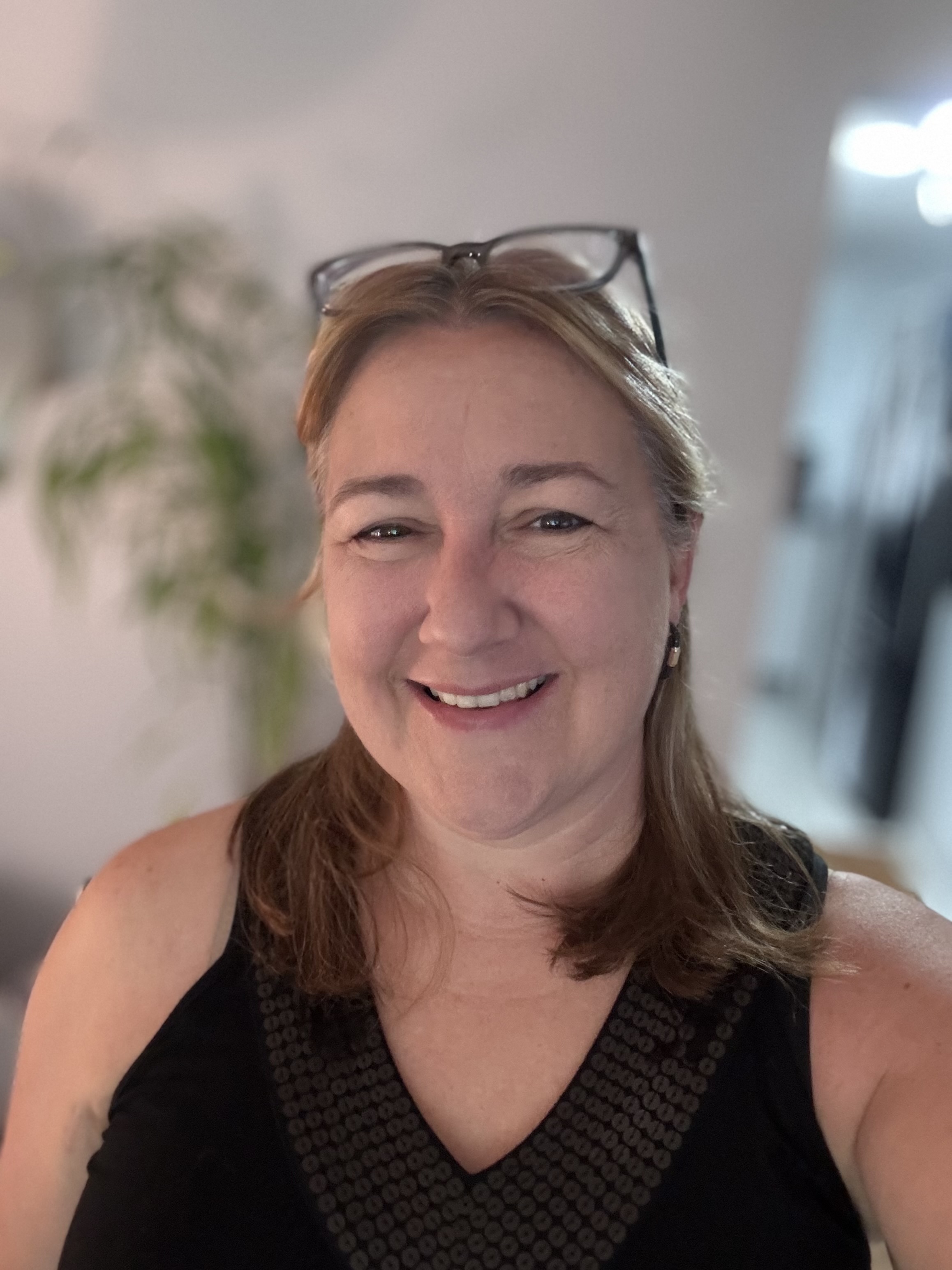
Writer
Tracy Smith, PhD writes narrative nonfiction examining identity, belonging, and the patterns we carry from place to place. With a background in educational psychology, her work pairs lived experience with sustained inquiry, tracing how movement, risk, and reinvention shape who we become.
She is the author of The Purpose of Getting Lost, a memoir that began her exploration of movement and identity. Across more than 30 countries and five continents, travel became the terrain where many of these questions first surfaced. Today, her writing follows those patterns wherever they appear—abroad and at home.
Through essays and long-form narrative, Tracy explores how we negotiate belonging, how we respond to change, and how we construct a sense of place in an unfamiliar world.

