Understanding the Complexities of Attraction: Healing Through Relationships
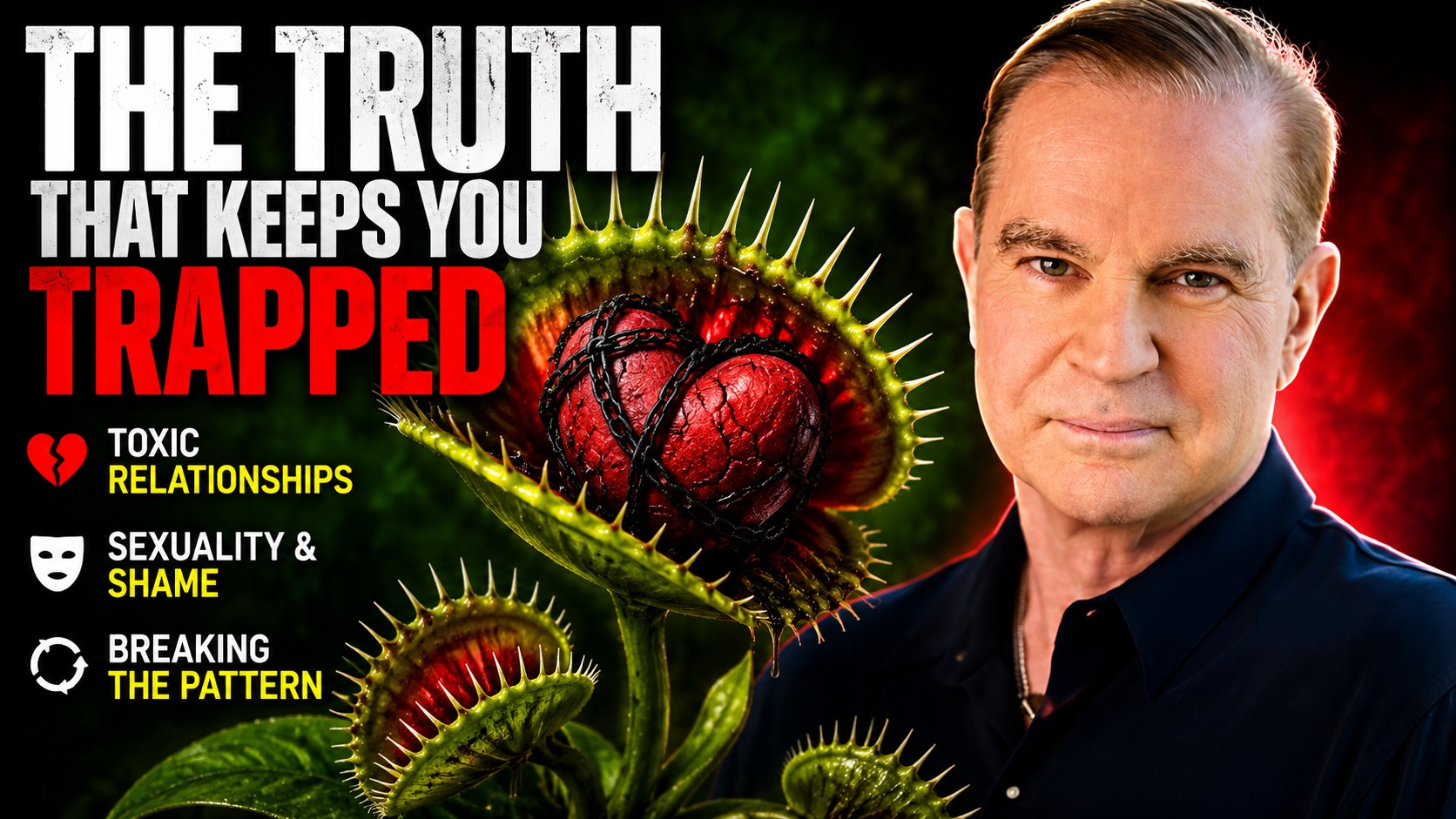
Have you ever looked back at a relationship and thought, how did I ignore all those red flags? Why do some people feel like home while simultaneously destroying your peace? In this post, we’ll delve into the complexities of attraction and emotional patterns, exploring why we often confuse emotional intensity with love.
Tonight's conversation isn’t just about dating; it's about power, attachment, identity, desire, and shame. We’ll unpack why humans sometimes tolerate dangerous situations just to avoid feeling alone, and how these dynamics can lead to toxic relationships.
Attraction is a fascinating but often misunderstood phenomenon. Are we drawn to other people, or are we more attracted to the unresolved parts of ourselves that we see reflected back?
According to Dr. Stephen Paul Edwards, relationships often serve as mirrors, reflecting unresolved issues we need to confront. When you're in a toxic relationship, the common question is, "What's wrong with me?" However, the truth is, there’s nothing wrong with you. Instead, you might find that this relationship is a call to heal.
Relationships can help us see parts of ourselves that need attention and healing. This, however, does not mean the process will be easy. Pain is often part of the journey. Dr. Edwards emphasizes a powerful mindset shift: instead of viewing situations as happening to you, consider them as happening for you. This perspective can transform your experience from one of victim hood to empowerment.
Our emotional responses to relationships can often be rooted in past experiences.
When faced with relationship challenges, you have a choice: to be wounded by the experience or to seek the wisdom it offers. Recognizing this choice can help you break free from cycles of pain. By reflecting on our past, we can uncover patterns that may be influencing our current relationships. This involves asking deep questions about why we attract certain types of partners.
Attachment styles play a crucial role in how we engage with others. Understanding your attachment style can provide insights into your relationship dynamics.
Identifying Your Attachment Style
1. Secure Attachment: Individuals with this style feel comfortable with intimacy and autonomy.
2. Anxious Attachment: Often characterized by a fear of abandonment, this style may lead individuals to cling to partners, seeking constant reassurance.
3. Avoidant Attachment: Those with avoidant styles often struggle with emotional intimacy and may withdraw in relationships.
4. Disorganized Attachment: This style combines both anxious and avoidant behaviors, often stemming from unresolved trauma.
Understanding your attachment style can be the first step toward healing and breaking free from toxic patterns. Dr. Edwards shares a personal story about how he recognized his attachments to material possessions, which ultimately led to emotional pain.
Realizing that possessions can possess you helps to free you from the emotional burdens they carry. This understanding can lead to a healthier relationship with yourself and others.
- Reflection is Key: Take time to reflect on your past relationships to understand your emotional patterns and attachment styles.
- Shift Your Perspective: Instead of asking, "What’s wrong with me?" consider what this relationship can teach you about yourself.
- Let Go of Attachments: Emotional and material attachments can cloud your judgment and hinder your growth.
By recognizing and understanding these dynamics, you can begin the journey towards healthier relationships and emotional healing.
In conclusion, understanding the complexities of attraction and our emotional patterns can empower us to make healthier choices in relationships. It’s essential to approach these reflections with openness and a willingness to learn. As you navigate your relationship dynamics, remember that healing begins with understanding yourself.
Read Dr. Stephen Edward's book: The Venus Fly Trap: Sex, Lies, and Repercussions (2 book series)

Host/Travel Advisor/Author
Shannon is the heart behind TTS. A storyteller and traveler at soul level, she believes journeys—both across the world and within ourselves—have the power to heal, connect, and transform. Through honest conversations, she creates space for stories that inspire reflection, resilience, and connection. Based in Texas, Shannon brings a deeply personal and authentic voice to every episode. Her journey has been anything but ordinary—growing up in a large adoptive family, navigating trauma and healing, and ultimately finding her way back to herself through personal growth, reflection, and connection. With a background in healthcare and years of experience in administrative leadership and travel advising, Shannon combines organization, empathy, and curiosity to create meaningful conversations with guests from all walks of life.
Her mission is simple but powerful: to create a space where people feel seen, heard, and reminded that they are not alone. She is Gen X, mother of 2 and currently working on her memoir. Her hobbies are travel, reading, and baking!
Healing One Step at a Time: Rand Timmerman’s Appalachian Trail Journey