Apple Podcasts
 Spotify
 Youtube Music
 Across Africa in a VW Bus: Adventure, Famine & Witnessing History (feat. Barry Maughan)

What does it mean to truly witness the world?
In this episode of Travel Time Stories, we sit down with veteran broadcast journalist Barry Maughan, whose life and career were shaped by decades of reporting across the African continent.
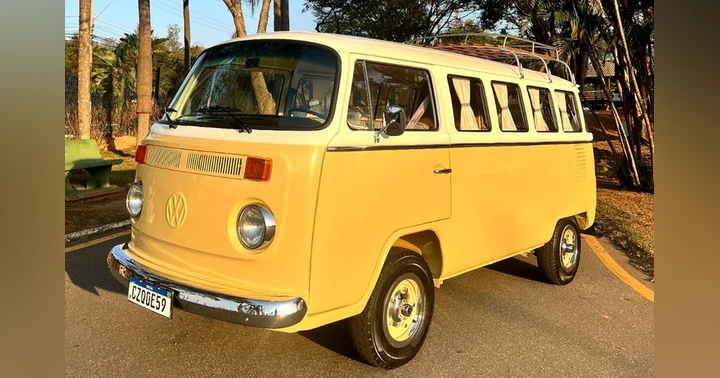
Barry shares the extraordinary story of traveling the length of Africa with his wife in a Volkswagen Kombi bus, journeying from Egypt to South Africa and visiting fifteen countries along the way — an adventure that would forever shape his understanding of the continent and its people.
But his time in Africa was about more than travel. While living and working in Ethiopia in the early 1970s, Barry was one of the few journalists reporting on the historic coup that toppled Emperor Haile Selassie and among the first to bring global attention to the devastating famine in northern Ethiopia that claimed hundreds of thousands of lives.
In this powerful conversation, we explore:
🌍 What it was like to drive the length of Africa in the 1970s
🚌 Life on the road in a Volkswagen Kombi bus
📡 Reporting on the Ethiopian revolution and famine
📰 The responsibility of journalists to bear witness to history
✈️ Barry’s philosophy on meaningful travel
His memoir, Beneath the African Sun, captures these unforgettable years — blending adventure, history, and the human stories behind the headlines.
This episode is a reminder that travel can do more than show us the world — it can help us understand it.
Find out more about Barry & his book: https://www.barrymaughan.com/
Ready to join The Story Circle: https://www.traveltimestories.com/join/
Our Website: https://www.traveltimestories.com/
Tell us in the comments: What place in the world has changed how you see life? #africatravels #travelhistory #Journalism #ethiopiahistory #travelstories #traveltimestories #traveltimestorieswithshannon #wanderlust #serendipity #podmatch #worldtraveler #newpodcastepisode #tunein #travelpodcast
SPEAKER_01
Every journey has a story, and every story has the power to heal. My story hasn't been ordinary. I was adopted, I'm a survivor of abuse and trauma, and I have more than a dozen siblings. That's just the beginning of my story. Life has taken me on a long and winding road of healing and personal growth. A journey that ultimately led me back to myself and the path I was meant to walk. Along the way, I discovered that stories have power. The power to connect us, to help us grow, and even to help us heal. This is Travel Time Stories with Shannon. Real journeys, real stories, and real healing. Imagine driving the entire length of Africa in a Volkswagen bus, crossing deserts, borders, and cultures most people only read about.
SPEAKER_03
Our guest today did exactly that. But his journey wasn't just an adventure. It placed him at the center of some of Africa's most pivotal moments in history.
SPEAKER_01
Today we're talking about travel, journalism, and what it means to truly witness the world. Welcome back to Travel Time Stories with Shannon, where real journeys meet real stories and healing happens one conversation at a time. I'm your host, Shannon from Texas. Some weeks I play solo and talk about my own life story of travel adventures, personal healing and growth. And other weeks I'm joined by my best friend Ann.
SPEAKER_03
Hi everyone, I'm your co-host Ann from Missouri, and we sit down with inspiring guests who share their insights, expertise, and personal stories to help all of us along our own journeys.
SPEAKER_01
And today's guest has a truly remarkable story that spans journalism, adventure, and decades of connection to the African continent. So grab your favorite beverage and let's get into it.
SPEAKER_03
Joining us today is Barry Maughn, an international broadcast journalist whose career spans more than 40 years and five continents with a particular focus on Africa.
SPEAKER_01
Barry lived and worked in Ethiopia in the early 1970s as a broadcast and print journalist, where he reported on the historic coup and helped bring global attention to the devastating famine in northern Ethiopia.
SPEAKER_03
In between his years in Ethiopia, Barry and his wife embarked on an extraordinary overland journey across Africa, traveling from Egypt to South Africa in a Volkswagen combi bus and visiting 15 countries along the way.
SPEAKER_01
His memoir, Beneath the African Sun, shares the powerful stories from those early years, both the adventure and the responsibility of bearing witness to history.
SPEAKER_03
Barry, we're so honored to have you with us today.
SPEAKER_00
Well, glad to be here, Shannon and Ann. And uh, you know, um, all I can say is uh fools venture in where angels fear to tread sometimes.
SPEAKER_01
That's so true.
SPEAKER_00
As I will point out.
SPEAKER_01
So, Barry, let's start this conversation with what sounds like an incredible adventure. You and your wife traveled the length of Africa in your Volkswagen combi bus from Egypt all the way to South Africa. What inspired you to take that journey?
SPEAKER_00
If you can call that an inspiration. Um in a in a nutshell, um, we had uh been working in New York City with our children at the time, and uh we're going really nowhere in our careers. Uh they weren't uh really what we were looking for, all tumbled. And uh we said, well, if we're gonna travel, we both had the the wonderlust, then let's do it now. And uh uh to our uh parents' consternation, uh we decided that we would get on a tramp steamer and go to Antwerp. But before then we had uh uh purchased a Volkswagen combi bus from Wolfsburg, um, Germany. So uh we landed uh uh in Antwerp and uh with our uh five or six huge duffel bags, and uh I have a picture in the book of uh my wife uh then uh having the task of somehow stuffing all that into the Volkswagen combi bus. But anyway, uh we uh spent uh the next few months, a wonderful months, uh touring around uh Europe, um, you know, Austria, Switzerland, uh, the UK, uh France, Germany, and ended up in Norway, where it started to get a little chilly, and we said, huh, we've got to find somewhere to uh to um spend the winter. Well, Portugal and Spain were the favorite spots, but then someone said, How about Morocco? And they said, hmm, okay, well, that could be another adventure. Um, why don't we land in uh Alexandria, Egypt, and then we'll uh uh turn west and uh drive across Libya, Algeria, Tunisia, or Tunisia, Algeria, and then Morocco, and we'll winter there. So we decided, but before we do that, we'll just go on a on a uh a cruise liner and uh we'll put Bridget on board, which is uh name of our combi bus, and uh let's just uh do a little touring beforehand. Well, we uh landed in Alexandria and uh decided, well, we'll get our documents in order, which we had done previously, all the visas and the carne de passage, which we had to have for the uh combi bus, which just means that uh uh you uh legally responsible for if you do sell the uh the uh combi in this case in within the country that you will pay the taxes and everything. Anyway, um day before we were ready to set off across our journey across North Africa, uh uh a chap by the name of Marma Gaddafi uh decided to stage a coup against King Idris and close the borders uh for the foreseeable future. So that marked paid to that, and uh there we were in Alexandria. See, that's serendipity. There we were in Alexandria with um, but luckily, another serendipity, I had met a general on board the uh cruise liner, and we got to talking, became pretty good friends, I might say, uh, general, Egyptian general, uh, and that part of the world at the time. Uh generals were a dime a dozen. I didn't think anything of it, but I always thought, well, there's a lot of military men hanging around this chap. So, but he portrayed himself as the president of the Young Men Muslim Association. Hmm. I thought, well, you know, just like the YMCA president here in the United States. Wrong. So uh, but he did as a way of um kind of um ending the conversation and say, well, if you're ever in Cairo, look me up. Well, when we Gaddafi uh mark paid to us going across the littoral, uh, we said, well, look, why are we going to turn tail? Because that really would have been an anathema to turn tail and go back to Europe. Let's just at least see the pyramids and uh a little bit of Cairo, and uh, which we did, and uh show up at the offices of um uh who turned out to be uh Ibrahim al-Tahoui, and I'll tell you what his position was in a minute. And um we were having trouble finding uh accommodation for the combi bus. And um, so I said, well, maybe he can help. Well, I thought, well, nothing ventured, nothing gained. Show up at his offices. Oh, his offices were like the you might have one office assistant, and he had like about six or seven, and I figured, hmm, this guy may be something special. So uh I presented the card, and I thought, well, I'll cool my heels for half an hour, and he'll eventually come out and say hi, and now I can't help you. That was just a way of getting rid of you. He comes out and abusively hugs me. Oh, Barry, you must come in, you must meet some friends. Well, it turns out this Ibrahim El-Tahwi was the right-hand man to President Abdelgamul Nasser, the president.
unknown
Wow.
SPEAKER_00
And I walk into the office. Oh my gosh, I'd like you to meet some of my buddies who just kind of hanging out and with uh adult beverages and snacks. And uh, here's Mahmoud Fowzi, he's the minister of war. Oh, and here's so-and-so minister of health. I met half the uh Egyptian cabinet just hanging out. Well, I thought, oh boy, we're gonna be talking politics and economics. No, oh, that just well what what would you ever like to see in Egypt? Well, I said, of course, the Sphinx and the pyramids and the Cairo Museum and da-da-da-da-da-da-da-da-da. Ibrahim says, right, hang on a minute, picks up the phone, spokes in Arabic, and I just know enough Arabic to be dangerous, and uh in comes this, I turned out to be a Lieutenant Bazri. I said, now, Lieutenant Bazri is going to be your guide for as long as you want. Well, what do you mean? Well, first of all, we're going to put you up in the Gazeera Club, which is a very posh uh tennis uh affiliated um resort out on one of the Nile Islands, and you'll have your own private digs there, and the combi bus will be too well taken care of. And uh he said, um, now you've said that you wanted to see all these things. All right, every morning at 8 a.m., Lieutenant Basri will pick you up in an air-conditioned limousine, and he will take you to all these places you ever wanted to do. Free. And so it was like a magical carpet ride for the next 10 years. You know, I mean, uh, and that was another serendipity, you see? And and uh look, I've never been afraid to talk to people. But you know, there's no harm in saying hello to people. 90% would be very friendly, the 10%, maybe they've got something on their mind, they just don't want to talk. That's fine. But if I hadn't opened my mouth, then none of that would have happened. Exactly. So that's that's the opening gambit.
SPEAKER_01
Wow, that's incredible. It's like you found your own genie in a bottle.
SPEAKER_00
Amen. Right? Amen. And and I must say, just to carry it beyond what we're gonna talk about now, we became fast friends. And every time I went to Cairo on assignment, I hooked up with uh Ibrahim in either his apartment or his house, and met his family. And when he passed several years later, I mourned because we had become very good friends. More than just acquaintances. We'd become very good friends. Wow. So sad that you lost him. Yeah. Well, I mean, he was he was considerably older than my at uh at the time. But um so after we got through that, I said, um, well, we're this far. A friend had said, well, if you're ever in your one of these deals, if you're ever in our neighborhood in Addis Ababa, Ethiopia, look me up. Huh? Well, I said, well, I'm gonna take him up on that offer. But how to get from Cairo to Aswan? Because this was during the time, the War of Affinity with uh Israel, one of many wars, as you know, that the Egyptians and the Israelis uh fought down through the years. And he said that that's going to be a problem. Uh they won't allow you to drive down there because um what they used to do is they would used to uh park their, the Egyptians would park their MIGs out on the roads, uh, making it a little more difficult for the Israelis to bomb them. So that was very uh off limits. But he said, what I'll do is I'll buy you uh two first-class tickets to Eswan, which was about 500 miles south near on the um Sudanese border, and we will put Bridget on the first troop train going down that way, and we'll put an armed guard on it. Well, bye-bye, off we go, we're getting a luxurious train, and down we go to Oswan, and then we're every day with two or three days, we're looking out there, and in hoving into sight is Bridget on top of a flat car, and then this guy with a with a with an AK-47 at the right sitting on the front bumper, and he was guarding Bridget. And so, but after that, we were on our own. It was like a fledgling, you know, being kicked out of the nest. Like suddenly I didn't have Ibrahim to help me, but you know, we were in for a penny, in for a pound, because there was no going back. And so it was now our course to make it down to uh Addis Ababa, Ethiopia. And I must say, uh that tour in uh Ethiopia uh changed the course of my uh journalistic career. So another serendipity.
SPEAKER_01
Yeah.
SPEAKER_00
Everything happens for a reason. Amen. Amen, Ann. I I I truly, I truly believe that, and uh I always say to people also that you've got to meet people as you find them. You can't go in as the big shot and start throwing your weight around. And you have to be humble. You you have to look for the best in people, and if you look for the best in people, then you will find it. And I always say to people, look, um how how did you find things? Well, the government's uh not so good, but the people, oh, fantastic. They would, if you're out in the desert and you came across the humblest of people, they would give you half of what they didn't have. And then they would just go out of their way. Many, many times we were stuck. We did there were no roads back then. I mean, there were mud tracks, as the pictures in the um in the book will will show. But just when we thought we were stuck in the mud and and couldn't push our way out, out of the villages, out of nowhere would come people. And they would laugh and they'd push and push and get us through there and whatever, and were almost, you know, upset when I tried to uh give them some sort of recompense, you know, uh a little money, a little, you know, whatever. No, no, no, no, no, we we were having fun. You know, well, they didn't say that, you know, their English was not all that good, but I understood what they were saying is we're just having fun, helping you out. You know, and yeah, and don't tarnish it by with the monetary consideration.
SPEAKER_01
Yep, exactly.
SPEAKER_03
As you mentioned, traveling across 15 countries over land of course is no small undertaking, especially in that era. You know, we didn't have GPS, you know, all our cell phones, whatnot. What was the experience like day-to-day, especially once your one-year-old son joined you?
SPEAKER_00
Very, very good question, Ann, and I was going to bring that in because when people asked me today, well, would you do it today? Uh, one of the reasons I wouldn't do it today is because it wouldn't be such an adventure. You didn't have, as you rightly said, Ann, you didn't have the electronic tethers. You didn't have sat phones, you didn't have cell phones, you didn't have, you know, all the things, the GPS that you have today. You know, it was um a Michelin map. If you happened to have one for East Africa, that would help a little bit. Uh, but what do you put on maps if there are no roads? You know? Right. And then and then and then it was my wife, the book is dedicated to, uh, as is my one-year-old son, who traveled with us from Addis to um Cape Agula, South Africa. It was a matter of my wife having this uncanny ability to to sense directions, and she would just look up at the sun and say, uh, we should be going in this direction. So, I mean, it was really feeling your way from stop to stop to stop to make sure that you that you weren't too far off off track.
SPEAKER_03
So once your little man joined you, uh I'm sure that that changed your trip quite a bit, right? Yeah, it did.
SPEAKER_00
And for the better. A lot of people say, Oh, how could you how could you travel with a one-year-old? He celebrated his first uh birthday in the uh the little uh game park outside of uh Nairobi, Kenya.
SPEAKER_03
Oh wow.
SPEAKER_00
But everywhere we went, he was our goodwill ambassador because he was a toe head. He had blonde hair, blue eyes, very fair, you know, and um let me let me give you one example and it's in the chapter Oneness of Love. And it's probably my fab my best example of the beautiful people of Africa. We'll camp somewhere and for lunch, and uh we were not uh antisocial, we just wanted a quiet spot. But in Africa at the time, you're never alone. You may think you are, you may scan the horizon and uh and you think you are, but then almost miraculously out of nowhere, people standing around very, very uh nicely, you know, no uh animosity, just curious. So there was a ring and we're in an area of um southern Sudan, northern Kenya, uh populated by the uh Dinka ethnic group, which are Nagnotic people, they're tall, aquiline, uh aquiline features and whatever. Very dark. Anyway, um there my wife, uh Suzanne, had Kevin on her back, son Kevin, and um because he had his little hat on because you know, for the sun, and she's getting lunch ready, and I'm just kind of standing around doing nothing like I always did. You know, she did all the work. Anyway, um there was one woman who had a baby about the same age as Kevin, and she was just mesmerized by Kevin. I'm not saying one of these, well, it's the first born child she ever saw. I don't know, you know, but she was mesmerized, and she slowly came over, and you know, it's funny how um um people can tell if there's any danger. My wife didn't feel that. Kevin didn't feel it, she didn't feel it from us, and she came over and so lovingly reached out and just stroked his side of his face as as if she would do her own child, you know, and and and then um they exchanged babies and it was an iconic moment, and people always say to me, Well, why didn't you capture it on film? Well, this was not the era, as you rightly pointed out, Ann, of um cell phones where you can do a surreptitious pip pip pip pip. Yeah, this was single lens reflex time. Ah, I gotta get the f stop right, and and I gotta do this. I gotta no, no, no, no, because that would have spoiled the moment. And it didn't last all that long. It was just a few seconds where they were holding uh each other's baby, and then it the moment evaporated. But it's uh it's probably the the seminal moment of the whole trip because it just epitomized what I always say to people the ethnicity might be different, the culture might be different, the Religion might be different, but boy, just right under the skin, we're all the same. And this was epitomized. We're in the back of beyond of Ethiopia out near the Somali border, and I just happened to have uh an interpreter with me because I was on assignment. And we're talking to this family in a little tukal, which is around, a little hut that uh Ethiopians uh in the uh rural areas um live in. Anyway, we're sitting there talking, and of course, they had given us half of their meal, which they probably needed for uh several days, but uh we were sharing, I mean we were sitting around. And I asked him through the interpreter, what do you want out of life? Talking to the gentleman. And he says, I want three meals on the table each day for my children. I want a better life for my children, I want as little government interference in our lives as possible, and I don't want my sons going off to fight and possibly die in a foreign war. And I just said to myself, duh. Isn't that what I want? Isn't that what most people want? Yeah, you know, that's what we all want. So I I mean I got a lot out of traveling in Africa, but I got a lot more from them. And um that's what the book is all about. It's not a Mondo Khani type of look at these uh unwashed individuals and whatever. It's almost uh my uh love affair with with the continent. As long as you prepare, we met a lot of people on the road stuffing grass and tires because they didn't have the proper tires, they they didn't have the proper equipment to take with them, like extra tires and uh and extra uh chains and whatever. You've got to be prepared because that continent will chew you up and spit you out. It really will. It's tough. It's tough. It's tough on the uh individuals that are not prepared, and it's tough on vehicles that uh you are not prepared for the worst. You've got to look at the worst case scenario and be prepared for it. And so, yes, the continent is tough, but the resilience of the people and the beauty of the people are uh just uh it's phenomenal. It's amazing.
SPEAKER_03
What a story. Wow.
SPEAKER_01
I I tell people that everywhere I've I've traveled, that's the one common denominator, is that people are just people. We're all the same, no matter where you travel to. We all want the same things, we all, you know, want to help and love each other.
SPEAKER_00
Right. And you know, I I got that sense of um not gentleness, but there's when I lived in Ethiopia during the uh creeping coup that um uh uh ultimately unseated the emperor, who had been around for goodness knows how many, 50, 60, 70 years. But anyway, uh there was only a less than a handful of us embedded in the foreign journalists embedded in the country because we were all working for uh Radio Voice the Gospel, which is a local international radio station in uh Addis Ababa. And um I happened to work at as a freelancer for um like Financial Times, The Voice of America, New Zealand Broadcasting, uh anything to turn turn a dollar, you know. You know. But even during the coup, we would hear from the compound all heck breaking loose each night, where the factions would fight each other and kill, and we'd see trucks just gathering up the bodies in the next. As that there was always a deference for, as they called pharynges, as long as you didn't muck in, you didn't you didn't try to get involved. Good example. I used to have to travel about five miles each night from the compound, RVOG compound, to where I filed my stories in the center of Addis. And uh I was told when things started to get um a little hairy, okay, these are the rules. Never more than 20 miles an hour, always with the inside light on, always have your documents, proper documents, and when there's a roadblock, you stop and you obey the the major, generally a major who would be in control of the uh roadblock. And uh this went on night after night because when when the uh creeping coup gathered steam, people were very interested in Ethiopia. I think it was the mystique of the emperor, the line of Judah, uh the speech at the UN back in the turn of the century, uh, past century. And and so I I had uh uh a drumbeat of report of reportage to carry on each night. But as long as I followed the rules, stopped every night, the different places. I always changed the uh roadblocks around. But um major would come over very deferentially. Uh to nastalink, hello in Amhara, Tenastalink, Danana, you know, what are you doing here? Oh, I'm a journalist. Here's here's my credentials. Um, would you step out, please? Sure, step out just to look me over, I'd just take a look in the uh my car, and there would be um two or three soldiers with AK-47s uh trained on you. But I never felt afraid because uh the Ethiopian, the Amharic people are very gentle, civilized, if you will. Now, contrast that with when I had to go on assignment into Uganda, and this was the era of Idi Amin. Well, you didn't know what to expect. He would look at you the wrong way, and you could be marked for assassination.
SPEAKER_02
Okay.
SPEAKER_00
But but during that entire two or three years of the creeping coup, as we called it, uh, I never felt once in fear of my life. Now, there was one time I I I used to go out with a um, it was then the first secretary of the British Embassy, Ian Murray may rest in peace. Wonderful, wonderful friend and colleague. And we would go to little um, well, you would call them, we call them Tedge Baits. It just means little cafes, but kind of in the seedy part of town. And we talked to shadowy uh officers who we thought were involved with the coup because no one knew for sure. And anyone who tells you otherwise, uh-uh, they weren't there. Anyway, so we would we did this for a month or so. And uh so one time I'm in my office and I get a call from mean. He said, Come to my office. And we're generally pretty jovial with each other, and I said, Come to my office. He's dead, really serious. I said, All right, get over here right away. So I drove across town to the British Embassy and came to his office. And he didn't say a word, he just slid a manila envelope over to me. He says, Open it up. And I opened it up and out rolled a 45-caliber bullet. Now, at the time, the Emperor still had his Stasi, East German security force guarding him. And we can only surmise, because we never had proof, that while we were watching the officers, Stasi was watching us. And this was their warning that the next one will go in you, and that was the end of that, because we weren't going to play heroes. We both had families and the whole thing, we would get to the story another way. So uh, but even so, they they gave a warning. And uh I I never felt I never felt uh a fear of my life. Another time uh I had um got a story um about um a place burning down. I won't go into all the details of it too long, but and I aired it on the uh at the 6 o'clock news, broadcast it. Luckily, I got it cleared through the sensor. So I had all my paperwork, but well, I no sooner got off of the air and a Jeep full of officers pulled up in front of the station and um never grabbed me. I won't say that, just uh asked me to come with them very civilly. So I was bundled in. I said, may I make a call to my wife, tell her I'm not coming home for a while. Yeah, yeah, so I made the call. And up, and there's a place, an infamous um palace in um Addis Ababa called the Gibby. Well, the Gibbe is uh has a notorious reputation because in the past, a lot of people who uh go there and never come out. So anyway, I'm ushered into this very plush office, and I'm thinking, oh my word. Anyway, in come these uh look-like colonels and generals, and uh they said, okay, let's see your paperwork. Oh, okay, I think you're good to go. I said, may I ask why I'm here? He said, well, there was an erroneous report that you broadcast that this place burned down, and it was uh actually some other place that burned down, and that is a very, very sensitive place to our government. And one was tobacco and tobacco monopoly. Well, the Reuter correspondent, bless his heart, was in his cups and he confused the two. He reported it. I duly put but I got it cleared for the censor, and as long as I had my paperwork correctly, oh, I'm very sorry, Mr. Mohan. Um we'll we'll drive you back to your your house and uh we I'm sorry for the misunderstanding. You see, that would not happen with the the with an idiomine or someone. So uh it was a hairy uh time. But uh halcyon days, if you're starting to kind of build a journalistic reputation, because you more or less had the field to yourself. I had uh a few competitors, worked for the BBC, and I worked for the VOA, and and there were a couple others who worked for Deutsche Vela, uh the German news agency, and uh uh I think uh Pravda had a person there, the uh the Russian uh news agency. But by and large, um we mined our P's and Q's. We we we had to be very, very careful with our reportage because while the emperor was uh still in power, though his power was very becoming more and more limited, um they could deport you if they didn't like your reporting. So it taught us uh another aspect of journalism that uh you have to be you have to measure your words, and every word that you write or say is very important. As it is in any profession, you just have to be very, very careful. Yeah. Very precise.
SPEAKER_01
Before we continue, I want to share something really special we've created for this community. If you've ever listened to an episode and felt something deeper, like a moment that stayed with you or a story that made you reflect on your own life, we wanted to give you a place to go with that. We've officially launched our Travel Time Stories membership where you can go beyond listening and become part of the experience. Inside the membership, you'll get access to the Story Circle, our private community where we reflect on each episode through guided journal prompts, share our stories, and connect through monthly meetups. There are also additional tiers with opportunities to go even deeper, from storytelling and sharing your voice, to being part of the creative journey behind the scenes and joining us on our yearly group travels. If this speaks to you, you can join us through the link in the show notes or visit our website, traveltime stories.com. We would truly love to have you join the communities.
SPEAKER_03
Exactly. I was wondering, uh, you know, while you were in Ethiopia during your time there, you witnessed one of the most significant moments in Ethiopian history, the coup that toppled Emperor Haley Selassie in 1974. What was it like reporting on such a dramatic and uncertain moment in in history?
SPEAKER_00
Well, it was it was uh it was a daily adventure because um being the um international radio station uh under the uh tutelage and the um protection of the emperor, when he started to uh lose power, then uh that was limited as well. But then we would start getting um these um edicts, these uh announcements every day that we had to broadcast. They were coming from this shadowy group. And uh at first it was, you know, Ethiopia ticktum, uh, long live Ethiopia, da-da-da-da-da, and long live the emperor. And then about two months later, you'd have that same diatribe, but then no longer long live the emperor. And then so you could tell that the coup was gathering steam just by this. And uh so I just kind of kept them uh in a box under my desk. And um various journalists who have written about the coup have uh have been given access to them because it was an unfolding of the um of the coup by a day-to-day uh look. Unfortunately, um, or fortunately, you would have some organizations like the BBC and all that, they would uh fly in people and they would use uh local talent uh as uh someone to bring them up to speed. So you'd sit down with them, you'd be paid for this as the man on the uh on the scene, and you would go through the story. Then you would have other organizations, the person who flew in tried to tell you more about the story than you knew yourself, okay? Or you would have people, well, I guess I will say um the organization was uh Newsweek, and the journalist never left the Hilton bar. So uh I met him there, and um he was in his cups, and he said um in uh in a slurry voice, well, if you had to write the lead for something like this, at the next edition, what would you say? I said, ah, I just off the top of my head, because I want to be done with this guy. I mean, he's uh just uh opposer of the creeping coup and offices and all that that. Well, the next edition. There it was. Almost word word for word.
SPEAKER_01
Oh my god.
SPEAKER_00
So so there's there's been a law of uh misconceptions about um who um started the coup, um how it evolved because of um poor reportage by by people like that. But um by and large, the people I work with uh worked very, very uh assiduously to to get it straight, to get the story. But it was very difficult because it was like uh trying to um grab mercury. It kept going through your hands. You you you couldn't pick it up. It was all over the place. So that's why you cultivated very good sources like the aforementioned Ian Murray of the uh of the British Embassy. And um it but it was exciting, was demanding, and ultimately um very satisfying when you got it, you got it right or as right as anyone could could get it. And you can go back and look at your reportage um from start to finish and say, hmm, yeah, I I think I did did my best. And that's that's all you can can do in a situation like that. Um because if if you get too nosy, then one of those bullets that was uh sent to us in the mail uh or dropped off at the embassy uh would end up in in you.
SPEAKER_01
Right. So another deeply significant part of your work was reporting on the devastating famine in northern Ethiopia. And for many people around the world, journalists like you were the first to bring attention to that crisis. So do you feel the weight of being one of the few journalists telling the world what was happening?
SPEAKER_00
Oh, definitely, definitely, yeah. And and I must say that the um I wasn't alone, though uh if uh I'm swarthy in complexion, so I I was able to um, through my connections with the the aid organizations, uh hitch a ride up there uh as long as I didn't open my mouth and I had the proper credentials and uh knew a little Amharic to get by the roadblocks because the Emperor, the Garden of Eden, there's nothing ever wrong in the Garden of Eden. And so he didn't want anyone knowing about the drought. And that's what made it so devastating because he kept international aid organizations out. So I wasn't one of the first to go up there, and it it it it's as a journalist you learn that you see and experience a lot of things, but you've got to have almost like a an outer shell. Uh otherwise you you can't be objective. And uh but as we got closer to Wallow Province, you would see old men and women just sitting by the side of the road supplicating, just chanting for in Amharic for food and and whatever. And you'd see animals um half dead and people hacking off you know, things off of the the flesh off of them to eat. And and then we got to the um one of the feeding stations in uh uh Desi. And um the thousands and thousands of people just milling around trying to get at the grain that had been locked away. Why was the grain locked away? Because it was impregnated with herbicides and insecticides for the next crop, or hoping when the rains came that they could then plant this. And it would have killed the people if they could get at it. And you had the soldiers whipping them back because of the frenzy trying, they the people could see the bags of grain in there, and they wanted at it. So we were in the midst of all this, and uh, luckily had um one of my handlers with me who. spoke I'm Harak obviously and um there was this woman who appeared out of nowhere with this emaciated baby I mean more more skeletal than alive and I rolled down the window and she instinctively just thrust the baby into my arms oh my gosh and my handler said you can't keep that baby I said why not I can I can do for maybe take it somewhere in the hospital no no no no no no you can't do that you must give that baby back and um I did now I did snap a picture and it went viral as the young kids say nowadays and um it was picked up by AP and UPI and and whatever um but only to find out 24 hours later the baby was was dead from malnutrition. But I would hope that that picture helped I believe that through the ones that really blew the lid off the story because a picture's worth a thousand words. Yes and Jonathan Dimbleby of the BBC and people got wind of this and got in there somehow and the lid was blown off and I, you know, and this this uh cracked the facade that the Ethiopian government was trying to portray that nothing bad ever happened in the Garden Eden, the land of Solomon and Sheba, you know this, you know. So I we did we did place our careers on the line because we worked for a Christian radio station and our feeling was we know what's going on up there a few hundred miles to the north how can we as Christians sit down here and broadcast though we were not there to uh spread the gospel we were there to get the the news get the audience so we were hired as journalists not as missionaries per se but just to know that that was happening up there our journalist instinct says we must get that out to the world and the station said well you'll be in violation of your contract because they were they were beholden to the emperor you see and so uh we the only way we could do it is one would um we had a small staff we would uh ask our fellow journalists if they would cover for us for our shifts and so we could go up for a few days and and uh do the reportage and then we would do likewise for them but um yeah uh my hats off to um Jonathan Dimbleby and the power the power more the power not the individual but the the medium the power of television that picture worth a thousand words uh but I think that we we did play our our at the embryonic role of at least bringing it to the attention of the television people who then blew the lid off the uh off the story but um that was the one time as you probably noted even now it it's very very hard you think you're uh battle tested and uh cynical journalist but you're also a human being and uh it seeing seeing that and uh it it the the the scope of it with through the interpreter we talked to this old man and he asked well is this all the people who have been affected by the and he pointed out that was the surrounding mountains and he says these are the lucky ones many many thousands could not get over the mountains to even get to the feeding stations or get to the road so that that was uh that that was that was a toughie but but we we we I speak for them as well because it's a brotherhood we did uphold uh the finest tenets of journalism that uh we put our careers on the line uh we could have lost our jobs and um who knows where we would have gone after that but we and uh this is not the big the great I am no I was just doing my job yeah yeah a job of journalism and uh that's that's what we have to strive for as journalists. We have to be objective and hardworking and to be the eyes and ears for people who um who can't be there themselves who might be interested in helping or at least knowing about it.
SPEAKER_03
I'm not even sure how you processed what you were seeing to be honest with you.
SPEAKER_00
It's it's tough. It's tough but uh you know you you have to process it otherwise you can't do your job effectively because um the next day there's going to be another story. There's gonna be a story you know the uh 50 uh British school kids on their way from Kenya to London and um landing in Atis and uh the plane uh cracks open and um you see the kids running from the plane one minute white the next minute black because uh jet fuel you can't see you can't see jet fuel and and you're there trying to cover that you you and you have to it's it's nothing that any journalist of longstanding hasn't had to go through and uh doesn't make me any better than them it just means that um yeah I've seen I've seen a few things yeah yeah exactly because it's important for the world to see and understand these realities right and they you know okay they may uh empathize uh with uh the boohoo and and whatever but that's not your job your job is is to because once you become too emotionally connected you lose objectivity and the main thing is to maintain your objectivity and once you go down that road you can't yes I allow myself to to shed tears but my next report was okay you know she was there and this happened and that happened and the baby died and uh da da da da and you just that's the way you have to approach it well you've said that Africa is truly in your blood after spending so much of your life connected to the continent what does it mean to you personally well it's it's in my blood literally and figuratively literally it's uh I have um malaria and I've had leshmiaasis and typhoid and uh paratyphoid oh my goodness you know um it means a lot to me but it also has meant a lot to my children uh Kevin uh both my children were born in Ethiopia um and growing up as minorities has helped them understand the workings of the world and where they have the place in the world all their all their friends growing up Mooti and a lot of other ones were African no big deal that's just how it was and that's held them in good stead. My son has uh opened up uh offices in places as like for instance India and landed in Delhi and um he'd been to Delhi so he knew the you know they always drive by their horn and the cacophony and the noise and the and the strange smells and whatever he was he was ready to go. Well his team took about two days to get acclimated. They were gobsmacked you know because they'd never been out of the U.S. This was something new to them. My daughter um two years um younger than Kevin Angeline um she works for um an adoption agency so she's rubbing shoulders with people from around the world and so she has a certain empathy or she has a connection with them that she wouldn't have had uh had she not been born in in Ethiopia and uh spent uh the first two or three years her of her life there. So uh I'm I'm grateful to to the continent for that reason. I'm also grateful to the continent for um showing us that uh all wealth is not just material uh wealth can be of the spirit can be of how you uh treat your family um like for instance there's uh an ethnic group called the Ic that live in uh Western Kenya and um as uh folks get older then uh when they can no longer go out and hunt and do what farm and whatever then they are allowed to um take care of the children they mind their children and then uh they're their their chores are commensurate with their abilities but the one thing that sets them apart is then at one point they are allowed just to walk out on the desert or into the forest and die on their own volition. You know they have they have control over that then they then they go out in the body they venerate the body everything is done properly but their self-dignity is held intact uh throughout their lives they're not thrown away like a bit of trash you know and this this happens in so many African societies they venerate their elderly um the older generation the the grios uh the oral tradition where uh where uh the centuries of uh uh storytelling has has kept um cultures alive uh the the mores and of of uh of uh ethnic groups alive through uh the older people sitting younger people at their knee and telling them about the past so it can be passed down one generation to the next and there's a lot to be said for that to involve uh the uh the elderly um in the affairs of uh of the younger and I try to keep that in mind uh now I'm in the ripe young age of uh 84 that um you know I want I want to be of service uh to my grandchildren and um and hopefully in the years to come I'm spared um my great grandchildren to just uh pass along and that this was and it goes full circle now this is one of the reasons why I wrote this book is to have this connective tissue within my my family it started out as oh I'll just type up a few pages go down to um staples or Kinko drive a uh uh cover put a staple in it make maybe 20 or 30 copies hand it out to family and friends and then one thing led to another and da-da-da-da-da. And um Beneath the African Sun was was uh slowly but surely born well there you go another serendipitous moment there you go that's what I said that is that's throughout so I'm you know I'm just I'm fascinated and um uh so thankful to um to share it's not my story it's a story about a wonderful continent and peoples and I think anyone who reads uh Beneath the African Sun uh will get a sense of that uh through um the 300 pages including uh about 39 uh photos uh me with a lot more hair than I have now and looking a lot more youthful that's all right and um and I just I thank people like you who spread the word about travel because and I'll end on this note if you don't mind if people traveled more we'd have far fewer problems in the world because they would get to see that beneath it all we're all the same. We have the same aspirations and goals we may go about it a different way and you know if you don't understand someone then that's when the fear factor can come to the fore. And out of the fear come a lot of bad things.
SPEAKER_01
Yes I love exactly amen to that Mary I I say that all the time that I feel like every person should be required to travel somewhere else and not just travel on vacation but to actually travel somewhere else and immerse yourself in the culture and the people and truly experience that place it will change your views it will change your life and that's how we could change the world. A special thank you to Barry his life and career has such a powerful reminder of how travel and storytelling can connect with the world and how bearing witness whether through journalism or personal experience can help people better understand both history and humanity we will have Barry's information in the show notes and on our website so for everyone listening that's where you can find out Barry's information and get a copy of his book Beneath the African Sun I'm personally excited can't wait to read it and we hope today's episode reminds you that travel isn't just about seeing the world it's about understanding it.
SPEAKER_03
Until next time keep traveling keep learning and keep making memories for life
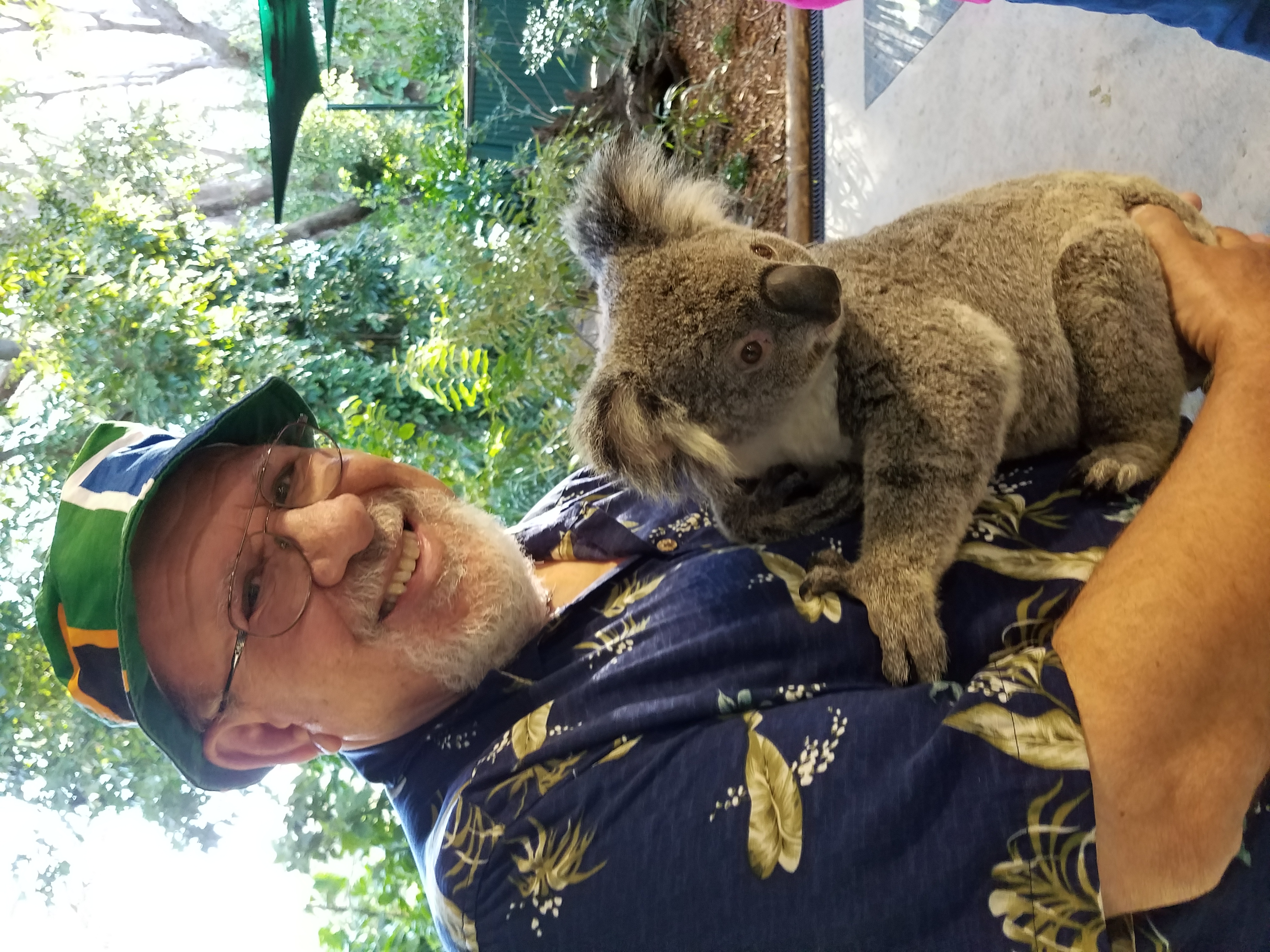
Author/World Traveler/Journalist
For most of Barry's forty year broadcast career as an international broadcast journalist spanning five continents, his main area of interest and focus has been on the African continent.
Both his children were born in Ethiopia while he was employed in Addis Ababa between 1969 and 1975 as both a broadcast and print journalist. He had the distinction of being among a handful of embedded foreign journalists who told the world about the long, sometimes bloody coup that ultimately toppled Emperor Haile Selassie in September, 1974.
Barry and his colleagues were also the first to bring to the world's attention the catastrophic drought and subsequent famine that killed countless hundreds of thousands of people in the northern Ethiopian province of Wollo.
In between his two tours of duty in Ethiopia, Barry and his then wife, Suzanne completed a solo overland journey in a Volkswagen Kombi Bus from Egypt to South Africa, visiting fifteen countries along the way. From Addis Ababa onwards, they were accompanied on that odyssey by their one year old son.
From 1976 to 2000, Barry broadcast to Africa on a variety of subjects ranging from politics to sports via the Voice of America's English to Africa Service in Washington, DC. Long before becoming Service Chief the last five years, Barry broadcast a daily sports program to millions of listeners throughout Africa under the name of The Ole Sports Emperor.
You could say Africa is in Barry's blood. And you'd be right, both literally and figuratively. During his many foray… Read More