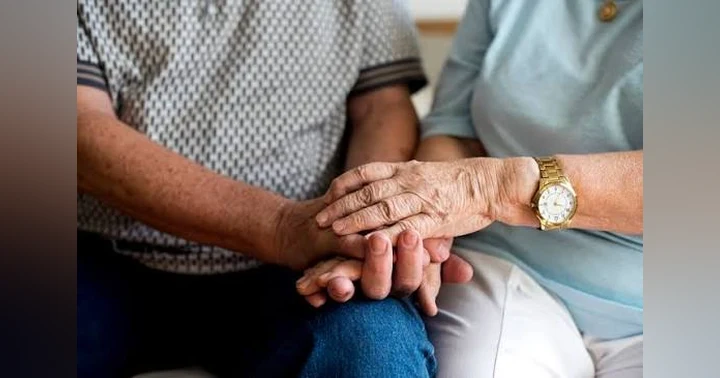
The Caregiver’s Story No One Tells
Most wedding vows promise “in sickness and in health”. I don’t think most of us truly consider what those words might one day ask of us especially when we marry young.
I was only nineteen when I stood before Jeff and recited my vows thirty-three years ago:
“I, Shannon, take you, Jeff, to be my lawfully wedded husband, to have and to hold from this day forward, for better or for worse, for richer or for poorer, in sickness and in health, to love and to cherish, till death do us part.”
I remember being so nervous that I could barely speak without laughing. I tend to laugh when I’m nervous. I also made a private vow that day; I would prove the naysayers wrong.
No one tells you what those promises look like when sickness becomes part of your everyday life for years. No one explains how hope and fear can exist within the same heartbeat or what happens to a marriage when tomorrow is never guaranteed and one spouse becomes the other’s caregiver.
One night, we went to bed believing life was normal. Hours later, I rushed Jeff to the emergency room.
The doctor told me he was septic and was experiencing kidney failure. It didn’t look good, and I needed to prepare myself.
I sat there in shock, trying to understand how this could be happening. There had been no warning. One moment, he appeared healthy. The next, he was fighting for his life.
That was day one of a journey that has now lasted three years.
Jeff went from being a very active man to someone who, on many days, can barely get out of bed. He lives with constant pain, overwhelming fatigue, and daily illness. Dialysis is necessary to keep him alive, but it also slowly takes a toll on his body.
He can no longer do many of the things he once loved. His life revolves around medical appointments, dialysis, and sleep. Most of his social interaction is when me, our son, and medical staff. His greatest hope is a kidney transplant, and a living donor would give him the best chance.
Will that donor ever come? We don’t know. But we continue to hope.
We often hear the stories of people waiting for transplants and the journeys of those fortunate enough to receive them. Those stories deserve to be told. There is another story that is often forgotten: the caregiver’s.
When a health crisis enters your life, you quickly learn who is truly willing to walk beside you. The people who stay are the ones who check in, offer practical help, provide encouragement, and remind you that caring for yourself matters too.
Sometimes relatives are not the ones who show up. Sometimes chosen family does. Friends you were certain would stay may slowly disappear. I was surprised and deeply hurt by some of the people who did.
My caregiving journey began overnight.
I became Jeff’s full-time nurse and the person responsible for his daily care. I tracked medications, scheduled appointments, drove him wherever he needed to go, trained to provide dialysis at home, ordered supplies, and dealt with insurance companies.
To those not lucky enough to have a caregiver, I honestly don’t know how they do it!
I became his advocate, cheerleader, and emotional support. At the same time, I became our sole financial provider and took responsibility for the bills, the house, the cars, the meals, the cleaning, the laundry, and all the ordinary tasks that do not stop simply because your life has fallen apart.
I carried all of this while continuing to work full time.
During the first year, Jeff spent more time in the hospital than he did at home. I worked, drove to the hospital, stayed as long as possible, and returned home late at night. I never wanted him to be alone because there were many times when we did not know whether he would pull through.
My son and I carried the weight of that first year largely by ourselves.
The second year brought fewer hospital stays. Jeff improved in some ways but encountered new obstacles in others.
This year three, he was finally placed on the transplant list. We celebrated that milestone, only to learn a few months later that his status would be placed on hold while doctors conducted additional testing. This year has also brought more illness and more days when he cannot get out of bed.
I was in good health when this journey began. Carrying the full weight of our lives for so long has taken a toll. My mental health has suffered, and physically, my body has begun fighting back against years of relentless stress.
Sometimes the emotional pain feels unbearable.
When the person you love tells you that he doesn’t want to continue living this way that his suffering no longer feels like life it breaks something inside you. Part of you understands because you witness the pain every day. Another part desperately wants to fix it, protect him from it, or take it upon yourself.
But you can’t.
Without a kidney transplant, there is only so much anyone can do. We have tried countless ways to manage the pain, illness, and side effects, but nothing has given him lasting relief.
Caregiving also carries emotions that are difficult to admit. Illness can bring anger, frustration, resentment, guilt, grief, and blame into a marriage. Sometimes that anger has been directed at me. I have often hidden my own pain because I did not want to add to his burden.
Caregivers need a safe place for their feelings too. Loving someone does not mean we are unaffected by their words, nor does illness mean we should have to endure every hurt in silence. It is okay to set boundaries.
Still, each morning I get up, put one foot in front of the other, and keep going.
I have always thought of myself as strong, caring, self-sacrificing, and fearless in the face of obstacles. This journey has tested every one of those qualities. It asked more of me than I thought I had to give.
At times, it has broken me.
Being broken is not the same as being defeated.
Again and again, I have found a way to rise not unchanged and not without scars, but stronger, wiser, and more resilient than before.
Thirty-three years ago, I promised Jeff that I would love him in sickness and in health. At nineteen, I could not understand the full weight of that promise. Today, I do.
I have also learned that caregivers need care. We need support, rest, compassion, and permission to tell the truth about how hard this is. Our stories are not meant to overshadow the people we love. They are meant to remind the world that illness rarely affects only one person.
Behind many patients is a caregiver carrying medication, appointments, bills, fear, hope, grief, and love all at the same time. They need to be recognized, and they need someone there to talk with, show them love, offer support, and help them when they are sick.
This is my story, but I know I am not the only one living it.
I am seeing a growing number of women over fifty unexpectedly stepping into the role of caregiver for a spouse or loved one while also trying to manage careers, households, finances, families, and their own changing health. So many of us are carrying more than anyone realizes, often behind closed doors and with very little support.
We love the people we care for deeply, but that does not make caregiving easy. We need a place where we can speak honestly about exhaustion, fear, anger, guilt, grief, loneliness, and even resentment that can accompany this role without judgement and without being made to feel guilty for having those emotions.
That is why I am transforming The Story Circle into a free support community for caregivers. A safe place where we can be seen, heard, and understood. It will be a place to share what we are truly experiencing, receive support from people walking a similar path, exchange encouragement and helpful resources, and remind one another that we do not have to carry everything alone.
Most of all, I hope it becomes a place where genuine friendships are formed. Sometimes the person who understands you best is someone who has lived or is currently living the same kind of story.
If you are a caregiver and this speaks to you, I would love you to join us. Send me a private message, comment CARE or email: lamkin2fam@gmail.com, and I will send you the details.
Let’s come together, support one another, and create the kind of community so many of us have needed but have not been able to find.
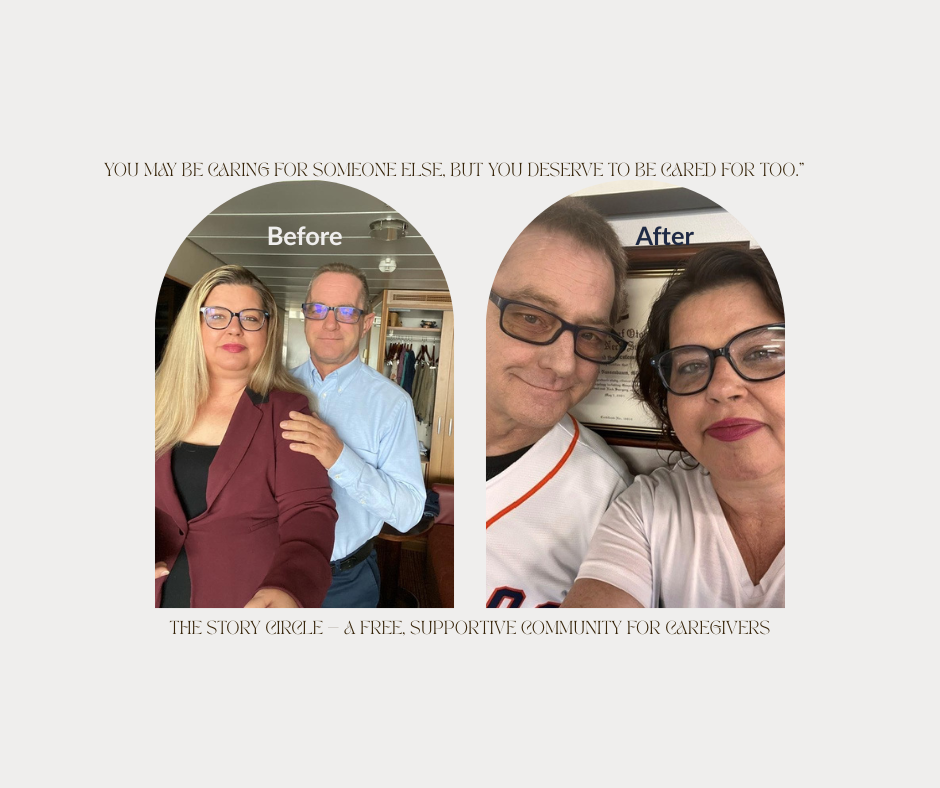
You may be caring for someone else, but you deserve to be cared for too.

Host/Travel Advisor/Author
Shannon is the heart behind TTS. A storyteller and traveler at soul level, she believes journeys—both across the world and within ourselves—have the power to heal, connect, and transform. Through honest conversations, she creates space for stories that inspire reflection, resilience, and connection. Based in Texas, Shannon brings a deeply personal and authentic voice to every episode. Her journey has been anything but ordinary—growing up in a large adoptive family, navigating trauma and healing, and ultimately finding her way back to herself through personal growth, reflection, and connection. With a background in healthcare and years of experience in administrative leadership and travel advising, Shannon combines organization, empathy, and curiosity to create meaningful conversations with guests from all walks of life.
Her mission is simple but powerful: to create a space where people feel seen, heard, and reminded that they are not alone. She is Gen X, mother of 2 and currently working on her memoir. Her hobbies are travel, reading, and baking!

Relationship Talk with Dr. Stephen Paul Edwards