Apple Podcasts
 Spotify
 Youtube Music
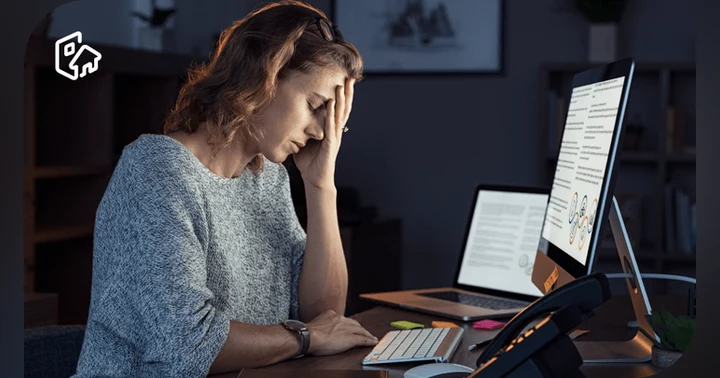
 Why High-Achieving Women Are Secretly Burned Out (feat. Felicia Brown)

What if your success was built on survival mode? In this deeply honest episode of Travel Time Stories, Shannon and Ann sit down with trauma-informed therapist, emotional regulation coach, and self-trust expert Felicia Brown to talk about burnout, people-pleasing, nervous system survival, emotional exhaustion, and the pressure many women feel to constantly “hold it all together.” Before becoming a licensed professional counselor, Felicia spent 15 years in education while privately battling anx...
What if your success was built on survival mode?
In this deeply honest episode of Travel Time Stories, Shannon and Ann sit down with trauma-informed therapist, emotional regulation coach, and self-trust expert Felicia Brown to talk about burnout, people-pleasing, nervous system survival, emotional exhaustion, and the pressure many women feel to constantly “hold it all together.”
Before becoming a licensed professional counselor, Felicia spent 15 years in education while privately battling anxiety, exhaustion, and chronic survival mode. During COVID—and while parenting three adopted children with significant trauma histories and ADHD—her understanding of healing and emotional safety completely changed.
This conversation is for every woman who feels:
✨ emotionally exhausted
✨ stuck in overthinking and perfectionism
✨ disconnected from herself
✨ valued only for productivity
✨ burned out from surviving
🎙️ In This Episode:
🖤 Burnout & survival mode
🌿 Nervous system healing
❤️ Parenting children with trauma
🧠 Emotional regulation & self-trust
✨ Productivity-based self-worth
🍷 Honest conversations about overachievement and healing
This episode feels like sitting at the table with friends talking honestly about what it means to stop surviving and finally feel emotionally safe in your own life.
💬 COMMENT BELOW:
Have you ever realized your “success” was actually survival mode?
🔔 Subscribe for more conversations about healing, identity, transformation, and the stories that shape us.
✨ Until next time, keep traveling your story and keep making memories for life.
Felicia Brown:
https://www.psychologytoday.com/us/therapists/felicia-brown-streator-il/1461420
https://www.facebook.com/profile.php?id=61575951900215
https://www.instagram.com/feliciabrownlpc/
https://www.tiktok.com/@feliciabrownlpc
#traveltimestories #burnout #peoplepleasingrecovery #emotionalrecovery #highachievingwomen #traumahealing #exhaustion #podmatch #therapyforwomen
SPEAKER_01
Every journey has a story. And every story has the power to heal. My story hasn't been ordinary. I was adopted. I'm a survivor of abuse and trauma. And I have more than a dozen siblings. That's just the beginning of my story. Life has taken me on a long and winding road of healing and personal growth. A journey that ultimately led me back to myself and the path I was meant to walk. Along the way, I discovered that stories have power. The power to connect us, to help us grow, and even to help us heal. This is Travel Time Stories was Changing. Real journeys, real stories, and real healing. What if the life you worked so hard to build was actually exhausting you?
SPEAKER_00
What if achievement, productivity, and constantly holding it all together weren't signs you were thriving?
SPEAKER_01
But signs that you'd been surviving for far too long.
SPEAKER_00
Today's conversation is about burnout, nervous system survival, emotional exhaustion, and the journey back to yourself.
SPEAKER_01
I'm your host Shannon, and this is Travel Time Stories with Shannon, where we share real journeys, real stories, and real healing.
SPEAKER_00
And I'm your co-host Ann. Today's conversation is one so many women are going to deeply relate to, especially the women who appear strong, capable, successful, and are quietly falling apart inside.
SPEAKER_01
Guest today is Felicia Brown, a trauma-informed therapist, emotional regulation coach, speaker, and self-trust expert who helps women break free from burnout, overthinking, people-pleasing, and productivity-based self-worth.
SPEAKER_00
Before becoming a licensed counselor, Felicia spent 15 years in education while privately living in chronic survival mode. Then during COVID and through adopting three children with significant trauma histories and ADHD, her entire understanding of healing, resilience, emotional safety, and identity shift.
SPEAKER_01
Alicia, welcome to the show. We're really looking forward to this conversation.
SPEAKER_02
Thank you so much for having me. I am so excited to be here and hopefully to bring your listeners something that really resonates and can help them.
SPEAKER_01
Oh, I'm definitely sure this is going to resonate with a lot of listeners.
SPEAKER_00
Yes, I think so too.
SPEAKER_01
So, Felicia, you said something that I think so many people will recognize. On paper, my life looked successful, but internally I was exhausted. So can you take us back to that version of yourself?
SPEAKER_02
Yeah. So I would say I have always kind of been that classic, like high achieving person. I was a really good student. I was in all of the clubs in high school. And, you know, I was a fam geek and I got on honor roll, all of the things, right? That's I was a good kid. Like when people talk about their high school years, that was never me. I was a really good kid. And then I went to college and I was still a really good kid in college. And I don't have any wild college stories. That was not my life. I worked hard. I actually graduated from high school early. So that can even tell you how much of a high achievement was. Congratulations, that's an achievement. And at one point, I was going to high school during the day and I was taking classes at community college in the evening. And then I did a four-year bachelor program with my student teaching in about three and a half years. So I graduated from college early as well. So when I say that I get it, I get it. And then I went into the teaching field, which essentially survives on the manipulation and unpaid labor of women by really pulling at their heartstrings of do it for the kids. If you don't do this, the kids won't have it. If you know you aren't the most creative or the most engaging, then these kids aren't going to learn. And then if you teach in an area that has a high poverty rate or a high crime rate, then you really kind of get this almost like savior complex of like, I have to do this because I'm the only chance these kids have to get out of the situation that they're in. And I truly loved teaching for a really long time until I didn't. And it was never because of the students that I worked with. And I worked with some kiddos with some pretty intense behaviors and needs, and I loved them. But when COVID hit, the whole world fell apart. But education really took a hit.
SPEAKER_00
Yeah.
SPEAKER_02
And as somebody who was already serving on all the committees, involved in all of the things, kind of like, and not to say this in a bragging way, but like the go-to person. If another teacher had a question or like, hey, can we problem solve this thing? I was one of the ones that people would come to. And I loved that because it made me feel good. Until it got to the point where it wasn't sustainable anymore. And I didn't have the capacity to keep going. And yet there wasn't an exit ramp. It was you keep going or nothing. And that was really, and then add to that, becoming an instant family of just my husband and I, and literally overnight having three kids and being on lockdown. And then all five of us were together in quarantine for like the next six months, right? A lot of things shift during that time. And so it was really like through all of that. And I don't want to say like I had a full on breakdown, but I really got to this point where I was like, something's got to give because I can't do the things I used to do and be the best mom I need to be for my kids and navigate all of the struggles my students are having due to the pandemic. And yet looking around, didn't really have a lot of options. And so I kind of jokingly say, I just created my own and went back to school, got a second master's degree in counseling, completely pivoted and changed my career. And that's what I do now.
SPEAKER_00
That's incredible.
SPEAKER_02
So when I say like I get high achieving women who are going to keep going and whose worth are really based on what they do and how they perform, like I joke that I'm kind of the poster child for that. And I also understand how deeply unsatisfying that is when your whole sense of self depends on what you do, what you achieve, and how successful you are. And nothing ever feels like enough.
SPEAKER_00
That is that is definitely for sure. So what is survival mode actually feel like in your day-to-day life?
SPEAKER_02
Complete exhaustion physically, mentally, emotionally. Truly, at one point, my body just kind of started like, we can't handle this and shutting down. And and so I was sick more. I was dealing with more somatic complaints. I had a really bad flare of like in my gut with some IBS, and I ended up getting a really bad infection. Just and a friend of mine said to me, like, when when your body has had enough, it it'll whisper to you and then it will talk to you. And eventually when you don't listen, it screams at you. And if you still don't listen, it just shuts down. And I was having a lot of chronic health problems that didn't really have great explanations and were just kind of like, well, reduce your stress. And I'm like, but how do I do that? And then also feeling like even though I was doing all of these things, nothing was good enough. There was always more to do. There were always people ahead of me, right? My own comparison game. And that nothing I did really felt that fulfilling. I remember saying to my husband, like, I don't know what it is, but I just don't think that I am doing whatever it is I'm supposed to do. And he is very supportive. And I remember him saying, like, well, what do you what do you think that is? And I said, I don't know, but I'll let you know when I figure it out. And so, yeah, and it helps to have people that you can be honest with and vulnerable with.
SPEAKER_00
Yes.
SPEAKER_02
And as women, that's often really hard to find.
SPEAKER_01
Yes. It definitely is. And I can so relate to what you were talking about with the having, you know, the issues with your body and things happening and not really getting an explanation for it other than like, it's stress, reduce your stress. Well, you know, how are you supposed to do that? And they want to blame it on, depending on what your age is, they want to blame it on menopause or perimenopause or whatever.
SPEAKER_00
That's the favorite.
SPEAKER_01
Exactly. And do you think a lot of high-achieving women often normalize the emotional exhaustion because it's rewarded by society? 100%.
SPEAKER_02
It's a badge of honor. If you're exhausted, you must be doing something right. If you are constantly busy, you must be a boss babe. If you are, you know, running on empty, but you are involved in all of these things, well, then you're successful. When in reality, we are glamorizing truly the self-destructive behavior of women because that's what's been normalized.
SPEAKER_00
Right. That is exactly true. So at what point, Felicia, did you realize this isn't sustainable anymore? I can't do this.
SPEAKER_02
Honestly, it really all kind of culminated when we tried to go back to normal in the schools. And I had three kids. My twins, it was going to be their kindergarten year. My oldest, it was going to be her first grade year. And we were on this weird rotating schedule of like you come to school certain days of the week and you're remote other days of the week. And then everybody's remote on certain days. But as teachers, we had to be there for all of it. And then we had to teach the kids in our room, and I had to be on camera the whole time. And I had to answer all of the tech questions, and I had to help my own children, and we had to get weekly screenings of we did these spit tests, they were terrible to just see, like, okay, who has COVID? And so then every I remember they were like on Wednesdays. So every Thursday morning, we were like, okay, do we get to go to school today? Do we not get to go to school today? Who's gonna be in my class? Who's not gonna be in my class? And I remember just like being at home every day, exhausted, and thinking to myself, I don't want to do this anymore. And that was really scary because truly I felt that teaching and working with middle schoolers was the calling that I had. I was good at it. I enjoyed it. I still love working with middle school and high school kids. And it was really scary because so much of my identity had been wrapped up in being a teacher. That's who I was. And it's really kind of this cognitive dissonance that happens when the thing that you thought was your path for your whole life, like I fully planned on retiring from teaching. That was what I was gonna do. And when that no longer feels possible, and yet that's how you kind of identify yourself or define yourself, it's very scary because who are you without that achievement? Who are you without that thing? And that was really a lot of kind of my own self-discovery of what does this look like if I'm not the one that's constantly achieving, if I'm not the go-to person, if I'm not in education, what does that mean for me?
SPEAKER_01
And what does that look like? Yeah, that's one of the things I talk about a lot is learning, you need to learn who you are or or go back to who you were before society started piling all these labels on you, like wife, mother, school teacher, you know, what whatever your profession is, and all the other things that you do that you get a label for. What when something happens and then those labels are stripped away from you, it's a massive identity crisis that you go through, and not just emotionally, but physically as well. Like, you know, who am I? What do I do? You're totally lost.
SPEAKER_03
Yeah.
SPEAKER_01
Yeah.
SPEAKER_02
And then add to that the really the cognitive dissonance of recognizing the privileges that I grew up with, the safety that I grew up with, kind of my understanding of how childhood should be, and being truly living every moment with kiddos who had never experienced safety and who aren't really sure if these two adults are actually gonna be around, are they actually gonna still keep us? Are we actually gonna be here? And then all of the testing of how bad can I be before they send us away? Yes, and so even that of again, I worked with kids for a living, I was really good at managing behaviors, it's different when it's your own kids, and the trauma has been there since birth, it's a whole different ballgame, and so that really made me question what am I doing to make the world a better place? And while I commend teachers, and it is one of the hardest professions, for me, I was like, I think there's something else I'm supposed to be doing. And so it was really this kind of time of self-discovery. And truly the idea of going into counseling was overwhelming because I was like, I already have a master's degree in behavior analysis. I don't want to go through a whole other program, I don't want to do an internship, like I don't want to do all of these things. And then I remember my own therapist saying to me, the time is going to pass anyway. So yes, it's two years, but those two years are gonna pass no matter what. In two years, you can either be done with this program or you can still be contemplating doing it. And I was like, okay, you're right. And then I saw how impactful really good trauma-informed therapists were for my own children. And I saw how difficult it was to find them. We drove, still drive, an hour away to find someone that truly understands trauma and works with kids. And currently, I am the only licensed mental health provider in my town. So, and I can't treat my own children, but before I was licensed and had an office, you were driving at least 30 minutes. And so it was really through seeing this need and seeing how impactful and healing that was for my own family that really kind of solidified, okay, this is this is where you're supposed to be.
SPEAKER_01
Yeah. And I imagine too, being on the front lines as a teacher during COVID and seeing everything, witnessing everything that was happening to students, teachers, families because of COVID, that also probably prompted you or showed you the need of having a good mental health uh access to good mental health therapy that people would need.
SPEAKER_02
Yeah. And then what do I do as a teacher when I'm like, well, I know you need outside counseling, but the closest office is at least a 30-minute drive away. And they have a six-month waiting list because they're so full.
SPEAKER_01
Yeah. Right. Or they don't take your insurance. Yeah. Yeah. Yeah. That that's oh, don't get me started on mental health, girl. Yep. Yep. I have a like you, I have my oldest son in special needs. Well, he has mental health uh issues and has he was diagnosed at age four. And so we we dealt with that from age four up to now. He's in his 30s now, so uh for many years. And that was the huge thing was being able to try to find a good therapist that understood his needs, that did well with children. And yeah, we had to drive, we were having to drive anywhere from one to two hours every time. That was the closest good person that we could find that was within our insurance. Yeah, and it's just ridiculous, and it's still not improved to this day. No, it's probably gotten worse.
SPEAKER_00
It's worse, yeah.
SPEAKER_01
It's worse.
SPEAKER_00
So much worse.
SPEAKER_01
And yeah, it's it's really devastating. Mental health access needs to be available to everybody who needs it.
SPEAKER_03
Yep.
SPEAKER_01
Yes, and it shouldn't be limited to whether they're in network, out of network, whatever. Yeah, that whole thing needs to change. Yes, yeah, because it's really sad and and it's a huge need. And I'm so glad that you stepped up and went back to school to get to get your degree so that you could help fill one of those necessary spots that's needed. That's amazing. Kudos to you.
SPEAKER_02
And then I must have decided I just really liked school because now I'm in a doctorate program for clinical mental health. So, you know, from not wanting to do another master's program, I'm just gonna keep going and get the doctorate in clinical mental health. Things change when things change, right?
SPEAKER_00
Um exactly.
SPEAKER_02
That is, I I have jokingly said, if a year ago me could see where I'm at now, they would fully believe I was delusional. Because just the opportunities that I have been granted, the growth that I personally have made since really stepping out and fully embracing private practice and fully embracing the idea that I am knowledgeable and I can help people. And yeah, I might live in a tiny town in Illinois, but because of technology and how interconnected we are, my reach doesn't have to be limited to right here where I am. And that is really a scary and yet empowering thought. Scary in that, like, I need to make sure that I am knowledgeable and clinically grounded and telling people the right things because do no harm is a huge part of the counseling field. And exciting because I know how hard it is to find people who truly are knowledgeable about trauma, mental health, the issues that women specifically deal with. And not only do I understand it from that clinical perspective, but truly understanding it from that lived experience and kind of being able to put both of those together. And then my goal is to be able to explore that with other people in ways that feel relatable, help them feel seen, and give them tangible things that they can do to help themselves feel less of that emotional mental spiral and feel more regulated and in control of their own thoughts, emotions, and body.
SPEAKER_00
Yep, me too. That's awesome.
SPEAKER_01
So, what did parenting children with trauma teach you about emotional safety?
SPEAKER_02
Just because your kids are in an environment that is safe does not mean that they feel safe, especially at that deepest, most subconscious level. There is a huge difference between physically being safe and the nervous system of feeling like it is safe. And just because you are no longer in an environment that was dangerous does not mean that all of those things that Your nervous system experienced and then learned to help you survive just go away. But what does happen is when you are no longer in a situation where you have to be in survival mode, and you're in situations where you are safe, those behaviors that previously protected you actually interfere with you living a regular happy life. And how do we take the experience that you have and the skills that truly kept you alive and keep the good parts of that while healing these parts that make you feel that you can't trust anyone? Feel that you're constantly in danger, having to look around you at all times, check that the doors are locked, if you hear sirens run and hide under something. How do we get you to a place where the things you learned that are good skills are still there, but that the negative impacts are less impactful on your day-to-day life. And I will be honest, it took a really long time to even find the information on how we start to do that. Because the idea of how trauma impacts the brain, the nervous system, really trauma as a whole, when we think about medical research, it's pretty new. Even, you know, I taught 15 years. When I first started teaching, we never talked about trauma or trauma-informed care or teaching. I mean, that's really been a big push since right before COVID and then through COVID. And now we're starting to understand how trauma experienced in childhood is impacting adults and why people do the things they do or react the way that they react to things, that you would think, oh, that's just their personality or they've always been that way. And yet when we really do the deeper work, it's like they experienced childhood trauma. And a lot of times, specifically for women, when we experienced instability in childhood, or we have some type of traumatic experience, we then learn that achievement, being the quiet one, the well-behaved one, the one that gets everything done, that kept us safe, andor at least kept the adults in our life more calm. And so therefore that was protective. Because if I do the dishes, then mom or dad doesn't get angry, and so maybe there won't be screaming tonight. And then that, and I'm not saying that every single high-achieving woman experienced trauma, but I do think the link between the two is incredibly high. And so the productivity, the constantly being busy, the rushing, etc., is really a trauma response in a lot of ways, but one that in society is praised because laziness is frowned upon. And so for women, even when they rest, there's the negative self-talk that says, Oh, I'm lazy.
SPEAKER_01
Yep, exactly. Or that self-care is is wrong, that that you shouldn't do self-care, you know, that's being selfish. Yeah. And talking about you hit the nail on the head with the trauma uh from childhood converting over, and that trauma embeds itself in your nervous system and your brain and your reactions. And even when you're in a safe environment, you still are triggered. Your body responds in the ways that it learned from that trauma, even if you're in a safe environment, until you relearn how to change that reaction into a positive one versus negativity. I went through that uh in my life, and I'm I just finished my memoir and I'm doing the editing on it. I was working on it earlier today before we before we started, and I was up to that point where I'm talking about reflecting back on the thing, the trauma that happened to me, and as a result, in adulthood, the things that I would do as an adult, even in a safe environment, that were triggered from the trauma that I had gone through as a child, and those those things that I had learned about, you know, always checking your surroundings, walking on eggshells, making myself small so somebody may not react negatively or get upset or anything like that. That is so spot on, and that is something that's very hard, takes a long time to get to relearn that and to get your body out of that survival mode. Yeah.
SPEAKER_00
Years and years, yeah.
SPEAKER_02
And a lot of times, especially women will come to me and they'll be like, I didn't have any trauma. I mean, my my childhood, I mean, it wasn't perfect, but it wasn't that bad. And then I pull out the ACES test, and I don't know if you've heard of that, but it's the I adverse childhood experiences survey, and it's a list of about 10 questions, and it's just yes or no. And if you say yes to any of them, that is an indication that you experienced trauma. And it is not uncommon for a lot of the women that I work with four, five, six, and I'll say, you have a high childhood trauma rating. They'll be like, No, I didn't. Because oftentimes we equate trauma with really bad things, being physically abused, you know, all of those things. But growing up in a home with somebody that had a problem with alcohol, I mean, that's a lot of adult women will talk about, like, well, yeah, but like that's just what every dad did back in the day, right? Or did you ever were you ever physically punished? Very societally acceptable. Did anybody in your family talk down to you, make fun of you, belittle you? Do you remember that? Did somebody in your family struggle with mental illness? And so these are things that many people, when asked in that way, are like, well, yeah. But, right? And so one of the things I say to people is just because you know other people had it worse than you did, doesn't mean that what you went through wasn't bad enough to impact your nervous system.
SPEAKER_01
Exactly, because it doesn't take that much to impact the nervous system, and a lot of things, like you're saying, people brush off as, oh, that was just normal behavior or whatever, that was no big deal. And if you feel like that you came from a loving home or you came from a loving home, which I get, you don't think that trauma could have occurred because you were from a loving home with two parents that were stayed together, didn't get divorced, and you know, this, that, and the other. But that's not true.
SPEAKER_02
Right. Traumas happen in good families too. Absolutely. And one of the things that I will work with clients on is this idea of really two things being true at the same time. And and this can help when, as you're saying, you know, like you had loving parents, you had parents that tried their best, that did the best they could. And so I will often say, your parents did the best they could with what they had and what they knew, and you still experienced harm. And both of those things can be true. And then people will say, Oh, I don't want to blame everything on my parents. That's cool. I don't want you to blame everything on your parents now because even though you didn't cause it, it's now yours to deal with, right? You're the only one that can regulate yourself that can heal. Doesn't matter who caused it, it's unfortunately yours to deal with. And so it's not about blaming, it's about recognizing it and not fighting our own brain of, but I had good parents. Absolutely.
SPEAKER_03
Yeah.
SPEAKER_02
And I know myself that I've made mistakes in parenting. I didn't, I didn't understand a lot of things, I didn't know a lot of things, right? And now, having been a parent for six years, there are things I understand. There are things I've learned about my children that as they were more comfortable with us, that they told us about. Right. I know that I did the best I could with what I had and I I found the best resources available. And yet I know that that transition was really hard. And not every day was a great day.
SPEAKER_01
Both things can absolutely be true. Yep, that's exactly right. That's hard for some people to understand, though, that two truths can actually exist. Right. How do people know when they're operating from authentic motivation versus fear, approval seeking, or survival? Before we continue, I want to share something really special we've created for this community. If you've ever listened to an episode and felt something deeper, like a moment that stayed with you or a story that made you reflect on your own life, we wanted to give you a place to go with that. We've officially launched our Travel Time Stories membership where you can go beyond listening and become part of the experience. Inside the membership, you'll get access to the Story Circle, our private community where we reflect on each episode through guided journal prompts, share our stories, and connect through monthly meetups. There are also additional tiers with opportunities to go even deeper, from storytelling and sharing your voice to being part of the creative journey behind the scenes and joining us on our yearly group travels. If this speaks to you, you can join us through the link in the show notes or visit our website, traveltimestories.com. We would truly love to have you join the community.
SPEAKER_02
I love this question because I actually think the test for this is really simple. When you lay down at night and you reflect on your day, are you content and okay with how things went? Even if you didn't finish your to-do list, even if it wasn't the best day, overall, are you okay with how things are? Or no matter how much you accomplished, how great your day was, how many things you got done, how much achievement you had, are you automatically beating yourself up for the things that didn't get done? Are you automatically telling yourself what you did was not enough? You could have done better, you should have done more, you need to work harder. That's the difference. It's really in how we view ourselves and our performance. And if it is constantly critical and never enough and always wanting more and always needing to do more, and never being okay with what we are accomplishing, that's when you know that the drive behind the success is survival, not that the drive behind the success is confidence, empowerment, and your authentic self. That makes total sense.
SPEAKER_00
Yes. So what role does the nervous system play in burnout and chronic emotional exhaustion?
SPEAKER_02
It's the whole system. That's it's the whole role. And so many times I think when we talk about burnout and exhaustion, we haven't really understood how deep that goes, right? And that's why people will take a day off and they might feel a little bit better, but as soon as they have to go back to that situation, it's the same thing. Or people take a vacation but don't really feel like they can rest or relax.
SPEAKER_03
Yeah.
SPEAKER_02
Because while the environment absolutely impacts us, changing the environment doesn't automatically make us feel safe. And so when you think about the nervous system, I kind of think of it as that, like to put it in computer terms, like the software that's always running in the background, you don't even know it's there. It's just always there. It's always checking for things, you know, making sure your computer's not getting viruses, making sure you're doing the update, like it's just doing its thing and you don't have to do anything because it's already been loaded into the computer. And that's the nervous system. It is constantly scanning for patterns, for danger, for recognizing what is happening. And it's the lens through which you view the world. And so if you have a dysregulated nervous system or a fried nervous system, as one of my clients likes to call it, the lens through which you view the world is the world is inherently dangerous. I am always unsafe. I need to constantly be on guard. Nothing in this life is really that good because it could be taken away at any time. And if I am not careful, then anything and everything I've worked for could absolutely disappear and I would be nothing. So where if you have a nervous system that is regulated, it does not mean that you're going to be calm all the time. In fact, I would say that's actually not a regulated nervous system because a healed nervous system can feel a full range of emotions and handle the discomfort that uncomfortable emotions bring without having to shove off the emotion or lose itself in the form of a panic attack or like a rage attack. A good heel nervous system isn't one that's calm, but it's one that sees the world as inherently safe, that no matter what happens, I'm going to be able to figure it out and I'm going to be able to handle it. And that even when things don't go my way or I'm not having a great day, that I can recognize that this is limited, that this is not my whole world, and that ultimately I can feel safe and in control no matter what's happening. And so many people don't have that because I really feel that as a society, we've designed our world to never give us space from distractions, from the constant noise, input, etc. I mean, think about anytime you've had to stand in line. People aren't looking up, talking to each other, or even just like sitting quietly because everybody has a phone, kids have tablets, like there's some type of electronic device. We don't ever have to sit with just our thoughts and our feelings. And so we've never developed the tolerance to handle things that are uncomfortable. And because we didn't have practice with that, when really big things happen, we have no capacity to draw on. And so we have to go into fight or flight. And so really understanding the role of the nervous system, knowing that that is like the driving force behind everything that we do, and knowing how to tap into that and regulate and check in with yourself is really the work that I do to help with emotional exhaustion and burnout. Because I would love, I would love if self-care fixed it. I would love if a vacation fixed it or going to get an iced coffee would fix it, right? That'd be great. It'd be so much easier. And those things are fun and they're great. But an iced coffee still tastes good when your hair's on fire, but it doesn't put out the fact that your hair is on fire, right? And so many times I think we try and aesthetically self-care our way to feeling better, and it just makes us feel worse because it doesn't work long term. And so while the work that I do with people isn't always pretty, in fact, most of the time it's not, it's hard. At the end of it, they feel confident and empowered that no matter what they're going through next, they have the ability within themselves to be able to handle it. Yeah.
SPEAKER_00
So I have to circle back to a phrase that you use. I think you said the words rage attack.
SPEAKER_02
Yeah, yeah.
SPEAKER_00
So, like I I think I've had one of those, and if it has a name, then I'm really super stoked about that.
SPEAKER_02
Yeah, you know, it's like that point where it's just driving you crazy. And for whatever reason, right? It could be something small. It could be the fact that that cup is on the counter when you know you told somebody to put it in the sink, and that's the thing that sets you off, right? And then you are slamming things, throwing things, screaming, angry, just nobody talk to me, nobody, right?
unknown
Yep.
SPEAKER_02
That's also a form of dysregulation in that the nervous system is having a lot of discomfort, but it can't regulate in a way that makes it feel and control. And anger is a protective emotion. And anger is a safe emotion, at least in our society. And so it's much more acceptable to express your anger than it ever is to express your anxiety. Particularly for men, it's even worse. But even for women, kind of the stereotypical, oh, the crying woman, right? I'd rather be angry than be crying, because at least if I'm angry, I have the power to punch back. If I'm crying, I'm sitting in a corner and unable to do anything. So yeah, a rage attack, just like a panic attack, but a rage attack, and you just go all out.
SPEAKER_00
Good to know it has a name. Yeah. Do you hear that girl? Do you hear that, ladies? It's it's okay. It has a name. So Felicia, you talk a lot about self-trust. What does self-trust actually look like in practice?
SPEAKER_02
Yeah. Oftentimes we get a feeling in our gut, but we have a thought, and we convince ourselves that we're crazy. We convince ourselves that we must have misread a situation, or don't have all the facts, or being too emotional, or being hysterical. And so we've really been conditioned to not trust ourselves. And I will be the first to say that feelings are not facts. However, your feelings are valid and they're trying to tell you something. And the moment that we start to instantly attack our own thoughts and feelings, that oh, that's not right, that's wrong, that's whatever, we are teaching ourselves and teaching our nervous system that we can't be trusted. And so then you have a nervous system who's like, well, these are the signals I'm giving off, but the feedback I'm getting is that they're wrong. So this isn't making sense of dysregulation. And as this happens month after month, year after year, we get to this point where we don't trust our own mind. We don't trust our own gut feelings about things. And those gut feelings oftentimes are subtle pattern recognition that the nervous system has subconsciously picked up and filed away, and now is seeing that pattern happen again. And you can't call forth the exact thing, but you get that feeling. And so this happens a lot. You know, people be like, Oh, I got a bad vibe about that person, and they'll be like, Oh, you can't tell that. And then when you would really break it down and study it, it's like, no, it's the way that they like were scanning the room, it's the way that they kept looking at that particular person, or the way that they were speaking to a child, or their body language, or just how they kind of position themselves, right?
unknown
Right.
SPEAKER_02
But in that moment, that's a whole lot of information that your brain is just constantly processing. And it's much easier to say to yourself, I'm just overreacting, I'm just emotional, I'm just worried that, you know, I'm in danger. It's fine. But what's actually happening is your nervous system has been here before. It's categorized all the patterns and it's giving you the signals, and you have the choice then to either trust that or to convince yourself that you're wrong and that all of those things the nervous system is telling you can't be trusted.
SPEAKER_01
So, how do people re Connect with themselves after years of self-abandonment.
SPEAKER_02
So what I'm going to tell you to do is simple. Simple does not mean easy. And I like to clarify that. So so much of the nervous system work is really body-based. I like to say that it is, it is the brain and the body. It is all of the things. But so often we spend a lot of time in our heads and we have spiraling thoughts. We're constantly problem solving, thinking about things, etc. And what I actually want people to do is to spend a little time getting out of their head and more into their body. And so one of the things I ask people to do is for three minutes, can you put away all distractions for three minutes? No phones, no electronics, no music, nothing. Three minutes. And can you just notice what you're feeling in your body? Notice whatever thoughts pop into your head. You're not judging them. You're not following the rabbit hole of that thought. You're just noticing, oh, I forgot to take the chicken out for dinner. Okay. And it goes on. And then when you have that thought, oh, you forgot to take the chicken out. Can you notice what happens in your body when that happens? Because we're always getting physical sensations. We just don't tie them together. So we have a really big disconnect between the physical somatic part of the body and the mental cognitive part. And so I even tell people, just take a few deep breaths and literally pretend that you're a scanner. What does your head feel like? What does your neck feel like? Is it tight? Have you been clenching your jaw? Your shoulders need to come down? Oh, do you have a weird twinge in your back that you didn't realize? When was the last time you took a really big deep breath? Are you stretched? And just really focusing in on every single sensation that's happening in your body. I used to start with five minutes and everybody told me that was too hard. So I now go to three. Because for most of us, we can't remember the last time we sat with ourselves and no distractions and just felt whatever was happening in our body and noticed whatever thoughts we had and just let it roll. So that's one of the things that I like to start people with to kind of get back in tune with themselves, recognizing. And it sounds kind of silly, right? Like, well, you live in your body all the time. Yeah.
SPEAKER_00
But when you're just gonna listen to it.
SPEAKER_02
Yes. Yep. So we've got to listen to it. But in order to listen to it, we we have to even understand it's there. And that's how we developed more of that self. And it's hard, it truly is. And people be like, oh, that's no big deal. And then they're like, oh, it's actually really hard. And I don't like it because it's uncomfortable.
SPEAKER_01
So what's one thing that society praises in women that is actually deeply unhealthy? I know we talked about the overachieving thing, but is there anything else?
SPEAKER_02
Yeah, I think this idea of being superwoman, super mom, boss babe all kind of goes together. We really like to praise women for being this perfect ideal mom that does everything for the kids and has all of the perfect experiences and perfect treat bags and matching pajamas and all of the things, right? That Pinterest perfect mom life. We really like to praise that. But we also don't want her to be a stay-at-home mom because you're just wasting your potential then. So you need to have a career and you need to do really well in that career. And while you're there working, like you cannot be dealing with your children. Like your focus needs to be work because you are a professional, a career woman. And then if those things ever cross over, well, you just have really bad time management. Can't you? You're just gonna have to figure this out and get it together. And I think that is really the core of a lot of the guilt and this feeling of never being good enough that women experience. And yet we don't praise moms that are good enough. We don't praise moms because, hey, you got your kids up, you got them dressed, you got them out of the door for school on time. Great job, right? We don't praise those moms. We praise the moms that make a three-course breakfast homemade every morning that drive their kids to school, that have the kids have perfectly matching outfits and designer everything, right? Those are the moms that have it together. And so I think this idea of good enough is good enough is really powerful for women because so many women think they're not good enough, and what they're doing is above and beyond what is even reasonable, and yet they still don't feel like it's enough. So I think society as a whole, that's one of the things, and and we do it to each other, like and and we compare ourselves. Like, oh, I can't believe that mom didn't bring treats for anything this school year, right? Yeah. We we don't even realize we're doing it. And so I think that's an area in society that we could all do better and really take the pressure off of other women and also ourselves.
SPEAKER_00
What is something emotionally healthy people do differently?
SPEAKER_02
They say no without feeling guilty. No is a complete sentence.
unknown
Yeah.
SPEAKER_02
And it's hard. It's hard. Yeah, it really is. When you're emotionally healthy, when you're totally regulated, when you know that your worth doesn't come from all the things that you do, you say no to things that don't really interest you, that aren't the things you want to do. And when you're not, you feel like you always have to say yes. And if you do say no, then you're guilty and you're spiraling and you're feeling really bad about yourself. Yeah.
SPEAKER_01
So what would you say to a woman listening right now who is exhausted but doesn't know how to stop?
SPEAKER_02
I want you to say to yourself repeatedly until you finally believe it, that achievement is something that you do, but worth is something that you have no matter what achievements you have. The fact that you are alive, the fact that you have breath in your lungs, that you are a human being, means that you have worth and you are worthy of dignity and respect. And that when you finally feel that that's true, you no longer have to work yourself to the point of exhaustion because you realize that you, who you are as you are, is, will be, and always has been good enough.
SPEAKER_00
Yes, it sounds like you're truly grounded emotionally at that point.
SPEAKER_02
Yeah. I would agree.
SPEAKER_01
Well, Felicia, this conversation feels like permission for people to stop performing and to actually begin healing.
SPEAKER_02
If you need permission to say no to something, blame it on Brown. It's okay. Felicia Brown said you can say no to things, blame it on Brown. Here's your permission. Say no to something. In fact, here's your challenge. How many things can you say no to this next week without spiraling or feeling guilty? And just notice what happens in your body when you do that.
SPEAKER_00
You gotta keep count. Just for fun.
SPEAKER_02
Just for fun, yeah.
SPEAKER_00
I I think so many women are gonna hear themselves in your story, especially the ones who've spent years believing their exhaustion was normal. Where can our listeners find out more about you, Felicia?
SPEAKER_02
So if you are on TikTok, Instagram, or Facebook, my handle's all the same. It's Felicia Brown LPC on all of those platforms. And I would love to connect with you to hear what you thought about this episode. I post more strategies, tips, etc., on how to regulate your nervous system, the education behind it, et cetera. I post those on all of my platforms in small, digestible, relatable ways. So I would love to have you follow along. And please, please, please, if something in this episode resonated with you, let me know. I'd love to hear it.
SPEAKER_00
Definitely going to be following those tips for sure.
SPEAKER_01
Yeah, exactly. Thank you so much, Felicia, for bringing honesty and compassion and depth to this conversation. I've truly enjoyed it. And like you said, share this episode with someone who may need the reminder that their worth is not tied to how much they produce, fix, carry, or survive. Because healing isn't about becoming someone new. Sometimes it's finally allowing yourself to become who you already were underneath that survival. And we will have Felicia's information in our show notes and on our website, traveltimestories.com, where every guest has a dedicated page so you can learn more about them and listen to their episodes. And we also invite you to join our private community, the story circle. All information is on our website.
SPEAKER_00
And until next time, everyone, keep traveling your story and keep making memories for life.

Trauma-Informed Speaker | Emotional Regulation Coach | Self-Trust & Nervous System Expert. Helping High-Achieving Women Break Fr
Felicia is a licensed professional counselor, trauma-informed speaker, and emotional regulation expert helping high-achieving women break free from burnout, overthinking, anxiety, and productivity-based self-worth.
But her work didn’t begin in a therapy office — it began through lived experience.
After spending 15 years in the American public education system, Felicia witnessed firsthand the emotional exhaustion, chronic stress, and overwhelming pressure affecting both educators and students. During the COVID-19 pandemic, she saw a dramatic increase in mental health struggles among young people, which ultimately led her to pursue a second master’s degree in counseling so she could support people on a deeper level.
At the same time, her personal life transformed dramatically when she adopted three children with complex post-traumatic stress disorder. Walking alongside them through trauma recovery gave her a front-row seat to the life-changing impact of therapy, nervous system healing, emotional safety, and compassionate support.
As someone who has also struggled with lifelong anxiety, Felicia understands what it feels like to constantly perform, overachieve, and believe your worth depends on how much you accomplish. For years, she believed success came from pushing harder, being the best, and proving herself constantly.
What changed her life was realizing that coping strategies alone were not enough.
The deeper healing came from nervous system regulation, self-trust, emotional safety, and learning how to move through life b… Read More