

 Apple Podcasts
 Spotify
 Youtube Music
 She Walked 500 Miles Through the Western Front… and It Changed Everything (feat. Briana Gervat)

What does it mean to walk through history… not as a tourist, but as a witness?
In this deeply moving episode of Travel Time Stories, Shannon and Ann sit down with author and historian Briana Gervat to explore her extraordinary 500-mile journey along the Western Front.
In 2022, as the world began to emerge from the isolation of the pandemic, Briana set out alone—on foot—from the border of France and Switzerland to the North Sea in Belgium. Over 36 days, she crossed the mountains of the Vosges and walked through some of the most historically significant and war-scarred landscapes in Europe, including Verdun, the Marne, and the Somme. But this wasn’t just a physical journey. It was a search—for peace, for understanding, and for meaning in places shaped by unimaginable loss.
Through her memoir, There Will Come Soft Rains: A Journey Along the Western Front, Briana reflects on what it means to:
• Walk through landscapes marked by war and memory
• Experience history beyond books and classrooms
• Confront the idea that we may not have learned from the past
• Search for hope and healing in places shaped by devastation
This conversation is quiet, powerful, and deeply reflective—an invitation to slow down, to listen, and to consider what the past still has to teach us.
✨ Some journeys change how you see the world.
✨ Others change how you understand it.
💬 Comment below: Would you ever take a journey like this? Why or why not?
Connect with Briana at: https://www.theperegrinepilgrim.com/
🎧 Subscribe for more stories of travel, transformation, and the journeys that shape who we are. Become a Member of our Community,
Join The Story Circle: https://www.traveltimestories.com/join/
Until next time… Keep traveling your story and keep making memories for life. #podmatch #tunein #newpodcastepisode #authors #authorsofinstagram #healingjourney #traveltimestorieswithshannon #travelpodcast #history #westernfrontway #westernfront #warmemories #wwihistory #battlefields #historian #books
SPEAKER_02
What happens when you walk through a place that remembers not just the beauty but the loss, the silence, the lives that never made it home.
SPEAKER_00
Step by step, mile by mile, through fields that once held war and still hold its echoes.
SPEAKER_02
Five hundred miles across the Western Front. Not to see history. To feel it. And maybe to understand what we've forgotten.
SPEAKER_00
What does it mean to walk through history, not as a tourist, but as a witness?
SPEAKER_02
To place your feet on ground that holds memory, loss, and stories that never really left.
SPEAKER_00
Today's journey isn't about checking destinations off a list. It's about walking through the echoes of the past, asking what they still must teach us. Every journey has a story. And every story has the power to heal. My story hasn't been ordinary. I was adopted, I'm a survivor of abuse and trauma, and I have more than a dozen siblings. That's just the beginning of my story. Life has taken me on a long and winding road of healing and personal growth. A journey that ultimately led me back to myself and the path I was meant to walk. Along the way, I discovered that stories have power. The power to connect us, to help us grow, and even to help us heal. This is Travel Time Stories with Shannon. Real journeys, real stories, and real healing.
SPEAKER_02
What happens when you walk through a place that remembers not just the beauty, but the loss, the silence, the lives that never made it home?
SPEAKER_00
Step by step, mile by mile, through fields that once held war and still hold its echoes.
SPEAKER_02
500 miles across the Western Front, not to see history.
SPEAKER_00
To feel it.
SPEAKER_02
And maybe to understand what we've forgotten.
SPEAKER_00
What does it mean to walk through history, not as a tourist, but as a witness?
SPEAKER_02
To place your feet on ground that holds memory, loss, and stories that never really left.
SPEAKER_00
Today's journey isn't about checking destinations off a list. It's about walking through the echoes of the past, asking what they still must teach us. Welcome back to Travel Time Stories, Real Journeys, Real Stories, and Real Healing. I'm your host Shannon from Texas, and I'm joined by my co-host Ann from Missouri.
SPEAKER_02
We're joined by Brianna Gravette, author, historian, and traveler, who set out on a 500-mile journey along the Western Front from the mountains of eastern France to the North Sea and Belgium.
SPEAKER_00
Her memoir, There Will Come Soft Rains. This is the book. Captures not just the physical journey, but the emotional and historical weight of walking through places shaped by war.
SPEAKER_02
Brianna, we're so honored to have you here. Welcome to the show.
SPEAKER_01
I am beyond honored by what you ladies just said. And I hold so much joy and hope in my heart because of this. So thank you for having me.
SPEAKER_00
Oh, thank you, Brianna. We appreciate that. I appreciate you. That was beautiful. I'm crying. Thank you. Well, as we say on travel time stories, everybody grab your favorite beverage and let's get into this.
SPEAKER_01
Oh, good. I have a glass of wine. Perfect. That's awesome. Yay. I was like, I'm gonna wait until the end, but here we go.
SPEAKER_00
No, no, no, no, no, no, no. We always cheers at the beginning. So yeah.
SPEAKER_01
Well, cheers to you, ladies. It's already been a wonderful conversation.
SPEAKER_02
Mine is pineapple juice and versico. So there you go.
SPEAKER_01
Oh, that sounds delicious.
SPEAKER_02
So good and refreshing.
SPEAKER_01
What is yours?
SPEAKER_00
Unfortunately, mine is just Pepsi tonight.
SPEAKER_01
So well, you're a Pepsi girl. Is that what Texas is? A Pepsi place?
SPEAKER_00
No, my husband would say it's a Dr. Pepper place. You know what?
SPEAKER_01
At least there's places that Dr.
SPEAKER_00
Pepper still exist, you know? Exactly. So, Brianna, what called you to this journey? I mean, out of all the places in the world, why the Western Front?
SPEAKER_01
I it was a true calling. It was a true calling. It came in the middle of the night, and I came across a um one of one of the men that I follow. He's a very um well-known explorer from England. And someone wrote on his page that was the Western, they wrote the it was the Western Frontway that just wrote like just a flippant comment that was, you know, meaningless in its in its space. Wow. And I was like, the Western Frontway? What is that? And you know, I had walked the path of war through a lot of other places. I had gone to Rwanda, I've gone to Cambodia, I've gone to the Civil War sites throughout the American South and even Gettysburg and stuff like that. And then it was like, well, if I've done all that, why wouldn't I walk the Western Front?
SPEAKER_00
Yeah, why wouldn't you? Wow. That's amazing that you've been to all those spots. Wow.
SPEAKER_02
Yes, very amazing. Take us to that first day, standing at the border of France and Switzerland. What were you feeling as you began this walk?
SPEAKER_01
Hot. Very hot. And I lived in Georgia for like I'd lived in Georgia, I've lived out in and out of Georgia for like the last 10 years. But like I got there and it was the end of August. And I was like, oh, this is a lot hotter than I was expecting. What was I really feeling? Apprehension, uncertainty, but excitement. You know, it was that that that edge of, oh my gosh, I'm actually doing this, and being like, oh my God, that dread of oh my God, I'm actually doing that. Yeah, right.
SPEAKER_02
Yes, yes.
SPEAKER_01
I'm like, well, well, there's no turning back.
SPEAKER_02
That is a legit feeling, let me tell you.
SPEAKER_01
Yeah, exactly. And I'm stubborn too. So I'm like, all right, I guess we have to go to Belgium now.
SPEAKER_00
I love it.
SPEAKER_01
It's far away, but uh, I'm gonna do it.
SPEAKER_00
Yeah, right. So did you have a clear intention, or were you searching for something that you just couldn't quite yet name?
SPEAKER_01
No, I think that I was on the heels of COVID. So my intention was to process the two years of the pandemic and everything, everything that could transpired during it and stuff, and then that idea of being the world opening up. So the intention was to just pay reverence and homage to the lives that had been lost during the war and to visit those battlefields in to honor, honor the hallowed ground and to remember stories and to tell stories and to share them. The whole intention was to walk. So the intention behind the Western Frontway is a path of peace. And I think that innately all of us are searching for some kind of peace in one way or another.
SPEAKER_00
Right.
SPEAKER_02
Yeah, I definitely agree with that that statement. You walk through places like, and help me with the names, for Dunn.
SPEAKER_01
You got it.
SPEAKER_02
The Mar Marne.
SPEAKER_01
Yep. You got it.
SPEAKER_02
And the psalm. Yes.
unknown
Yeah.
SPEAKER_02
Names that carry so much history. What does it feel like to physically move through landscapes that have seen so much loss?
SPEAKER_01
Devastating. It it devastates your soul, you know. You think about you go through these places and you're not just walking through where the battles took place. There are cemeteries and there are markers and there are still remnants of trenches and fortifications. So you walk through those places and it's not just the feeling of something that had happened there. It's the awareness that it had. And so you can't avoid it. You can't run from it. You have to, you have to you have to see you see it and you have to think about it. You can't just move through and be done with it. Especially when you're going out and walking the Western Front. It's you're not going to be done with it until you move away from the Western Front. That makes a lot of sense. Yeah.
SPEAKER_02
Yeah. Cemeteries to me are so powerful because you just look at all of the graves and you think all of these lives, you know, so sad.
SPEAKER_01
Absolutely. And the thing with the cemeteries is that there are so many and they are still finding bodies. They are still finding remnants of remains of the soldiers. And so you go through these cemeteries and you know they they and and you just think like they're they're not they're still there. They're still part of them there. And you know, when World War I was the first war that, because so many men went there to fight along the front, that it was the first war that they actually the the nations had to really not just have mass graves and burials, but do something to remember them and and to honor their loss and their sacrifice. Because then what was the whole point? You know, so it was the first war that, you know, it wasn't just a it was it was people that are they they mourning rituals changed. So it's just it's so it was so powerful.
SPEAKER_00
Yeah, but and did you have a connection to World War One? Like, did you have any family members that fought during World War One, had personal stories tied to World War I or no?
SPEAKER_01
No, no, my whole family. Um my grandfathers fought in World War II. Yeah. So they were in the Pacific and they were in um the subcontinent. My grandfather was Polish. One of my grandfathers was Polish, my grandfather was Italian. So it's just so interesting to look at like the history of like them coming over to America and then fighting, you know, for the United States in World War II. So no, I didn't know. I mean, you I know people that know like that their grandfathers and their great uncles and stuff fought in the war, but I didn't know anybody that fought in the war.
SPEAKER_00
Yeah. Okay. I was just wondering if you had like a personal tie to it as well, but that's no. Do you ladies? Do you ladies have any ties to it? I do. My my grandfather fought in World War I, and then my father fought in World War II. So yeah.
SPEAKER_01
That's yeah. So it's it's you know, when you think about it, it's just that connection to them going over there and fighting in this in these monster battles and these great wars that just went on for years.
SPEAKER_00
Yeah, it's devastating. My dad was it really, really messed him up. And he would, he would never speak of it. He didn't like to tell stories about it. He had plenty of pictures, but he wouldn't look at them. He didn't want to see them. And yeah, it was very traumatic.
SPEAKER_01
I think that's what's so that I think that's really what I wanted to address when I went over there is that there were so many people that returned from these wars and they never had a conversation with about it. They and, you know, the world asked them to move on too, because all these people came home and they had injuries and they had scars, they had to get their whole face reconstructed. And yet everybody else was like, I want to forget about it, so you should forget. Like, and we do that as humans anyway. You know, it's like even no matter if we hurt someone, we want them to forget about it and just not talk about it or address it, and then just either pretend it never happened or that it's okay. So we we do that on a grand scale with war. Yeah, yeah. Or hopefully we go around about our lives not hurting, not trying to hurt anybody and you know, feeling sorry if we did and apologizing for it hurt.
SPEAKER_00
Right.
SPEAKER_01
You know, in a perfect in a perfect world where like, you know, people exactly.
SPEAKER_00
So I know this experience had to feel different than studying it in a book or in a classroom. So tell us about some of the differences being there in person versus just reading about it or learning it in the classroom.
SPEAKER_01
Well, I think the beauty, uh I know you ladies are readers and and and everything. So, you know, I think that reading it, I think that a good book allows you to feel like puts you in those places. So, but and I think that there are a lot of people that have spent so much time doing that. But, you know, I think that when I first read about everything, it was one of those you take a step back and say, wow, that actually happened. And then you go there and then it just hits you like a ton of bricks and be like, wow, this it didn't just happen in a book. Someone didn't just write about it. It truly happened, and this is where it happened. So I think that it it didn't fortify it because fortifying is like a you know a good re positive reinforcement. It was just, it was like it's like you get that secondhand loss or that, you know, you uh you you grieve all over again.
SPEAKER_02
Yes.
SPEAKER_01
Yeah.
SPEAKER_02
I feel like the atmosphere is very heavy too. It pushes on you in those areas of so much death and and grief, and you know, I don't know. It it just to me, those areas have a little bit of a different environment than we step outside of them.
SPEAKER_01
Oh, absolutely. So but the the thing is that me walking the Western Front, I I never really got the ability to step outside of it because everywhere there are reminders, everywhere there are, even if you go into a cathedral or a church or or a small village where you don't see that there is like, you know, barbed wire, you still see a memorial, you still see a cross in the center of the town that has a list of the names of all the all the men that went and fought in the war. So you can't you can't avoid it. You can't run a like I said before, you can't run away from it. So it's that that heaviness stays with you, and like it stays with you for the entirety.
SPEAKER_00
Yeah, exactly. I know when we've been in places like that on our travels and stuff, and one in particular when we were in Scotland two years ago and we went to the Battle of Culloden, the battlefield, and I literally got so emotional and overwhelmed, like walking around out on the grounds and everything and seeing the mass graves and the markers, and it really just overwhelmed me. I cried, I just I like went through all the feelings, even though I didn't know anybody that that that fought there, but just the whole present.
SPEAKER_02
There was like a presence there on the battlefield.
SPEAKER_00
Yeah, even though that happened so many years ago, the presence was still there on the battlefield, and it was very overwhelming.
SPEAKER_02
Yeah, you can feel the sacredness of the land, is the best way that I can put that.
SPEAKER_01
Yeah. Yeah. No, yeah, like I that that kind of experience was exactly what I experienced walking along these battlefields. Like, you know, you just you feel that heaviness and you feel like it's like this center of gr of of of loss. And you just, you know, it's like almost like it's not like a black hole, but it's like a it's a vortex in a way.
SPEAKER_00
Yeah, exactly. It's it's very spiritual and emotional when you visit places like that.
SPEAKER_01
Very much so.
SPEAKER_00
Very, very much so. So, what were some of the hardest moments for you along that walk? Uh blisters, blisters all the time. I bet, yeah.
SPEAKER_01
No, like I Shannon, I had blisters like in places that you're like, I don't even think that touched my boot, you know? And it just like, and you're like, surely I can do this walk in the middle of the forest with rocks everywhere with no shoes on. Like, surely this is a better idea. Um, so yeah, the blisters, blisters in the beginning, and then after a while they got better. Water, not having access to water at at all times. So that was that was very difficult because you know, you need to hydrate, especially walking those distances, and there's no amount of water that you can drink that's going to fully help you recover from that. Right. Yeah. And then the rain. There was a lot of rain.
SPEAKER_00
Gosh, that would be hard. Yeah. Out there walking. That would make it miserable. Yeah.
SPEAKER_01
Yeah. Like, so um, have you ever been to Southeast Georgia?
SPEAKER_00
Yes.
SPEAKER_01
I'm sure this happens in Texas too. I'm I'm sure this happens in Missouri with tornadoes and stuff. But you look at a storm, like, you know, those big storms because the heat. Oh, yeah. They like build and they build in the distance. You're like, ah, maybe it'll move past, like, it won't come. Like, and then your house shakes because of the thunder. And you're like, you're like, I might die. Like, there's a good kill me. It was like storms like that. And I was like, whatever, you know. And then you put yourself in the footsteps, like the feet of should like the shoes of soldiers, and you're like, they live through worse. They live through worse. I can make it through a rainstorm. I can, I can be a little wet for a little while and uh move through this.
SPEAKER_02
Yeah. Brianna, you said something powerful that we haven't learned from history, only how to repeat it. Can you expand on that?
SPEAKER_01
I think we witness it every day when we watch the news or we have conversations that, you know, it's it's like almost like the roof is on fire or the sky is falling. So you have this, you know, you see it happening, you see all these things, and you're like, you know, I I I really am a firm believer that especially in for us as a country, we play the short game. We don't really look at it in terms of longevity and what um things mean in the long run. So I think that we do things and we make these mistakes because we think that this time it'll be different. This time we will, we will like the outcome will be better or the way we expected. And it's like, and it's not the way it works. That's not, that's it's not true. Yeah, exactly. Basically, that's what I mean is that we just we just keep on repeating history. It's like we define madness on a daily basis.
SPEAKER_02
That's true. We do. We don't learn. Was there a particular place that just really overwhelmed you by what it represented? More so. You know, than any other on the on the journey.
SPEAKER_01
Oh yeah. I always go back to Verdun. Verdun for me. And it's interesting because I read a book just this past year called The Beauty and the Sorrow. And it's like, you know, you like you were saying, Shannon, when you go to places and you're just overwhelmed by like the sacredness and the hallowedness of it. I got to Verdun and it scared the bejesus out of me. It scared me. Yeah, because it was a it was a 300-day battle and hundreds of thousands of men, like they would like I say it in the book that you know, like millions of men went into the um the the inferno that was Verdun. And, you know, 300,000 of them did not make it out. And so um Verdun was one of those places that you just come into, and it's like you know you should stay there for a little bit, but you can't wait to leave.
SPEAKER_00
Yeah.
SPEAKER_01
Yeah.
SPEAKER_00
So yeah.
SPEAKER_01
So Verdun was very much like Verdun was my, it was, you know, you walk through it and I was by myself. So it wasn't like I was like, it's someone, someone there by my side to be like, please, please make me feel better. Please hold my hands and tell me that it's gonna be okay. It's like you go through and you're just like, you know, I don't know if you've ever been to Gettysburg, but like my friend has a story. You know, I've been to like what the last time I went to Gettysburg, I like like if you stay there quiet enough, I'm like, do I hear like a gun loading up? Like, you know what I mean? Like there's you still feel the ghosts. And Verdun is very much like that. Like you still feel like there are so many ghosts, you still feel like the soldiers are are still fighting.
SPEAKER_00
Yeah, yeah. I lived in uh Tennessee for many, many years, and I actually lived right by Shiloh National Park, the Battle of Shiloh. And uh when you walk the grounds at Shiloh, the same thing happens.
unknown
Yes.
SPEAKER_00
You can still feel the ghosts there on the grounds as you're walking around. It's very powerful.
SPEAKER_01
I've heard that about Shiloh. Like one of my one woman that I used uh that I know down in Georgia, she's like, you have to go to Shiloh. And I'm like, I don't Shiloh is one of those places, it's just one of those places that you're just you know, it's almost like there's almost like an untouchable part of war as well. That you're just like, I'm not, I don't know if I I want to experience that. I don't know if I want to see that. And so you being close to that, there's it's crazy.
SPEAKER_00
Yeah, I took Ann there several years ago. She had never been, and we did a road trip to Tennessee, and so one of the one of our stops was I took her to Shiloh because she's like me, you know, she likes to visit the battlefield. So I took her, and I think she got the same feelings when she was there with me. It was very powerful.
SPEAKER_01
Well, it's good that you had her, good thing you had Shannon to take you.
SPEAKER_02
Right. And she's been there a lot, so she was the perfect tour guide. I mean, she knew the whole thing. Yeah, I everything.
SPEAKER_00
My my parents had a uh farm in Tennessee, and we spent every summer there. And so every summer we went, I was we went to Shiloh every single summer. Then my husband and I lived there for nine years before we came back to Texas. And so I basically grew up with Shiloh and I know the whole grounds everywhere there is.
SPEAKER_01
I mean, that's a cool you must be a great tour guide, though, to be there, you know, it just to to for like to walk those grounds. And you know, so you know exactly my experience. Shiloh, you know.
SPEAKER_00
But before we continue, I want to share something really special we've created for this community. If you've ever listened to an episode and felt something deeper, like a moment that stayed with you, or a story that made you reflect on your own life, we wanted to give you a place to go with that. We've officially launched our Travel Time Stories membership, where you can go beyond listening and become part of the experience. Inside the membership, you'll get access to the Story Circle, our private community where we reflect on each episode through guided journal prompts that share our stories and connect through monthly meetups. There are also additional tiers with opportunities to go even deeper, from storytelling and sharing your voice, to being part of the creative journey behind the scenes, and joining us on our yearly group travels. If this speaks to you, you can join us through the link in the show notes or visit our website, traveltimestories.com. We would truly love to have you join the community. So walking through those places, Brianna, did it change how you see the world today?
SPEAKER_01
I think about that so much. Like I, yes, I think it did because I think that, you know, entered this. I began this walk with like a certain naivete that if people just learned history, if people just went out of their way to go to these places, that the world would be a better place. And it's like, no, the world has been the same for since its inception, since the beginning. We're not changing. And that that in itself is its own heartbreak. You know, it's like you're like, but we can change, like, you know, and and the thing is that it it would take a collective change. It would take, it would take, you know, people to have a similar way of looking at the world. And that would that would take away the beauty of the world too, you know?
SPEAKER_00
Yeah. Right. That's true. It would. That's what's wonderful about our world is all of our differences.
SPEAKER_01
Yeah, absolutely. Like it's it's it's it it makes it it makes it beautiful at the same time, you know, that that you can go to these places or you can experience something and it's different for everyone. Yeah, exactly. But we can still find common ground in some way too, you know?
SPEAKER_00
Yeah. So you set out in search of hope and peace. Do you think you found it? Sometimes.
SPEAKER_01
Sometimes I did. Sometimes I definitely found that hope and peace. And it was a beautiful, beautiful like there were beautiful moments where, you know, the the weather was just so and the sun was shining and everything was quiet and my feet didn't hurt. Or, you know, I was at a I got to walk through champagne. So I was at a champagne house and I was drinking champagne, and I'm like, life is good, you know? Yeah.
SPEAKER_02
Yeah. Yeah. That was good, wasn't it?
SPEAKER_01
Oh my God. And you would have loved it. You would have like once you go to champagne, though, like you're not, you're gonna be like pineapple juice and prosecco. No, thank you. I need I need champagne.
SPEAKER_02
The real thing. It's on my bucket list, girl. It's on my bucket list.
SPEAKER_01
Oh, you'll have to go there.
SPEAKER_02
I'm ready. Me too. I'm really happy to hear that you did find that piece while you were there. Was it more than you expected it to be?
SPEAKER_01
You know, I think that you ladies might agree that like as you get older, you have to kind of tamper your expectations. Yeah. It doesn't mean that we do. Like, it doesn't mean that we tamper them by any stretch of the imagination. Like, I keep my expectations I like I kid around with people that I work with and stuff. And I'm like, listen, your expectations are up here. Like, I need them like I need them like just down here. Yeah, not for any other reason, but I don't want to disappoint you. You know what I mean? Yeah. I think that just being in France and like the Fran the French, you know, despite what people say, they're so nice. You know, to me, they're nice. Love it. Yeah. So like I think my expectations were met in that way. Like everybody was curious, everyone was like very, very nice, and they were very accepting. So in that way, my expectations were like they were above and beyond. And then, you know, living in America, we have artificial church bells. So, like when I got to hear church bells, like real church bells, like, isn't it amazing? Oh my God. And it is the most angelic sound in the world. So like my yeah. So now, now all of my experiences are tailored around, are there church bells?
SPEAKER_02
Are there I love it?
SPEAKER_01
You know, like where can I hear them?
SPEAKER_02
You know, and did you find yourself knowing that at noon, catching yourself going, it's almost noon, the bells are getting ready to chime.
unknown
Yeah.
SPEAKER_02
When we're in Europe, I do that. I'm like, it's almost noon. The bells are gonna chime in a minute, and I stop what I'm doing and I wait for a minute so I can listen.
SPEAKER_01
Oh my gosh, like I was um, what's that?
SPEAKER_02
We don't have that here. We really don't.
SPEAKER_01
No, and I wish we did. I really wish we did because it's just such a uh it's it's it's awe-inspiring. Not even awe-inspiring, it's tremendous.
SPEAKER_02
It's part of, yeah, part of our history. Yeah, really.
SPEAKER_01
Absolutely. Yeah. Um, yeah, no, but it wasn't even just noon, like you would be able to tell the time. Like there was like you'll see in the book, Shannon. Like there's there's like I learned to tell the time by the church bells, you know, that you would just hear them ring and be like, all right, it's this time. You didn't have to look at your your watch or your phone or anything else like that. So like I there was this one, so I had walked for a couple of days in the in the um in the wood in the forest in the in the mountains of the Vosges, and then I got to Munster, which is still in Alsace, and it's a small city, but it's beautiful. And the church bells, yeah, the church bells started to ring. I I legitimately it was like an outer body experience. It was it was where the like everything was like the color of the sky was perfect. I was hungry. I knew I was gonna get to eat soon and I was gonna eat French food. And these church bells did not stop ringing. It was like 15 minutes of of celebration. Oh wow. Oh, it's awesome. And when I say 15 minutes, it could have been like two, you know? Yeah. But that set the tone for like literally set the tone for the rest of the trip. Like that was what I look forward to in each city I went through was to get go, where are the church bells? Where are they ringing? I love that because to go into a moment in the book. So during during World War I, they took down the church bells and they melted them, they smelted them to make bullets and artillery and stuff. And then when the war ended, when the armistice was declared, the city of Krems, the cathedral there is devastatingly beautiful. And they took the church bell and on the armistice day, they hoisted it back up into the bell tower and rang it.
SPEAKER_02
What a thing to behold, really. Exactly.
SPEAKER_00
What an experience. Yeah.
SPEAKER_02
Your memoir is not just a travel story. It's layered with reflection, history, and emotion. What was it like putting this experience into words? Hard. Really, really, really.
SPEAKER_01
It was hard because, you know, what what do you write about? Do you write about, you know, we live in a in very political times as always, you know, like we live in a time where, like, you know, did I want to make it about politics? No, I wanted people to find common ground, like we talked about before. Right. And so like I wanted to stray away from your side, my side, all of that other stuff. And um, I wanted to share stories that people could relate to. So then I uh started to write about uh Tolkien because who doesn't love the Lord of the Rings? Yeah, and I wrote about, yeah, like like because it's so magical and it's so fantastical, you know? And he fought in the Great War. So I I wanted to relay the story through the lens of poetry of the soldiers and the artists that fought in the war. So to to really write it down and then to describe everything, it was it was a lot of hard work. It was, it wasn't, it was, it was when I write, I want I want people to feel things, you know. I didn't you can't force people to feel things, you can't force people to learn things. You can't be like, look what I saw and like be be proud of me and celebrate what I've done. Like who who cares? You know what I mean? Yeah. But how could you how could you how could you write a story that even if you didn't care about history, that you would still gain something from the story? So that's what I tried to do, and it took me three years to do it.
SPEAKER_00
Wow.
SPEAKER_01
Yeah.
SPEAKER_00
And I would write it differently now, I think, if I were to write it again, you know? Hey, but you learned through doing, so now you know for your next one. Yeah. What you do differently. Yeah. But the next book. Exactly, yeah.
SPEAKER_01
Oh, the next book is gonna be like historical fiction. I'm not, I'm I'm just gonna let it Are you writing the next Outlander?
SPEAKER_00
Oh my gosh.
SPEAKER_01
I haven't even read it. I it's in my it's in my basket. It's been in my cart for so long. And then I'm like, that's a lot of pages. Like, and not like that I I heard it was such a good book, though.
SPEAKER_00
Oh gosh, it's a wonderful series, it absolutely is.
SPEAKER_01
Is it okay? Then I'll have to read it.
SPEAKER_02
It's just like you go and you're like, tell say the history is on point, as Shannon. Usually on these types of books, the history is not on point, and at that point it loses me. And like, I can't get into this because this did not really happen, or this could not have happened in this time frame. No, you will not get that feeling with this series. You will be like, whoa.
unknown
Yeah.
SPEAKER_02
I love that.
SPEAKER_01
I get I'm the same way. I'm the same way as you ladies. Like if I read something, like, you know, I read a book about World War II in France, and some of the things that this woman wrote, I was like, who let you write that? Who let you put those words together in a sentence and and send it out into the world, you know? Right. Because it's not, you're gonna lose your readers that know these things. You're gonna lose people that that that is important and you want to relay that. So yeah, that sounds yeah. So I'll I'll I'll have to put I'll have to finish it.
SPEAKER_00
Yeah, I know, I know it's called historical fiction, but the fiction part of it is supposed to be like the storyline, not the facts of the history. Yeah, yeah, yeah, yeah.
SPEAKER_01
Yeah, exactly. Exactly.
SPEAKER_00
Yeah. So did writing the book change how you understood your journey? I mean, obviously it had to if it took you three years to try to get everything put together the way you wanted it to.
SPEAKER_01
Yeah, I think that, you know, in the beginning of the journey, it was, you know, going out there and and experiencing things. You know, I wanted to, you know, I I I think that history works better when you don't overly explain it. You know, so I think it changed. I think that now I'm getting to the point, like we talked about, like what you were talking about in the beginning of the podcast, is that, you know, really regarding it as how much of a healing journey it had been, and how I'm still processing it and and going through it and thinking, oh my gosh, I had such profound moments of grace. And I am it, it is in the every fiber of my being now. It's woven into my own body and my own my own spirit, you know?
SPEAKER_03
Yeah. Right.
SPEAKER_01
So that that was a that was a changed. I think I always will look at this journey as the most pivotal moment of my my life.
SPEAKER_00
That's amazing.
SPEAKER_03
I love that.
SPEAKER_00
I mean, well, you said you were called to it, so that's why.
SPEAKER_02
Exactly.
SPEAKER_00
That's why you were called, yeah. Yeah. No, absolutely.
SPEAKER_02
How do you still carry that experience with you now back in everyday life? Does it I'm sure that you pull things from that experience even now?
SPEAKER_01
Uh you know, that's a great question. I think that um I I look at it from different angles. You know, it's that Joni one of my favorite Joni Mitchell songs is Both Sides Now. Me too. Yeah, right. It's a beautiful, and I love all I want too. Like I listened to Miles and Miles in my room in college for like ever. It was like my favorite album for the longest time. But like, you know, you look at you look at it from both sides now, you know, from up and down, from in and out, you know, from win or lose. And I think that like to look at this journey and to and to have have had those experiences, I can go back and reach into one of them and then be like, or if I'm having a bad day and I'm like, oh, remember that day in France and I had this delicious meal? You know, if I'm having a moment of stress, I think, oh my gosh, remember when like the sun rose just so on the on the western front? And you know what I mean? Like you're it's like it's almost like it's almost like an anchor. It's almost like a true anchor of stability in the chaos.
SPEAKER_00
That's great.
SPEAKER_02
I love that. So I agree.
SPEAKER_00
On your journey, you did this walk, it's a 500-mile walk. Like, were you camping? Where were you staying as you're going along on the walk?
SPEAKER_01
Camping, camping half of the way, half of the time. And then staying at hotels. Like, if I had walked, you know, sometimes if I walk like 12 to 15 miles, there was a hotel that I would be like, okay, I'm going to stay there. And then you get to the bigger cities and you have to stay at a hotel, which was fine, you know what I mean? Um, but yeah, I camped out. It's about a little half and half. So I camped out half of the time and and stayed in hotels the other half.
SPEAKER_00
Wow. Kudos to you, girl.
SPEAKER_01
I don't think I just like looking back, like looking Shannon, Shannon, looking back now, I'm like, I don't know like if I have if I'd have the audacity to do that, you know? Like it was, it was like, oh my gosh, like I actually, it was just so like I said in the beginning, I was very stubborn. So I'm like, I I have to do it. And you know, when you're in rural areas, there are no hotels, there are no places to stay. You can't call a cab. If the if you miss the bus in the in the morning, it ain't coming. It's not, no one's coming to save you. So, you know, you have I had a roof that I carried with me that I could put over my head when I needed to. Yeah.
SPEAKER_00
And how was it being disconnected from technology like that? Glorious. Wasn't it wonderful? It was glorious.
SPEAKER_01
It was, it was, it was absolutely much needed and perfect. You know, I I intentionally didn't keep my SIM card in my phone. I connected to Wi-Fi when I was at hotels and stuff, but at night when I knew how far I'd come, if I had enough water and I had food, like I did not put my SIM card in. It was just like, here I am, here's what I'm doing. I mean, we're all of an age that we remember a tie before that and we ache for it.
SPEAKER_00
Right. Amen to that. Yeah. Yes. I was on another podcast and I was on there telling my adoption story. And as I'm telling like my journey of finding my birth family, I was telling the host, I was like, yeah, this was pre-internet. So like the only way you had to like find somebody or communicate was a letter that you actually physical letter that you put in the mailbox and then had to wait, you know, weeks to get a response. Praying that you got a response.
SPEAKER_01
Yeah. Yeah. But don't you remember like how how much it felt like that that that longing was such a part of our our own story? And like, yeah, you know, I would like even just waiting for television shows to come on once a week. And if you miss, you know, it's like that that we live in such a like instant gratif gratification world. And so, like, you know, that I mean, that's did you get the response?
SPEAKER_00
Yeah, and and I mean that's that's in response to what you were just saying. Uh at the time back then, when you sent letters and you were waiting in anticipation, you know, are you gonna get a response or not? And then you actually get a response back. It was like so meaningful. And like, do you not I don't know if y'all did, but I used to keep every letter I ever got in a box. Like you cherished them like little treasures, you know? Yeah.
SPEAKER_01
I still have them. Are you kidding me? I still have them. I do too.
SPEAKER_00
I still have all my letters.
SPEAKER_01
Yeah, like I just feel like that correspondence is like that, you know, I was thinking about it today, because you know, now all these kids, I was I my aunt called me and she left a message. And like, you know, you have all these kids that are like, oh my God, why do you leave a message on my phone? And I'm like, I'm saving every single message from my aunts and my parents because there's gonna be a time that maybe like in the future that I'm not gonna, I'm not gonna hear their voice and I'm gonna have that.
SPEAKER_02
Right.
SPEAKER_01
Yeah. And so those letters are of testament to our ability to communicate in that kind of way.
SPEAKER_00
Yeah, exactly. Yeah. I so many days I'm I miss those days, you know, pre-internet and when we didn't have cell phones, you know, you had a physical phone that you had a landline that you called somebody on.
SPEAKER_01
And you had to like, if you were if you were still young, you had to like talk to their parents and be like, hey, Mrs. So and so, is Bobby Sue around?
SPEAKER_00
Right. Exactly, exactly. And you had to hope you had to have a long cord so you could drag the phone down the hall into your room and talk at night so your parents right.
SPEAKER_01
And then you hope that the cordless was put on the charger so that way you like when it did finally came, it was like, oh, those were the days.
SPEAKER_02
Oh, when the cordless came out, we thought we were uptown, let me tell you.
SPEAKER_00
Oh, I know, right? Yeah.
SPEAKER_02
People people these days have no idea.
SPEAKER_00
No. Yeah. Same with the case.
SPEAKER_02
I had to talk on the phone. Yeah, same. Yeah.
SPEAKER_01
And the thing about it, like, yeah, I like when remember when there was no call waiting, it was like you got a busy signal. And like if you if you couldn't get in touch with them before, like, you know, my parents would like, they were like, if anybody calls you after 10 o'clock, like you're not friends with them anymore. 10 o'clock at night, you know what I mean?
SPEAKER_00
Yeah, exactly. Yeah. Right.
SPEAKER_01
And now I text my nephews and I'm like, why are you still up at midnight?
SPEAKER_00
Yeah. Exactly.
SPEAKER_01
So like, why one, why am I messaging you? You should be in bed. But also, like, why am I able to connect with you? Or why you why are you still looking at your phone so late at night?
SPEAKER_00
Yeah, exactly. That's great. Yeah, it's a it's a crazy world now, right?
SPEAKER_01
Oh my gosh, it's so crazy. It's like crazy at the speed at which we move, you know? There's no slowness. There's no, there's just it's just momentum, and you're just like, that's why we're all out of our minds.
SPEAKER_02
Oh yeah.
SPEAKER_01
Exactly.
SPEAKER_02
We need slowdown time, really.
SPEAKER_00
Yeah, absolutely. Yeah. You need time to disconnect and do self-care and yeah. It's very important.
SPEAKER_01
Absolutely. And that's why I walked 500 miles across the Western Front. I was like, I wouldn't necessarily call walking 500 miles like self-care. I wouldn't put that in, like, oh yeah, put it in your beauty repertoire, put it in your regimen. Like, you know, wake up, wash your face.
SPEAKER_02
Right. And you were detoxing, you were sweating out with nature. That's self-care.
SPEAKER_01
Yeah. Or self-flagellation. I mean, either way. Right. That's true. That's very true.
SPEAKER_00
Yep. That was a little of both there. Yeah. Yeah. So why do you think people are drawn to places with heavy past?
SPEAKER_01
I think going back to what you were saying, like your grandfather fought in World War I or anything, they want to go to the places where people they might have lost somebody or that such profound history happened. I think they're drawn to, like, I I know I'm drawn to it because I want to understand. I want to see. I want to feel. If I mean, if if you're not paying attention to that stuff, like you're only distracted, you know? And it, it's, it's, it's remembrance. Remembrance is such a big part of the human psyche. And, you know, you can go back to what you're saying with self-care and people like dealing with like inherited trauma or multi-generational trauma, all that other, all the lingo that is like up in the air these days. But I think that that is we we as you know citizens and humans of the 21st century, we've inherited tens of thousands of years of that. Maybe we should go and address it, you know?
SPEAKER_00
Yeah. Yeah. And we we need to see these places in person and not just looking at pictures online. Yeah. Yeah, no, absolutely. I mean, looking at a picture online is nice and all, but you don't get the same from it as you do if you're standing right there on the place where it's at or what happened there, whatever. That's gonna move you and change you and and like you say, become part of you. Where looking at a picture online is not gonna do that.
SPEAKER_01
No, and and you can be dismissive of it because we we like what do they say that we see more images in a day than we did in 1983?
SPEAKER_02
Yeah. Oh yeah.
SPEAKER_01
Like that's wild when you think about it. So like if you're if you're seeing something on so like I did my master's thesis on the Rwanda genocide and I looked at the most terrible images, but I stopped. And I didn't not that I stopped myself from looking at those images, not that I like it's it's but the but I I would stop and there were so many times that I threw the book across the room or it or put my computer down because you have you have to see that you have to see the darkness in order to see the light.
SPEAKER_00
Yep.
SPEAKER_02
Yeah, I agree.
SPEAKER_00
Exactly. Yeah. And I know I don't know if it if it moves you this way being a historian, but every time I go to DC, every single time I see the monuments, they touch me and move me. And yeah, it's so powerful seeing the monuments.
SPEAKER_02
It's magical. Yes.
SPEAKER_01
Really, I I agree with both you ladies. I've gone to DC like two or three times this past fall, two times this past fall. And I every time I was like, I made I went out of my way to go to the monuments. Like, you know, you go to the Lincoln Memorial, you go to, you go to the Vietnam Memorial, and you go to, and even though like Thomas Jefferson was my favorite um uh what is it, my favorite president. I didn't like I drove past it on my way to Northern Virginia and stuff like that. But like, yeah, you go and you're like, wow, they knew that they wanted to build this stuff. They knew they wanted people to remember and to and to witness be witnesses, you know.
SPEAKER_00
Exactly. That's funny that Jefferson's your was your favorite president. He's mine as well. Is he at him? Yes, yes. And when I went to his memorial, you can ask Ann, I bald like a baby and just, yeah. She did. I could just feel it. And then reading the words on the wall, I could just, it was like heard him speaking the words, you know, like he did to the people. And yeah, it was powerful.
SPEAKER_01
Well, he was such a brilliant man, you know. Yes, he was. He was so brilliant. And I think that going back to what we were saying about technology, like we there was so much more brilliance because people had to sit there and really think about it, you know, like they're but they're burning candles, nobody's calling them on the phone, they don't have the television to turn on. Like, they have to tune into themselves. And so an history is full of people like that across the world. You know, you have so many people that really, really took the time or had the time to reflect. And the Jefferson Monument, I mean, like right on the Potomac, it just the rotunda.
SPEAKER_00
I mean, it's really just yeah, exactly. That one and also Martin Luther King's monument is powerful too. It's so powerful.
SPEAKER_02
Yes.
SPEAKER_01
Yeah. No, it really, I mean, all the all the all of them. And like, so they unveiled the World War One monument a couple of years ago in DC, and they still do like a bugle call. They still do the last post there every night at 5 p.m.
SPEAKER_03
Yeah.
SPEAKER_01
And so, you know, and people will go to the World War II monument, the memorial, because it's closer, it's like right the White House is here, and like the extension of the Great Lawn. It's like, it's like right beyond that.
SPEAKER_00
Yeah.
SPEAKER_01
It's like on the other edge edge of the mall. It's like, it's so amazing that they're still creating monuments for history.
SPEAKER_00
Yeah, it really is.
SPEAKER_02
Yeah, it is. I think one of my favorite sayings about history is you can't know where you've you're going until you know where we've been, you know. Yeah. History. We need to keep it alive. It's important.
SPEAKER_01
And it's ugly and it's it's dangerous and it's messy. And, you know, maybe we revere the wrong people sometimes or whatever. But just to know that, you know, I was thinking about history in terms of like, okay, we know Thomas Jefferson, we know Martin Luther King, we know all these people, but what about all these other people that you never heard about but still lived similar lives or felt the same way? So yeah, you don't you don't know where you're going if you don't know the past.
SPEAKER_02
Right.
SPEAKER_00
Exactly. And we have to embrace the fact that, yes, our history is not all pretty. There's a lot of ugliness in it, but it is our history, and we should honor it no matter what. Even if it's ugly, it should be honored and remembered and learned from so that we don't repeat it. And that's one thing that I think Europe gets so much better than we do here in the United States, is because they honor all of their history. They don't tear down historical buildings and, you know, the different things. They restore it, they keep it, you know. I don't understand why we don't do that here.
SPEAKER_01
I think that I think that for maybe I'm I'm making and making a huge presumption or assumption like Americans are afraid of history because our history is so small and we're not reminded of it everywhere we go. And I think that with Europeans, it's just, it's just again, like like how we I talked about with this journey. It's just a part of them. It's just a part of who they are and it's where they came from. Like Ann just said, they acknowledge where they came from. When you live in Rome, why wouldn't you sit there and be like, yeah, the Roman Empire? You know, when you live in you live in other places, you have to acknowledge that, like, yeah, you know what? It wasn't all good. Most of it was not good at all. But there was, there was some brilliance. There was some, there was some, and there was decadence and there was obviously all this other stuff, but like there was some good too. Yeah.
unknown
Yeah.
SPEAKER_00
Exactly. There was. Well, Brianna, this conversation feels like a reminder that travel isn't always about escape.
SPEAKER_02
Sometimes it's about understanding, remembering, and reflecting.
SPEAKER_00
Yeah. So thank you so much for sharing your journey and for bringing these stories and these places to life. Thank you so much for having me.
SPEAKER_01
This was such a nice time.
SPEAKER_02
I just wanted to thank you for reminding us that even in places marked by loss, there is still meaning to be found.
SPEAKER_00
Exactly. And we're so grateful that you were here to share that with us and remind us about that.
SPEAKER_01
I'm so grateful to have been here and to have this reinforced with the way you ladies see the world too and the hope you still have.
SPEAKER_02
Brianna, where can listeners find you in your books?
SPEAKER_01
So you can find me on social media under Brianna Gorvet. And then my books are on Amazon. And I always say that if you don't want to get my book on Amazon, you can easily, happily message me and I will send one your way.
SPEAKER_00
Brianna's information will be in the show notes and on our website, traveltimestories.com, where each of our guests has a dedicated page so you can learn more about them and listen to their episode. And if you would like to go deeper with any of the stories that you hear on our show, then please sign up for the story circle and become part of the community. Information that's on our website.
SPEAKER_02
And until next time, keep traveling your story and keep making memories for life.
Author
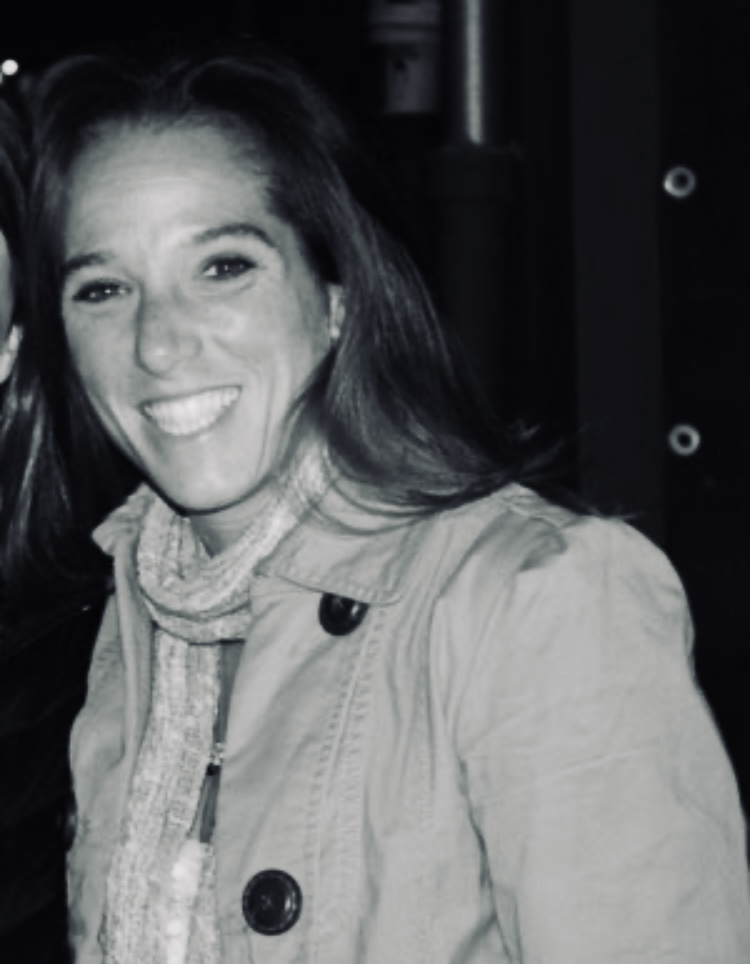
Briana Gervat received her B.A. in Art History at The University of Mary Washington and an M.A. in Art History at the Savannah College of Art and Design. After completing graduate school, she travelled to Rwanda to continue her studies on the Rwandan Genocide and the art of East Africa. Her prose, poetry and photography have been published in anthologies, magazines, and online publications. She has self-published three travel memoirs: Mosaic, I Once Was a Pilgrim, and There Will Come Soft Rains: A Journey Along the Western Front. All of which can be found on Amazon.
She currently lives in New York, but dreams always of France.

