Apple Podcasts
 Spotify
 Youtube Music
 Covert Narcissism: Breaking Free After 29 Years (feat. Mia Hanks)

You don’t always recognize abuse when you’re in it.
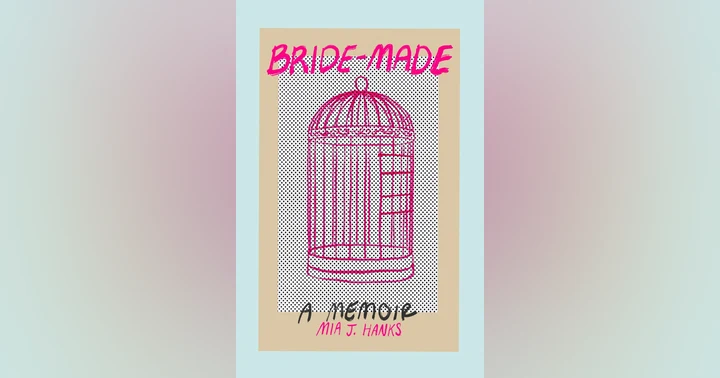
In this deeply emotional and eye-opening episode of Travel Time Stories, Shannon and Ann sit down with Mia Hanks, author of the award-winning memoir Bride-Made, to talk about her 29-year marriage to a covert narcissist—and the long, painful journey to understanding what she had been living through.
Narcissistic abuse doesn’t always look the way we expect. It can be quiet. Subtle. Confusing. It can make you question your reality, your worth, and your voice. For years, Mia didn’t have the language for what she was experiencing. Like so many others, she found herself trapped in a cycle of gaslighting, emotional manipulation, and coercive control—feeling stuck by fear, financial dependence, and the hope that things would change. But eventually… something shifted.
In this conversation, Mia shares:
What covert narcissistic abuse really looks like
How gaslighting and manipulation affect your sense of self
Why it’s so hard to leave these relationships
The moment she realized she needed to break free
What healing and rebuilding life looks like after abuse
Most importantly, Mia’s story is a reminder that:
✨ You are not alone
✨ What you’re feeling is real
✨ And there is a way forward If this episode resonates with you—or with someone you love—please share it. You never know who might need to hear these words.
💬 Comment below: What part of Mia’s story stood out to you most?
⚠️ Content Note: This episode discusses emotional and psychological abuse, including narcissistic behavior and coercive control.
❤️ If you or someone you know is in an unsafe situation, please seek support from a trusted friend, professional, or local resource.
Subscribe for more stories of healing, resilience, and transformation.
Find Mia at: https://miajhanks.com/
Join our community The Story Circle: https://www.traveltimestories.com/join/
Our website: https://www.traveltimestories.com/
Until next time… Keep traveling your story and keep making memories for life. #narcissisticabuserecovery #narcissiticabuse #narcissism #narcissist #narcissists #covertnarcissist #covertnarcissism #abuserecovery #healingjourney #healingfromabuse #healingfromtoxiclove #healingfromtrauma #newpodcastepisode #tunein #traveltimestorieswithshannon #authorsofinstagram #memoirs #indieauthors #podmatch
SPEAKER_01
Every journey has a story. And every story has the power to heal. My story hasn't been ordinary. I was adopted, I'm a survivor of abuse and trauma, and I have more than a dozen siblings. That's just the beginning of my story. Life has taken me on a long and winding road of healing and personal growth. A journey that ultimately led me back to myself and the path I was meant to walk. Along the way, I discovered that stories have power. The power to connect us, to help us grow, and even to help us heal. This is Travel Time Stories with Shannon. Real journeys, real stories, and real healing. You don't always know you're being abused. Sometimes it doesn't look like shouting or bruises.
SPEAKER_00
Sometimes it looks like confusion. Like constantly questioning yourself, always feeling like you're the problem.
SPEAKER_01
Loving someone while slowly losing who you are.
SPEAKER_00
And sometimes it takes years, decades even, to realize what's really happening.
SPEAKER_01
Today's story is about that realization and what it takes to finally break free. Trigger warning for listeners, please know this episode does discuss emotional and psychological abuse, including narcissistic behavior and coercive control. If you or someone you know is in an unsafe situation, please seek support from a trusted friend, professional, or local resource. Welcome back to Travel Time Stories, where we share real journeys, real stories, and real healing. I'm your host, Shannon from Texas, and I'm joined by my co-host Ann from Missouri.
SPEAKER_00
Today's episode is a deeply important one. We're talking about something that often happens quietly behind closed doors, but affects so many people narcissistic abuse.
SPEAKER_01
We're joined by Arthur Mia Hanks, a survivor of a 29-year marriage to a covert narcissist and the author of the award-winning memoir, A Bride Maid.
SPEAKER_00
Mia is now using her voice to help others recognize the signs of abuse, understand what they're experiencing, and know they are not alone.
SPEAKER_01
Mia, thank you so much for joining us tonight. And we're so excited to talk to you, hear your story, and thank you again for your courage to write your book. Thank you so much for having me.
SPEAKER_00
Everyone, grab your favorite beverage and let's get into it.
SPEAKER_01
So, Mia, let's start at the beginning. Before you had the language for what you were experiencing, what did your relationship look like in those early years?
SPEAKER_02
Um, you know, I I knew from the very beginning that something was off. But I think in the the earliest part of my marriage, I got married very young. I was 21 years old. And I think I was just um intent on making this marriage work. You know, um I couldn't see any other way. And so I normalized a lot of the behavior that I was seeing, the lack of empathy. Definitely I knew something was off. And over time I I began to think that that problem, that the thing that was off must be me. Uh so my the early days, I guess um, a lot of confusion, really. A lot of confusion um and a lot of of just accepting my situation and trying to make it into something normal.
SPEAKER_00
Make it work.
SPEAKER_02
Make it work. Yeah. I mean, you know, you you don't get into a marriage just to get divorced. And so it just seemed to me that, you know, and I I think I wanted to write a lot of it off as kind of growing pains, so to speak, uh, and say, well, you know, we're we're young and and and these, you know, these things will work themselves out as we both mature and get farther into this marriage and, you know, just kind of sweeping things under the rug. That's really what I became a master at doing.
SPEAKER_00
Right. You know, you describe your ex as a covert narcissist, which can be very different from what people typically imagine. Can you explain what that looks like in your day-to-day life?
SPEAKER_02
Yeah, so covert narcissism, you know, these people to the outside world, they look like anything but a narcissist. They present as the complete opposite. So out in public, he's kind, he's charming, he's empathetic, he's sympathetic, he's this all-around wonderful guy. You know, he could be husband of the year. Behind closed doors, he's manipulative, he's a he's verbally abusive, he's controlling. And the problem with covert narcissism is that it makes it very difficult to find people who will believe the victim. You know, everybody that knew him, our mutual friends, and we didn't have many friends, but our mutual friends, uh, you know, nobody would believe me that if I even tried to talk to somebody, which by the way, I never did. But it was, you know, he had this great um, you know, sort of persona that he was, and it was all false, you know, it was just a mask he was wearing, but I think he was very convincing to people around him. So it really becomes a dangerous situation for for the victim when when they're dealing with a covert.
SPEAKER_01
Yeah, it makes it extra hard when it's a covert and they've they've got that disguise mask on when they're out in public in front of everybody else and have everyone around them believing that, oh, they're just Mr. Wonderful, you know, and the wife is the crazy one. Yeah.
SPEAKER_02
Yeah. And you know, that was um, it was it became very evident that that was kind of the narrative that he'd been selling when we ended up getting divorced. And um, it was interesting to see that all those people basically sided with him. You know, I mean, he kind of took all the friends with him. Um that was hard, but uh, you know, in retrospect, it is what it is. Uh, but yeah, I mean, he he's very convincing and and just these people tend to be um, they have a lot of charisma and charm, and and he was no exception.
SPEAKER_01
Yep, I can totally relate to that. Yes. And so most of the signs that people miss are the emotional manipulation, the gaslighting, the coercive control, the subtle isolation, those kinds of things.
SPEAKER_02
Yeah. Um, those those are all present in in a relationship with a narcissist. I mean, you can't escape any of those things, unfortunately.
SPEAKER_00
At what point did you realize something wasn't right?
SPEAKER_02
Um, like I say, early on, I I did notice that lack of empathy. And and I I can vividly remember being sick one time early in our marriage. And rather than him being empathetic or sympathetic or trying to help me, his response was that he was angry with me. And I thought, how strange, you know, who gets mad at somebody because they're sick? Um, but for him, being a narcissist, it inconvenienced him. And and looking back, those are the things that that kind of made him the angriest that would would really um trigger him was anytime he was inconvenienced. He felt like he was too important and he was too good to be to be inconvenienced in any way, shape, or form. And so definitely that was, you know, one of the first things I saw, just that there was no empathy. He just, it was like he could, he could fake empathy in public, but he did not possess empathy. And um, I think that was the biggest red flag in the first one that I noticed.
SPEAKER_01
Yeah, that part of the story in the book, when you talk about being at the emergency room with uh one of your children, and you know, he couldn't even be bothered to go and pick up your other child from school or anything like that. There was no concern. I that totally hit home for me. I had an instance where I was at the well, actually, he took me to the emergency room because I was in extreme pain and had no clue what was going on. And then once I got into the emergency room and they were starting to run tests to try to figure it out, he tells me, Oh, I'm I'm not feeling well, I'm leaving, and just left me at the emergency room.
SPEAKER_02
I I can totally relate to that. I mean, it's like uh and and like my story, you know, he my my ex-husband was uh he had a cold, you know, he didn't feel well, he had a cold, for goodness sakes. Yeah, he had rust, you know. And it's like, are you serious? I mean, how I I can totally relate to that. Yes.
SPEAKER_01
Yeah, that that impacted me when I read that part of the story. I was like, oh my gosh, I'm I'm not the only person that's had that experience.
SPEAKER_02
Yeah. And you know, it was it was interesting. The um the, you know, that I had to basically check myself out of the emergency room. I had to sign a waiver, you know, saying that I'm uh checking myself out against doctor's orders. And I thought, this is just wrong. I mean, but you know, it was just one of those things. I I just again, I swept it under the rug. I thought, well, it'll get better. You know, it'll get better in time. He's gonna change. Things are gonna get better when the kids get older and we don't have as much stress and and life's gonna get good at some point. Um, but that was just a lie I was telling myself.
SPEAKER_01
Right. Yeah. To try to help you to try to help you mentally uh make sense of why you're staying and why you're putting up with that.
SPEAKER_02
Yeah, yeah. I mean, there really is um an element of embarrassment. And I think after you've been in a marriage or relationship with somebody like this for this long, at some point it just becomes, you know, it's like I can't leave because then how do I explain this to other people? Like they're gonna say, well, why didn't you leave if it was so bad? You know, and so you just think, I'm stuck. I I just can't, there's no way I can explain this away. Um, and so the lesser of two evils is just to stay. And of course, that's what I did.
SPEAKER_00
And the longer you stay, the more that embarrassment becomes complete and utter humiliation.
SPEAKER_02
It really does. And, you know, I think a lot of people don't understand that. They think that's just not something they would think would would factor into a woman's decision to stay with an abuser. But there is, and it is it is embarrassing to say, yeah, this is the behavior that I put up with and I allowed this for this many years. You worry, what are people gonna think about me? At the end of the day, it doesn't matter, right? What people think. What matters is that you get out and you get free and you're in a safe place. But um, at the time when you're going through it, you just I couldn't shake the feeling of how does this make me look? You know? Um, this makes me look like a fool. And that's just one that's just one reason I think why why women get stuck in these relationships, but it definitely is a big piece of it.
SPEAKER_01
Yeah, exactly. Because narcissistic abuse impacts how you see yourself. It does. And so how did this relationship affect your identity and your self-worth over these 29 years?
SPEAKER_02
Well, you know, I mean, I think every year I got less secure about myself. I was more insecure with with every passing year. I really felt like I could not manage on my own. I didn't have the skills, I wasn't smart enough. I I just didn't have what it would take to, you know, to do life on my own. So he really had me believing I couldn't do things that I've now in my, you know, healing, my healing healing moment, I have realized, oh, I can do these things. I never thought I could do these things. So I was very much, you know, in this fog. And uh I was very sleep deprived, uh, at least at the very end of my marriage. And, you know, you just I wasn't thinking clearly. And you just really do. You start to believe their lies that I'm really not worth anything. I I I should be lucky that I'm married to them. Um, I should count myself lucky because I was told that all the time. Uh, you know, nobody else would put up with all of your phobias and all of your anxiety. Um, so you're really lucky to have me. And and you just start to believe it. And and your sense of self just slowly slips away.
SPEAKER_00
Did you ever question your own reality or feel like you were the problem?
SPEAKER_02
Oh, I always felt like I was the problem. Yeah. I mean, probably up until the last year or two uh when I started kind of questioning things, he always told me I was the problem. And I I completely believed it, uh, completely. And it seems, you know, how how could you really believe such outlandish lies and whatnot? But, you know, it starts slow. It's not all of a sudden that, you know, they don't just wake up one day and say, you're the problem. It's a very slow kind of snowball effect. And over time, little by little, you start to believe all of these crazy things. And so yeah, I did believe I was the problem. I just couldn't figure out what I was doing that was creating such a problem. So I was very confused.
SPEAKER_01
Yeah, and that's something so many people experience and they don't even realize that it has a name.
SPEAKER_02
Yes. Um, and that for me was the turning point, you know, when I started doing a deep dive into this relationship, saying, what in the world is going on? Um, I just I was at my breaking point, I couldn't take it anymore. And when I discovered there was this was an actual thing, it was a diagnosable condition, it had a name and it checked every single box. Um, you know, it was like a whole new world opened up for me. It was like, finally, you know, I it's not my imagination. I I thought maybe I was just, maybe I was too sensitive, you know. Um maybe this was normal and this is how everybody lives. Uh, but wow, when I found out about narcissism and specifically narcissistic personality disorder, it it completely changed my whole life.
SPEAKER_00
No, one of the biggest questions people ask is, why didn't you just leave? But the reality is it's not that simple. What made it difficult for you to leave? Was it fear, financial control, emotional dependency?
SPEAKER_02
Uh it was all of the above. Um, it really was. It was it's such a layered thing, and I think people don't realize that. Um, there was financial abuse. I didn't realize it until I left that how, you know, how he had such a tight rein on the finances. When I left and we were separated before I had filed for divorce, he more or less drained the bank account, you know, so that I basically couldn't, couldn't get, I couldn't get, couldn't access any money. Fortunately, I have my parents and they um they took care of everything until I could get a court order. But, you know, I here's the thing, you know, when you leave, you've got to have money. And I I I had not been setting aside money. That's something I should have done. And, you know, it takes money to say retain a lawyer. If you want to file for divorce, well, you've got to have a lawyer, we've got to have money to retain that lawyer. So he made it to where I couldn't access anything. You know, I couldn't go get an apartment. I didn't have pay stubs to show my income. I had nothing. So um definite financial abuse was going on behind the scenes that I didn't realize until I left that I had no access to anything. Um, I didn't even have a credit card. Which, you know, after I left, I thought, well, why don't I have a credit card? Um, I had a debit card. And during the marriage, you know, I thought, well, this is all I need. I'm good. I can buy anything I want. Life is great. Um, and that worked out great until he drained the account. And then I had nothing. So um definitely the financial piece is huge. The fear is uh is another huge, huge piece. Uh, I was scared. I did not know what his reaction would be. Uh, and I really didn't want to find out. But I yeah, at the end of the day, I had to just take a leap of faith and say, I don't know how this is gonna work out. I don't know what he's gonna do. Um, I don't know, I don't know what the next chapter looks like or how I even get there, but I have to get out. Yeah, there's just a lot of reasons why people don't leave. And also, kids, you know, I think that was one thing that kept me in that marriage. It kept me from leaving sooner than I did. I I could not envision sharing custody of my children with him. And so that was a big piece of it. Now, in retrospect, that was not the right decision. You know, I was staying for the kids, I didn't want to break up my family, I didn't want to share custody. I had good intentions, but uh really looking back, we all would have been better off had I left years and years ago. But hindsight is 2020, and you know, you do the best you can.
SPEAKER_00
Right.
SPEAKER_01
Exactly. And so many people, you know, in their mind or tell themselves I'm staying for the kids because it would be worse on the kids if we split up or whatever. But honestly, your kids pick up on so many emotions that you're not even you don't even realize that they're picking up on. Yes. And yeah, it's more detrimental for them to be in that type of emotionally charged environment than it is if you get them away from that.
SPEAKER_02
Yeah, it absolutely is. And I think, you know, in my generation, you know, we're taught that you keep your family together. You know, it's it's the right thing to do. And and I wanted to do the right thing. And, you know, how how dare I let my children be children of divorce? I mean, you know, and disrupt the the family unit when in actuality that would have been the best thing I could have done. Uh, but you know, I didn't do it. And and I would just I would really encourage people out there who if you're in an abusive relationship and you think you're staying for the kids, you're it's not for the kids. You know, it's the best thing you can do for the kids is to get out. Right. Exactly.
SPEAKER_00
Not a healthy environment for them.
SPEAKER_02
No, it is not. And, you know, my kids, they I didn't leave until they were both grown. They were both the youngest was graduating high school. And, you know, um, all they witnessed was an unhealthy relationship. I mean, they only witnessed dysfunction. So I hate that, you know. I I hate that that's the picture they have of what a marriage is. And it's that does, I have a lot of regrets about that.
SPEAKER_01
But I'm sure now your kids would say to you how proud they are of you. Yeah.
SPEAKER_02
They they are very, um, very glad that I that I got out. Very glad. Um, and you know, they both say, wow, mom, you should have done this a long time ago. Um, I think my relationship with my kids today is better than it's ever been. Um, partly because now they're grown and we can have these conversations. You know, we can talk about why I left and what, you know, what what the what's wrong with their dad, basically. Um, they still have a relationship with him, as they should. He is their dad, but we can kind of have those hard conversations because they are Grim now. And it I think it has strengthened our relationship.
SPEAKER_00
I love that.
SPEAKER_01
Yeah, that's good. And um, one of the things you mentioned was the financial control when and not having a credit card or anything like that during the marriage. Did he also control like how much you could spend or what you could buy, those types of things during the marriage as well?
SPEAKER_02
Um, you know, not not so much. He he did keep a pretty tight control on finances. You know, he he's he checked everything, check, check and double check. But I can't say that I ever did without anything that I wanted. I mean, he happens to be a very wealthy man. Uh, and so, you know, I will say I I did have everything I wanted. It was uh it was it it should have been a very charmed life. Right. But um uh those things are and it was nice. It was nice to have the the gorgeous house behind the gates and the nice cars and the nice, you know, private schools for my kids. Those things were nice, but uh was it worth what I went through to have that? No. Um, you know, it it's nice things are nice to have, but it doesn't you can't buy peace, you know. Uh and it was it's it's the peace that I have now that is worth so much more than that extravagant life was.
SPEAKER_01
Right. Financial security is great, but emotional security is worth so much more. Yes.
SPEAKER_02
So so Much more. I mean, um, yeah, you know, and and he he still lives this insanely extravagant life and and he's engaged now, getting married soon. And, you know, I I hear about all the extravagant trips and the crazy, you know, ways of living that they're doing. And I think, you know what, I'll take my my nice, simple life that I have now. Um, I have no no regrets, no regrets about leaving. I would never go back to that if you, you know, if you gave it to me, I would never take that back. I just, yeah, that was I I'll take what I have today. It's I have peace, I feel safe, I feel secure, and those things are are so much more valuable.
SPEAKER_01
Right. So, what would you want people to understand about victims in these situations?
SPEAKER_02
I think, you know, one thing you have to think about if you know someone in a situation like this, you can't tell somebody to leave, you know, um, and and it can be painful to watch someone self-erode under domestic abuse. You really have to have patience with these victims and they have to come to the realization themselves. And that's kind of a it's sad because some of them never do. And I think part of that is just not having the education about these subjects, you know, about narcissism and and realizing it's not your fault, you know, it's you're you're really being victimized. But it's hard to watch somebody go through this, but you really do have to be patient and let them come to that realization that, you know, they they're not gonna leave till they're ready to leave. And for me, that was 29 years.
SPEAKER_01
Before we continue, I want to share something really special we've created for this community. If you've ever listened to an episode and felt something deeper, like a moment that stayed with you or a story that made you reflect on your own life, we wanted to give you a place to go with that. We've officially launched our Travel Time Stories membership, where you can go beyond listening and become part of the experience. Inside the membership, you'll get access to the Story Circle, our private community where we reflect on each episode through guided journal prompts, share our stories, and connect through monthly meetups. There are also additional tiers with opportunities to go even deeper from storytelling and sharing your voice to being part of the creative journey behind the scenes and joining us on our yearly group travels. If this speaks to you, you can join us through the link in the show notes or visit our website, traveltimestories.com. We would truly love to have you join the community. Yeah, and it's gonna be different for everybody. Like you say, some people will never leave, but it'll be different for every person. And if you know somebody in that situation, the best that you can do is to continue to support them, to be there for them, um, and keep hoping that they're gonna wake up. And if they don't, at least you were there for them and they need that.
SPEAKER_02
Yeah, definitely. I mean, I would say to anybody who's watching someone go through this, you know, provide that support, be that person that they can come and talk to with without judgment, but realize that you can't, you know, you you can't force them to leave. It is something they have to decide on their own.
SPEAKER_01
Right, exactly. And anybody listening, if you're in that situation and if you've been in that situation for years and you're not leaving because, like we talked about, you're feeling shame or you know, can't fathom what stepping out on your own is gonna look like. That's scary to take that step out on your own for the first time. But trust me, it is so worth it, and you'll thank yourself later. Yeah, I I completely agree with that. So, what was I know we talked about one of the moments that was a turning point for you or a shift for you, and that was the when the whole emergency room episode, but was there another moment or a turning point that shifted something for you?
SPEAKER_02
Yeah, you know, the at the very end of our marriage, we were in marriage counseling, and oddly enough, it was his decision to go to counseling. Narcissists love to go to therapy because generally they can manipulate the therapist. But I think it was a big turning point for me when we were sitting with a therapist. Uh, we had been probably about eight, eight, nine, ten sessions with her. What uh on that last session, she literally kicked my husband out of therapy and told him, you know, I've been sitting here listening to you prattle on for, you know, 10 weeks or whatever, and you just cannot see things from other people's perspectives. You don't, you're not self-aware, and I can't help you. And she wished him, wished him the best and said, you know, I don't see a resolution here. And uh, you know, I can't continue to take your money. Please don't come back. And that was um, that was an eye-opener for me because I thought, wow. So after that, I contacted her in secret and met with her. I I didn't want him to know. And so we did a Zoom meeting. I sat in a Walmart parking lot and talked with her over Zoom. And uh, you know, I asked her, I said, I I think he's a narcissist. And, you know, she she couldn't, she was not qualified to diagnose him, but basically she said, yeah. And she then asked me if if I wanted to leave, if I wanted out, and I said, I do. And she she advised me not to go back. So, you know, it it um I think having validation from somebody outside the marriage, somebody outside my immediate family was a huge thing for me to to hear. Like, wow, somebody else thinks he has a problem rather than just my parents, you know. Um and this is a professional, and and she clearly is disturbed by this. That was a huge moment for me. And and I did leave uh and I and I did not go back.
SPEAKER_01
Well, kudos to her because that shows what a great therapist she was.
SPEAKER_02
That she was willing to kick him out and not take his money anymore. Yeah, and you know, it's it's not the norm. Um, unfortunately, a lot of times these narcissists can charm the therapist, and and they like to use therapy as a means to get what they want. So we would go in week after week, and he would talk about me. And here's all the problems with her, and here's all the things I want her to change, and here's how she could do better, you know. And um, fortunately, this particular therapist that he chose, by the way, it was all on him. Um, it backfired and she saw right through him. So yeah, kudos to her. It was um that was a big turning point for me.
SPEAKER_00
Wow. Mia, what gave you the strength to finally leave after 29 years?
SPEAKER_02
You know, I think it was just I it it was a point of desperation, you know. I I can't say that it was strength really. I I wasn't strong at all. It was more that my physical health was was declining at such a rapid rate. I was just feeling sick all the time under the stress. I was suffering from chronic pain, stomach aches, headaches, panic attacks, absolutely no sleep. And it was like I reached a point where, you know, I I have to get out of here. And fortunately, I was I was lucky I had somewhere to go. I I went to my parents and literally I moved in with my parents. And uh that was, you know, a lot of people don't have that. So I was very fortunate. But yeah, I I wouldn't say it was strength at all. It was more just this isn't sustainable anymore. And I felt like that therapist kind of gave me permission to leave. I I was really waiting for that permission, but I I knew I could not sustain life anymore with him. It was it was just breaking me down.
unknown
Wow.
SPEAKER_01
And when you finally did leave, what did that moment feel like emotionally?
SPEAKER_02
It I was terrified because I didn't know what he was gonna do. But I can remember that first week at my parents' house. I think I I think I slept. I mean, I I just remember sleeping. I can't remember much about that that week first one or two weeks, um, other than just sleeping. I was so tired. My body was so weary, and I can remember feeling so clear, you know. It was like I felt this fog lifting, and and it was really just getting that sleep that my body so desperately needed. It was such a relief. Um, I felt like I could breathe, you know, I didn't feel suffocated. So it was it was a great feeling on one hand, on the other hand, you know, I was terrified. But wow, getting that sleep was just it was wonderful.
SPEAKER_00
You felt safe in your environment. So your body actually was able to relax and and let go a little bit, I think.
SPEAKER_02
Yeah, that is exactly, exactly how I felt. And just that release was so healing, really.
unknown
Gosh.
SPEAKER_00
So after leaving, the the journey doesn't just end, it begins in a different way. What did healing look like for you?
SPEAKER_02
You know, it was I think it's ongoing. I don't think there's, you know, uh there, there it's there's not a timeline. I think everybody's timeline is different. But for me, it was just, I I think just taking baby steps, you know, and and realizing day to day things that I could do that I never thought I could do, and realizing that I'm I'm more capable than I thought I was. So it's it's letting go of all that anxiety. You know, I'd lived under really this fight or flight and being able to let go of that and not feel so letting myself relax, you know. I almost had to teach myself how to relax again. And I can remember when I moved into my own place and feeling like, you know, I can go to bed anytime I want to go to bed, and I can watch what I want to watch on TV. And it was the freedom was was literally overwhelming. Like I didn't know if I should feel guilty about going to bed too early, you know. And um just you just have to tell yourself it's okay. You know, like I can actually, I can watch TV for two hours if I want to, and I can go to sleep at seven o'clock if I want to. Um, and and learning to feel like that's okay. You know, I don't have to answer to anybody. But that that really was probably one of my biggest hurdles in the beginning.
SPEAKER_00
I think that yeah, that would be so hard.
SPEAKER_02
It really is. I mean, you feel guilty about taking care of yourself. You just feel like I can't, I'm not allowed to do this, you know. Um, and it seems crazy. Somebody who hadn't lived under those type of constraints probably can't understand that. But you do, you feel guilty about doing something nice for yourself or indulging yourself in any way, you know, going out for a nice meal. It feels like I'm not sure I should be doing this. But um, it it takes time, it really does.
SPEAKER_00
Like you said, baby steps.
SPEAKER_01
Yeah. Yeah, for sure. Yeah, your body had been in fight or flight mode for so long, that survival gear, and you had spent all of that time taking care of him and the kids, not yourself. And yeah, so you you have to retrain yourself how to do that and give yourself permission that it's okay to do that. Self-care is a must.
SPEAKER_02
It really is. And um, you know, I think as victims of narcissists, we don't we don't get to practice self-care. And if we do, we'll hear about it for a month, you know.
SPEAKER_03
Oh, yeah.
SPEAKER_02
Yeah. You know, I mean that the the the smallest thing that we might do for ourselves is like, wow, you are so lucky you got to do that because, you know, I'm such a good husband that I let you, you know, go have fun with your parents or whatever. I mean, it's like it's not even worth it. It's not even worth doing something nice for yourself because you have to hear about how lucky you are and how wonderful he is. And it's just, yeah, it's so obnoxious that you just think, well, it's not even worth it. I just won't do anything nice for myself.
SPEAKER_01
Exactly. You it's it's just easier just to bury yourself than to do something for yourself and have to deal with the after effects that he's gonna put on you for doing it.
SPEAKER_02
Yeah. I mean, I think my whole mantra during most of those years was just don't make waves, you know, just go along to get along and just make it to the next day. And that's kind of how I lived. And and I look back now and it's like, why did I put up with that? You know, how how in the world? Um, if I had to go back and live that again, I couldn't. I wouldn't survive it. So I I can't believe that I that I lived that way and that I allowed it, but uh I did.
SPEAKER_01
So how did you begin to reconnect with yourself? And how did writing Bridemaid become part of that healing process?
SPEAKER_02
Well, one thing I did as soon as I as soon as I left and while I was uh going through my divorce, I did find a therapist who was very well versed in narcissism. Uh she understood it. And I I went to weekly therapy for a year. And I think that really, you know, therapy is not, it's not a cure all. It's not going to fix all your problems, but I feel like it set me up for success. You know, it sort of set me off on the right footing. So that is something I would definitely recommend to other people. Interestingly, uh, one of the things that we dealt with a lot in in those early therapy sessions was the guilt. I had tremendous, tremendous guilt about leaving. I don't know why, but I did. And I really struggled with it. And so my therapist, one thing she asked me to do, she said, she said one day, she said, When you get home, I want you to take out a notebook and a pen. And I want you to write down every traumatic event that you can remember that happened in your marriage. And then when you start having these waves of guilt and feeling like you shouldn't have left, I want you to pull that list out and I want you to read it and remember why you left. And so I did. Um, I had never been one that journaled or anything like that. So, but I did. I made that list, and um, ultimately that list became my book. When I decided to to write a book about all of this, I just took that list out and I thought, okay, you know, chapter one, I I'm just gonna tell all these stories. And um, and so that's what I did. And so I think it was very therapeutic.
SPEAKER_00
You're now helping really powerful. It's so powerful, Mia. You're now helping others recognize these patterns and and find their voice. What message do you hope your book sends to someone who feels stuck?
SPEAKER_02
Well, I hope that it sends a message of validation. You know, you're not crazy, you're not making this up. This is a real problem. It's a it's a diagnosable condition, it's a personality disorder. And it is absolutely okay for you to leave, to for you to save yourself and get out of this. And I also hope that people can see that even though you feel like you are stuck, you know, you've been in this relationship for a long time, you'll never be able to untangle from it. I hope people can see that, yeah, you can, no matter how long it's been and how enmeshed you are, um, you can absolutely find your way out. There is a path forward, and you can't you can get out and save yourself.
SPEAKER_01
Exactly. And it doesn't matter if you've only been in it for one day, two days, or 29 years or longer, the path out is the way. Yes. And on a note to your therapy, when you when you mentioned that, you know, therapy isn't a cure all or fix all your problems, that kind of thing, I totally agree with that. And what therapy does for you, essentially, it especially after your first out, is helps you to remember who you are, why you're why you are out, and then how to take steps to move forward.
SPEAKER_02
Yeah, exactly. That's that was my experience exactly. She had to, my therapist had to remind me every week why I left, you know, because it was almost like I I forgot, you know. I I I would start to doubt myself and say, I'm not sure I did the right thing. You know, I left him. I I remember saying to him, I think I ruined his life. And she said, uh, I think he tried to ruin your life, you know. Um, so you do, you need that person to say, remember why you left.
SPEAKER_01
Yeah, exactly. I I feel like therapy is very, very important. And whatever, whatever form of therapy that you choose to partake, I any form of therapy is essential, I feel like, once you're out of these situations or even while you're still in it, if you can go to therapy to help you to get out of the situation.
SPEAKER_02
Yeah, yeah. And I think a lot of people, I don't know what the statistic is, but you know, a lot of people do end up going back to their abusers. My ex-husband put on a great show. You know, he made out every kind of promise how great it was going to be if I came back. And I really, as badly as I didn't want to go back, I really seriously considered going back. I felt like it was my obligation to go back. And I think had I not been in therapy, um, I may have, you know, and and I I remember my therapist saying, you know, people who who leave these situations and they go back, most of the time they don't get out again. I mean, you know, you you've let them win. If you go back, you've let them win. And it's worse. Uh it will be worse. She told me that. She said, I care I can guarantee you that uh she said you'll probably have two good weeks and then it's gonna get worse. Because then he has to, you know, he's gonna be vindictive because you left.
SPEAKER_00
Right.
SPEAKER_02
Um and it it's going to get worse. And she said you were not gonna get out again. And that was powerful. I'm like, okay. All right, I I won't go back.
SPEAKER_01
And wow, I'm glad I didn't. Yeah, that's that's so true. And I'm just gonna be honest and tell you that when you first leave, the temptation to go back is so powerful and so strong, it's really hard to fight against it. It's basically like you feel when you're addicted to something and you have to give it up. Those first, you know, weeks or whatever, days, hours after the fact is so strong. But if you can just fight against it and stick it out, it gets easier and easier the longer that you're out and the more that you heal through therapy or whatever modality that you choose to get help with. But I remember uh when I first left, I would actually drive back and park a little ways away so nobody could see me and just sit in my car so that I could see him. Yeah. And then I would cry in in my car because I knew I didn't want to go to him. I didn't want to go back, right? But just that pool and it hurt so bad that I would just literally cry.
SPEAKER_02
Yeah, I I totally understand that. I, you know, I can't say after I left, I I honestly, and this may make me sound really callous, but I never missed him. Um, I I think it was it was just so bad that I was so grateful to be out. I never missed him for a second. But what I did feel was obligation. Um, I felt obligated, you know. I can't leave him. I'm obligated to be there for him. And uh I, you know, and I felt bad. I felt bad for him. So it wasn't that I wanted to go back because I missed him or anything like that. I wanted to go back because I felt like that's where I'm supposed to be, you know, and that's this just that's my job. Um, he was kind of my full-time job. And yeah, it is it is so, so hard. You think, why would somebody want to return to an abuser? But it's hard to explain. It really is. But there is that pull. Um, you just feel like I can't do this. I I'm not supposed to leave, I'm supposed to stay. And uh it's just, you know, you gotta get out from under that fog.
SPEAKER_00
I I think a lot of that pull is guilt.
SPEAKER_02
It is. It is. I was literally overcome with guilt. Yes. You know, I I just could not hardly stand, you know, I kept I kept thinking, am I a bad person because I you know, because I left him and and how could I do this to him? And never mind what he did to me, you know, it was just I for some reason I could not see, I couldn't see it for what it was. But the guilt was consuming.
SPEAKER_01
And that's how you know you you were not a bad person, that you're actually a good person, because a bad person would have never felt guilt.
SPEAKER_02
Right. And uh, you know, my my ex-husband, I I don't think he feels an ounce of guilt to this day. Um, I think he, you know, he feels like he did the right thing and and he tried as hard as he could try. But, you know, my wife just up and left me. She just had a midlife crisis. I guess that's what he's saying. I don't know what he's saying, but you know, he's saying something because it's your fault, Mia.
SPEAKER_00
Whatever happens.
SPEAKER_02
It's whatever, whatever it was was my fault. And interestingly enough, shortly after after the divorce and everything was finalized, um, it was funny how our quote unquote mutual friends people started defriending me on Facebook. Uh, people, you know, have people that won't talk to me anymore. And and it's all based on what he's told them. And I have no idea, you know, what what his story is out there on the street, but uh it's not a good one, I can tell you that. Um, he and he's he's convinced all these people, you know, that I don't know what he's saying, but I'm definitely the the villain in his story.
SPEAKER_01
And you know, it it is what it is. Exactly. And those people that would believe him and befriend you, uh good riddance me up because they're not worth having.
SPEAKER_02
It um, you know, it took me some time to kind of to kind of adopt that that attitude. Um, at first, you know, it's really heartful. You think, well, what is he saying? And all these people, they won't talk to me and they think I'm a bad person. And, you know, it it sort of just makes you sick. But yeah, I after a while, I'm like, you know, it it's it's time to move on. It's time to move on.
SPEAKER_00
I think you realize you're so much happier to finally feel free.
SPEAKER_02
Right, right. I I wouldn't trade the the feeling of freedom for all of those friends, you know. I mean, he can have them. It's okay. I'll have my peace and my happiness and and my nice, you know, quiet life. I I I love it.
SPEAKER_01
So, what does trusting yourself again look like, Mia?
SPEAKER_02
That's hard, you know, because I I was so it was so ingrained in me that I couldn't do anything right. That was a big thing with him. You can't do anything right. Everything you do, you mess it up. And so you you do second guess yourself and think, I don't know if I'm capable of making life decisions. But I think just, you know, again, those baby steps and and you make a small decision and you say, well, that worked out pretty good. And maybe I'm capable of, you know, it's it's just learning uh that you are capable, you know, I'm I'm an adult, I I'm an educated person. I I'm not what he told me I was. So uh it's just those little things you start learning to trust yourself slowly over time.
SPEAKER_01
Well, Mia, your story is incredibly powerful, not just because of what you've been doing, but because of how you've chosen to use your voice to help others.
SPEAKER_02
Well, thank you so much for for letting me come on. And yeah, thank you so much.
SPEAKER_00
Uh you know, you're you're giving people something so important, Mia. Clarity, validation, and hope. Can you tell us briefly about your new book, I've made plans? And where do the listeners find your books and connect with you?
SPEAKER_02
Yeah, sure. So I I decided to do a follow-up memoir. I I kept getting asked the question, what happened after your divorce? You know, people wanted to know what what did you do? Like how did you how how did you rebuild, basically? And so I I I did another memoir, um, and it's called I've made plans, uh a memoir of rebuilding. So my book, uh, my first book is available on Amazon. It's called Bride Maid. And then my second book will be uh the ebook will be launching on April 16th, and it will be uh 99 cents. It'll be a special, special read of 99 cents, and uh then the paperback will follow, I think about a week later. So um, yeah, please look me up. And I I do have a website, uh Mia Jhanks.com.
SPEAKER_00
Awesome.
SPEAKER_01
Well, thank you so much again, Mia. And I highly recommend everybody get a copy of Pride Made. Uh, I have read it three times now, so it's definitely a great read. And I will be one of the first ones to purchase I've made plans because I can't wait to hear the rest of the story. And your courage, your honesty, and for reminding people that there is life and healing on the other side. Thank you so much.
SPEAKER_00
And to anyone listening, if this episode resonated with you, please know you are not alone.
SPEAKER_01
There is a path forward. If you would like support and a safe place, please join our private Facebook group, The Story Circle. We will include the link for Mia's books and socials in our show notes, and it'll be on our website, traveltimestories.com, where every guest has a dedicated page so you can learn more about them and watch their episodes.
SPEAKER_00
And we'll see you next time on Travel Time Stories. Until then, keep making memories for life.
Author/Narcissistic Survivor
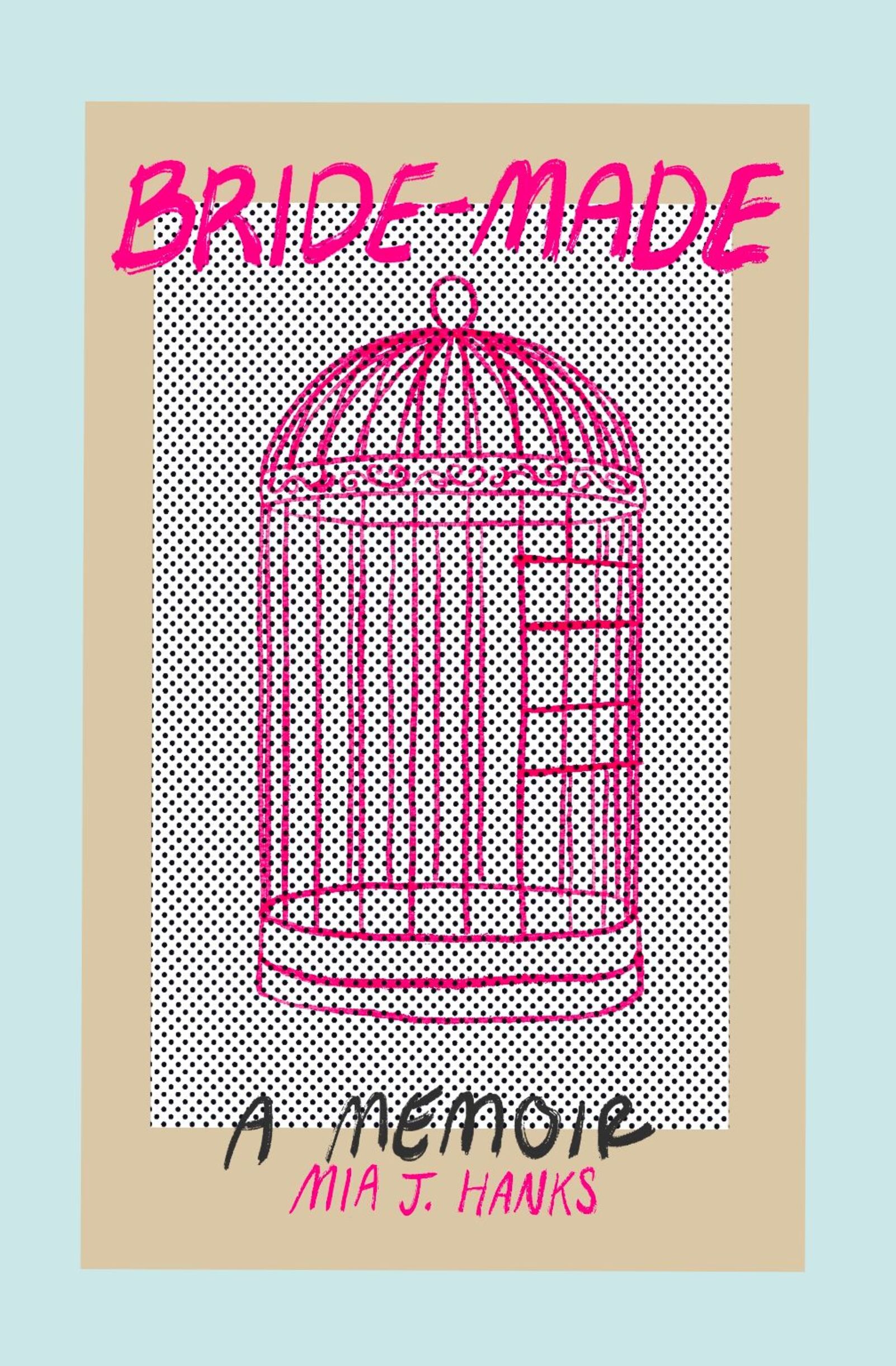
I am a survivor of narcissistic abuse. I was married to a covert narcissist for 29 years and in 2024 I published an award winning memoir titled Bride-Made. I am passionate about raising awareness of narcissism and helping other victims find their voices and know they are not alone. Narcissism is affecting far too many people today and so many victims are stuck in these relationships due to fear, financial abuse and gaslighting and coercive control. I hope that my story can help others break free and find a life outside of abuse.