When Love Becomes a Trap: Recognizing Toxic Relationships and Finding Your Way Back to Yourself
How two women who married the same man turned their painful experiences into a powerful mission to help others heal.
Why do strong, intelligent, independent women find themselves in toxic relationships? And perhaps the more difficult question is, why is it sometimes so hard to leave?
These are questions that many people ask, often without understanding just how complicated the answers can be.
From the outside, it might seem simple. Recognize the red flags. Walk away. Start over.
But for someone living inside a toxic relationship, the reality is rarely that straightforward.
Love, hope, fear, financial dependence, emotional manipulation, and years of shared history can create invisible chains that are incredibly difficult to break.
On Travel Time Stories, we had the opportunity to explore these difficult truths with Dina and Lizzie, the hosts of the award-winning podcast Surviving Toxic Relationships with the Matadoras.
What makes their story particularly remarkable? These two women were married to the same man at different times.
Rather than allowing their shared experiences to define them through pain, they found connection, understanding, and ultimately a greater purpose: helping other women recognize toxic relationships and reclaim their lives.
Their story is about more than surviving a difficult marriage. It's about finding your voice, rediscovering your worth, and realizing that your story doesn't have to end where your pain began.
When the Red Flags Look Like Love
Toxic relationships rarely begin with obvious cruelty.
More often, they begin with charm, attention, affection, and the feeling that you've finally found someone who truly understands you.
That initial connection can be intoxicating.
You feel special. Chosen. Loved.
And when the first warning signs appear, they're often easy to explain away.
Maybe they're having a bad day.
Maybe they're stressed.
Maybe things will get better once life settles down.
Dina and Lizzie both experienced how charm can disguise manipulation. What initially seemed like loving relationships eventually revealed patterns of emotional and financial control.
One of the most difficult realities of toxic relationships is that the person you fell in love with may not be the person you're now living with.
Yet you continue holding on to the memory of who they were in the beginning, hoping that person will return.
Sometimes we become so invested in who someone could be that we stop acknowledging who they are showing us they really are.
And that hope can keep us trapped far longer than we ever imagined.
The Difference Between Working on a Marriage and Fighting for It Alone
Every relationship experiences disagreements. Every marriage requires compromise, patience, and effort.
But there is a significant difference between two people working through challenges together and one person constantly sacrificing their emotional well-being to keep the peace.
During our conversation, Dina shared an important perspective about mutuality in relationships.
Both partners should feel invested in each other's happiness and in making the relationship work.
When that balance disappears, the relationship can become something entirely different.
As Dina explained:
"If you get punished when there's a disagreement or when you say no, that really tips over into some very unhealthy dynamics."
Think about that for a moment.
Can you disagree with your partner without fearing the consequences?
Can you express your needs without being made to feel guilty?
Can you say no without being punished emotionally?
Healthy love should allow room for individuality, boundaries, and honest conversations.
When maintaining peace requires you to remain silent, surrender your boundaries, or constantly manage someone else's reactions, it may be time to examine what that relationship is costing you.
Love should never require you to disappear in order to keep someone else happy.
Why Leaving Isn't as Simple as Walking Away
One of the most damaging assumptions people make about toxic relationships is that leaving should be easy.
"If it's so bad, why don't you just leave?"
It's a question that overlooks the emotional, psychological, and practical realities many people face.
For someone who has spent twenty or thirty years in a relationship, leaving may mean walking away from the only adult life they've ever known.
There may be children, shared finances, a home, family traditions, and an identity deeply intertwined with the marriage.
And then there are the emotional bonds.
Dina discussed how trauma bonds can develop and how powerful those connections can become.
"It's not just time that binds you; it's the emotional connections that can be incredibly strong at any point in a relationship."
These attachments can make it difficult to separate the person you love from the pain they cause.
You may recognize that the relationship is unhealthy while still feeling deeply connected to your partner.
You may know that something needs to change while being terrified of what that change will look like.
And for many women, especially those who have spent decades caring for everyone else, there is another frightening question:
Who am I without this relationship?
When you've spent years identifying yourself as someone's wife, partner, or caregiver, the thought of starting over can feel overwhelming.
But starting over doesn't mean those years were meaningless.
It means recognizing that the years ahead matter, too.
Financial Independence: Taking Back Your Choices
Love and emotional attachment aren't the only reasons people remain in toxic relationships.
Financial realities can create enormous barriers to leaving.
Lizzie emphasized how finances often influence decisions, particularly for women who have been married for decades.
Perhaps one partner has controlled the household money.
Perhaps you've been out of the workforce while raising children or caring for family members.
Perhaps the thought of supporting yourself feels impossible.
These concerns are real, and they deserve compassion rather than judgment.
Dina and Lizzie discussed practical steps toward independence, including setting aside money, exploring employment opportunities, and identifying trusted people who can offer support.
However, financial preparation must never come at the expense of personal safety.
As Dina powerfully reminded listeners:
"Prioritize your safety no matter what, because you can always make money as long as you're alive."
That statement speaks to something we sometimes forget when we're overwhelmed by the practical challenges of leaving.
Your safety matters more than possessions, appearances, or financial security.
For anyone experiencing threats, coercion, or abuse, developing a personalized safety plan with a qualified domestic violence advocate can be an important first step.
You don't have to figure everything out at once.
Sometimes reclaiming your independence begins with one small, safe decision.
From Shared Pain to an Unexpected Sisterhood
Perhaps one of the most inspiring aspects of Dina and Lizzie's story is what happened after their relationships.
These two women could have remained strangers, connected only by their experiences with the same man.
Instead, they found something powerful in each other.
Understanding.
Validation.
Friendship.
And a shared determination to prevent others from experiencing the same pain.
Together, they created Surviving Toxic Relationships with the Matadoras, turning their experiences into conversations that educate, encourage, and empower others.
There's something profoundly healing about connecting with someone who understands what you've been through without requiring you to explain every detail.
Someone who recognizes the confusion.
The self-doubt.
The shame.
The complicated feelings that can remain long after a relationship ends.
For Dina and Lizzie, their connection became more than a friendship. It became a mission.
And their story reminds us that sometimes the people who help us heal arrive through the most unexpected circumstances.
The experience that once made you feel powerless can eventually become the very thing that helps someone else find their strength.
You Don't Need Another Relationship to Be Whole
One of my favorite messages from this conversation was the reminder that happiness doesn't have to come from a romantic relationship.
So often, society teaches us that finding a partner is the ultimate goal.
We're encouraged to find someone, build a life together, and measure our happiness by whether we're loved romantically.
But what happens when the relationship you've invested so much of yourself in becomes the source of your unhappiness?
What if the next chapter of your life isn't about finding another partner?
What if it's about finding yourself?
Dina shared this perspective:
"You do not need to have been in a romantic relationship to be happy unless your heart says you do."
There is tremendous freedom in that realization.
Your life can be rich with friendships, adventure, meaningful work, creativity, family, community, and personal growth.
You can discover new interests.
Travel somewhere you've always wanted to go.
Build friendships that nurture your spirit.
Learn to enjoy your own company.
And perhaps most importantly, discover who you are when you're no longer trying to become what someone else needs you to be.
A romantic relationship can be a beautiful addition to your life.
But it should never be the requirement for feeling complete.
Five Lessons We Can Take From Dina and Lizzie
Their experiences offer important reminders for anyone questioning the health of a relationship or beginning the journey toward healing.
1. Trust what your instincts are telling you.
When something consistently feels wrong, pay attention. You don't need to dismiss your feelings simply because you can't immediately explain them.
2. Recognize that love and control are not the same thing.
A healthy relationship allows you to have boundaries, opinions, friendships, and independence without fear of punishment.
3. Stop measuring your future by the years you've already invested.
Whether you've been together five years or thirty, your happiness, dignity, and safety still matter.
4. Build connections with people who support your well-being.
Healing doesn't have to happen in isolation. Trusted friends, family, support groups, and qualified professionals can help you navigate the journey.
5. Remember that you are more than the roles you've played.
You are not defined solely by being someone's spouse, partner, parent, or caregiver. Your identity, dreams, and desires deserve space, too.
Finding Your Way Back to Yourself
There is a theme that continues to emerge in so many conversations we have on Travel Time Stories.
Sometimes the most important journey we'll ever take isn't to a new destination.
It's the journey back to ourselves.
For some, that journey begins after a divorce.
For others, it begins when they recognize a pattern that has been slowly eroding their confidence.
And for some, it begins with a quiet realization:
I don't want to keep living this way.
Dina and Lizzie's story reminds us that painful experiences don't have to be the final chapter.
They can become the beginning of something entirely different.
A new understanding of ourselves.
A stronger sense of independence.
Unexpected friendships.
A life built around our own values rather than someone else's expectations.
Healing doesn't mean forgetting what happened or pretending it didn't hurt.
It means learning that what happened to you does not have to determine everything that comes next.
And sometimes, the bravest thing we can do is give ourselves permission to choose a different path.
Let's Continue the Conversation
If you've ever found yourself in a relationship where you slowly lost your sense of self, I hope this conversation reminds you that you're not alone.
And if you're still trying to find your way forward, remember that you don't have to have all the answers today.
You deserve relationships built on respect, kindness, trust, and mutual care.
You deserve to feel safe expressing who you are.
And you deserve a future that holds more than simply surviving.
I'd love to hear your thoughts: What's one thing you wish you'd known earlier about healthy relationships, boundaries, or recognizing your own worth?
Share your thoughts in the comments if you feel comfortable. Your experience might be exactly what someone else needs to hear.
Listen to the Full Conversation
To hear more of Dina and Lizzie's experiences and their journey toward empowerment, listen to our full conversation on Travel Time Stories. This will be a two-part episode airing Monday October 19, 2026.
You can also explore their award-winning podcast, Surviving Toxic Relationships with the Matadoras, where they continue helping others recognize unhealthy relationship patterns and begin their own healing journeys.
If you or someone you know is experiencing relationship abuse in the United States, the National Domestic Violence Hotline offers confidential support at 800-799-SAFE (7233), or through thehotline.org. If your online activity may be monitored, consider using a safer device to seek assistance.
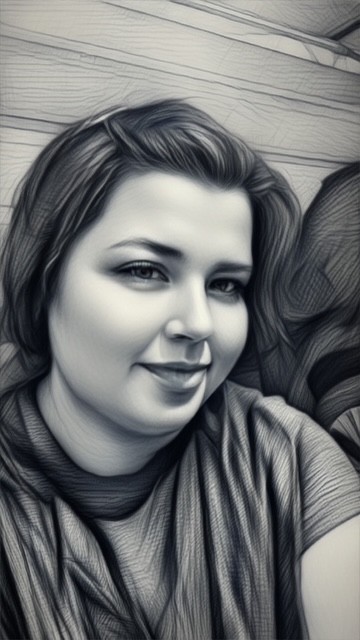
Host/Travel Advisor/Author
Shannon is the heart behind TTS. A storyteller and traveler at soul level, she believes journeys—both across the world and within ourselves—have the power to heal, connect, and transform. Through honest conversations, she creates space for stories that inspire reflection, resilience, and connection. Based in Texas, Shannon brings a deeply personal and authentic voice to every episode. Her journey has been anything but ordinary—growing up in a large adoptive family, navigating trauma and healing, and ultimately finding her way back to herself through personal growth, reflection, and connection. With a background in healthcare and years of experience in administrative leadership and travel advising, Shannon combines organization, empathy, and curiosity to create meaningful conversations with guests from all walks of life.
Her mission is simple but powerful: to create a space where people feel seen, heard, and reminded that they are not alone. She is Gen X, mother of 2 and currently working on her memoir. Her hobbies are travel, reading, and baking!
Healing One Step at a Time: Rand Timmerman’s Appalachian Trail Journey