Apple Podcasts

 Spotify

 Youtube Music
Surviving Human Trafficking: Finding Faith & Reclaiming Her Voice | Tiffany Brearton

⚠️ Content Warning: This episode includes discussions of human trafficking, abuse, and trauma. Please take care while listening. Tiffany Brearton shares how faith, healing, and the #Unmuted Movement helped her reclaim her voice-and help others break their silence.
Resources: If you or someone you know may be experiencing human trafficking in the United States, contact the National Human Trafficking Hotline at 1-888-373-7888 or visit humantraffickinghotline.org for confidential support.
In this powerful and deeply personal episode of Travel Time Stories, Shannon and Ann sit down with Tiffany Brearton, a survivor of human trafficking and abuse whose journey of faith, healing, and resilience has become a mission to help others break their silence.
Tiffany shares her journey through trauma, the role faith played in her survival and healing, and what it means to reclaim your identity and voice after experiencing abuse.
But her story doesn't end with survival.
Through the #Unmuted Movement, Tiffany is turning her experiences into a message of hope, empowerment, and advocacy—encouraging others to recognize that their voices matter and their stories deserve to be heard.
This conversation is about more than what Tiffany survived. It's about the woman she has become and the purpose she is creating from her experiences.
✨ In This Episode:
❤️ Tiffany's journey of surviving human trafficking and abuse
🕊️ Finding faith and hope in the aftermath of trauma
🌿 The emotional journey of healing and rebuilding identity
🎙️ Reclaiming your voice after being silenced
💜 The mission and meaning behind the #Unmuted Movement
🤝 The importance of sharing survivor stories and supporting others
✨ Turning pain into purpose and using your experiences to create change
Your past is part of your story, but it does not have to define your future.
Tiffany's journey reminds us that healing is not always a straight road, that finding your voice can take courage, and that even after profound darkness, there can still be hope.
Whether you are a survivor, someone supporting a loved one through healing, or someone who believes in the power of speaking up for others, we hope this conversation leaves you feeling informed, encouraged, and reminded that every voice matters.
⚠️ Content Warning: This episode includes discussions of human trafficking, abuse, and trauma. Please take care while listening.
🎙️ About Our Guest
Tiffany Brearton is a survivor and advocate whose personal journey through human trafficking, abuse, and faith has inspired her mission through the #Unmuted Movement. Through sharing her experiences, she seeks to encourage others to find their voices and recognize the power of their stories.
Tiffany's Website: https://www.tiffanybrearton.com/
Instagram: https://www.instagram.com/tiffanybrearton/
Facebook: https://www.facebook.com/tiffanybrearton
💬 Join the Conversation What does reclaiming your voice mean to you? We invite you to share your thoughts in the comments, while respecting the privacy and experiences of survivors.
❤️ If Tiffany's story resonates with you, please LIKE, SUBSCRIBE, and SHARE this episode to help amplify her message and the mission of #Unmuted.
Resources: If you or someone you know may be experiencing human trafficking in the United States, contact the National Human Trafficking Hotline at 1-888-373-7888 or visit humantraffickinghotline.org for confidential support.
#TravelTimeStories #TiffanyBrearton #humantraffickingawareness #survivorstories #unmuted #faithandhealing #traumarecovery #breakingthesilence #podmatch
SPEAKER_01
When most of us hear the words human trafficking, we picture something happening somewhere else. A stranger, a kidnapping, a dark alley, someone who should have known they were in danger. But what if some of what we think we know about trafficking is wrong?
SPEAKER_04
What if exploitation can begin much closer to home? And what happens to the person behind the word survivor after everyone stops asking what happened? Today isn't a conversation about the worst things that happened to one woman. It's about the woman who survived them and what she decided to do with the life that came after.
SPEAKER_01
Welcome back to Travel Time Stories, where we share real journeys, real stories, and real healing. Now, before we begin, today's conversation includes discussions of childhood abuse, exploitation, and human trafficking. We won't be discussing graphic details, but some of the themes may be difficult for some listeners. So please note that and take care of yourself while listening.
SPEAKER_04
Our guest today has turned an incredibly painful part of her story into a mission to make sure other survivors are seen, heard, and supported.
SPEAKER_01
Tiffany Breerton is an author, speaker, survivor advocate, and co-founder of She Was Made for More Ministry. She's also the founder of the hashtag unmuted movement, which equips churches to recognize human trafficking and become safer, more supportive places for survivors. She's also the author of From Stilettos to Grace and From a Mess to His Message. And today she uses her story of survival and faith to challenge misconceptions about trafficking and remind people that our darkest chapters don't have to become the ending of our story. Tiffany, welcome to Travel Time Stories.
SPEAKER_03
Hi, Shannon. Hi Ann, thank you so much for having me on today. What an introduction. Thanks so much.
SPEAKER_04
Thank you for being here today.
SPEAKER_01
Exactly. Thank you for trusting us with your story. And before we begin, Tiffany, I just want to say there's absolutely nothing that you must share today. So if there's anywhere that you don't want to go, we won't go there.
SPEAKER_03
Absolutely. Thank you so much. I'm pretty much at this point an open book, so much so that I wrote a book about it.
SPEAKER_01
Well, Tiffany, people meeting you today, they see an author, an advocate, a ministry leader, and a woman helping other survivors. But before all those titles, who was Tiffany? Can you tell us about the girl behind the story?
SPEAKER_03
Yeah, so I'll just share a little bit about childhood. I at a young age had some sexual trauma before I really had language for what was happening. And at that moment, like life changed dramatically. I went from a little girl who was full of joy, life of the party, to someone who was spiraling out of control. And teenage years were super duper rough. I was cutting my arms, I was leaving suicidal notes all over the place. I was just struggling, crying out for help, but really didn't have the language to know what I needed help from. I told no one about the sexual trauma, and things just kept growing darker and darker in my world. And so at the age of 18, I decided I was going to take control and life back into my own hands. Or so I thought like every 18-year-old thinks right. Right. So I walked into a strip club and became a dancer for my first adult job. And I was also this, it was sexual trauma. It wasn't rape. So I was actually a virgin when I walked into the club at 18 years old to become a dancer. So I learned my sexuality really quick. And as you can imagine, learning it in that situation was very damaging. Like I was still in, you know, my mid-40s, I'm still undoing so much of the damage that caused and what I believed about men and people in general. I mean, just super damaging. So life continued to spiral, trauma began to, you know, continued to happen. I uh made friends with a bouncer there who was 34 and I was 18. And I was really just holding on to him for help because, you know, guys aren't supposed to touch you in the club, but they do sometimes. And uh and so I was so scared. I just wanted someone that could stop and intervene right away if something like that happened. So I made him my best friend, and he unfortunately took advantage of that sweet, naive little 18-year-old girl. And I ended up in a relationship, and that relationship turned it into me losing my virginity by rape. And oh my gosh. Yeah, I always said the first person that I had sex with, I was going to marry. Like I had that moral, like that was the thing that was going to happen. And so in my mind, I had to stay with him at that point. Not only because I always made that rule for myself, but I was still in that club. I was still in that position, I was still very vulnerable and I still needed safety, right? So I continued in that relationship and uh it kept getting worse and worse. He told me he was fixed, he was not, and I ended up pregnant at the age of 19. And so I quickly again made the choice that I was going to marry him. So we were married, and when that little girl came, I decided this was super damaging and I needed to get out of the relationship. So by the age of 20, I was married, divorced, and with a child, which is it was just a real one. So for years I was just caught in this cycle of relationship after relationship, looking for, you know, the the dad to my daughter now, my Prince Charming. And I wasn't healed by any means, so I kept finding guys who were really bad, and those relationships would end in emergency protection orders and all things until I met a good man in my mid mid to late 20s, and things looked like they were, you know, turning a corner and life was going to be okay. And uh shortly after we got married, he got diagnosed with leukemia and ended up passing away. So here I am in my 20s, now divorced, now widowed, and uh just you know, in desperate need of some sort of hope healing because you know, life just looked like, as you can imagine, a dumpster fire, like it would be yeah, hopeless. Uh so that's where I came to my story of faith. And, you know, I was in such a position at the time, like because I was in such a hopeless situation, and I know many people who've walked through a lot of trauma that like I have, they need something outside of their self, they need some sort of hope. And that's where faith really came into my life because I heard about like a place called heaven, and I was like, okay, well, if this, you know, if this is all this world is, like sign me up. Like at least there's hope for eternity, right? And so I will just that relationship with the Lord really just helped me grab on to some sort of hope, which I'm so thankful for now. Um, because I don't know how I would have stayed out of like a mental hospital or, you know, had not been able to get out of bed, which that was for sure part of my story for you know, just grieving and things like that. But even now, you know, so um yeah, just start walking through my own healing journey. And the craziest part of my story, I'll I'll kind of jump here. After my healing journey, I started speaking and wrote some books and things like that. I got invited to speak at a human trafficking awareness event. And I was like, okay, that's weird. Maybe they just need a stripper story. And so usually if God opens a door for me, I'm a go-getter and I say yes, and I'm like, I'll just trust God. So I I go to this event and I just share my story. Like, you know, I'm here with you today, and then I sit down and I hear one of the professional speakers. He gets up and he starts talking about statistics and definitions of trafficking. And a slide came up on the screen that will forever change my life. It said, commercial sex trafficking, and it said, trade for something of value for a sexual performance, a sexual act, or new pictures. And in that moment, I realized my story was one of trafficking too. And that is why it is so important for me to share my story on you know, podcasts like yours, because you know, I grew up like everyone, thinking trafficking was something that happened maybe in a far-off land. Or it was like the white ban, the kidnapping chains, like that Hollywood version of trafficking. I would have never thought my story, something legal in the United States, was one of trafficking. And it's happening in every single neighborhood. And because I have walked through hell and back and found my voice again, finding my healing again, like I feel it's my responsibility now to be a voice for those who still are voiceless. And so I gave you a lot more than you asked for. But that's uh that's uh the whole story in about five minutes. You'll have to pick up one of the books to learn the and what a story, too.
SPEAKER_01
Exactly, yeah. It's been quite an incredible story, and yeah, you could have easily everything that you went through and the obstacle after obstacle that you were having to face, you could have easily went the other way instead of turning it around and being there to help other people and use your story. Most people would have gone the other way.
SPEAKER_03
Yeah, well, and that's you know, like we're all designed differently, like right, like our creator has created us all unique. And so obviously, one of those things that he put inside of me was, you know, perseverance, endurance, like my strength. And not that I was always this strong person, but I always have had a level of courage. And so now because I have, you know, came out of such a hard thing, I know how hard for me, who is strong, like how much it took to come out of that and go through the healing, the therapy, all the things. So, you know, like why not reach out to someone who maybe can't pull themselves up, you know? So it just feels like a responsibility because what a gift that I've been given, you know, this side of heaven to be able to find my voice again and to be able to help someone else in those situations. And, you know, I've always he's always given me the gift of Gab. So why not use that to be a voice, you know, for those who don't have a voice and to share their story. And, you know, a lot of times when people think about stories like mine, trust me, the judgment that people have thrown at me, like, oh my gosh, you know, this girl was this, and she must be this way. And but once they actually listen to someone who has a story like mine, they start to see the individual, the person, and judgment begins to fall. And so, like, you know, for years these girls are treated like objects, I know, because I was one of them, right? And so I'm really trying to show the church and the world like these are actual human beings, they're not objects, you know, like no one wakes up and dreams about wanting to be a stripper, like that's no one's dream, or to be trafficked, or to be a prostitute, or a porn star. Like that's no one's dream. Like there's something that happened to that little girl or that little boy along the way that changed the trajectory of their life. And for me, it was the sexual trauma. And for most of them, it's that very thing. Like, yeah, you know, I'll use a little faith language, but the Lord told me that the moment that you were sexually abused, Tiffany, was the moment the enemy began to traffic you. Like it didn't make sense any other way. Like I was a good girl, I saved my virginity. Like it literally from that moment, it starts rewriting my story. And that's what happens when people are have these undealt with sexual traumas and things like that. It I mean, I've hosted enough childhood sexual trauma classes to know like the side effects of sexual trauma. Like people are, you know, there's all kinds of things, and a lot of times because they didn't have control over their body, they try to find control and promiscuity and you know, strip clubs and and those things because that's where they found their worth. And so exactly, yeah.
SPEAKER_01
Yeah, that's so true. And I tell people all the time too that valleys don't always last. Valleys are where you learn your lessons that you need to learn to help you move forward and to get you back onto the right path that you're supposed to be on.
SPEAKER_03
Amen. Yeah, I love that. I always say there's always light at the end of the tunnel, right? Like, yeah, no, it doesn't always feel like that, but if you can just focus on like this isn't going to be forever, right? Like there's going to be light at the end of that dark tunnel.
SPEAKER_01
Yeah. And your trauma is not who you are. Your trauma is something that happened to you, but that is not who you are, and you can get through it and come out on the other side. Amen.
SPEAKER_03
Yeah. And I love that programs like yours are sharing stories like this because it's so real to so many of us. Like we all have some level of trauma in our life, right? And statistics, you know, I think that the news statistics that I just saw was like two in five women will experience some type of sexual violence in their lifetime. So that means some of your listeners, a lot of them probably, are going to have experienced this. So by talking about this, it normalizes it. Like, you know, like there is a solution to what you always thought was like, this is just how life is, or I'm always going to be walking around in fear, or I'm always going to have shame, or I'm always going to have anxiety attacks. Like, there's actually something you can heal, right? Like we can actually get to the root of what actually started it all in the first place, the actual trauma. And so, you know, like talking about it and bringing awareness, like every time I share my story, every single time someone comes up to me and says, me too. And that's how hashtag unmuted was born. Because when I'm unmuted and when you're unmuted, Shannon, and when you're unmuted, Anne, and you share your story, no matter what the story is, someone's going to be able to relate to that. And that gives them safety and gives them a safe place to just be like me too. And we know, you know, at least I don't just speak for me, but once I start bringing that darkness and delight and sharing it, like shame starts losing its grip in my life, and I start getting freer and freer. And so it's just like, you know, like I know if that person comes up to me and says me too, and a lot of times it's the first time, then they get to start their healing journey too, in some way or another. You know, maybe it's not gonna be all this side of heaven, but freedom's freedom. So even like a taste of freedom is better than you know, nothing, right? Exactly.
SPEAKER_01
And to get people to share their stories by hearing your story and them seeing, oh my God, they've gone through basically the same thing I went through or similar things that I went through, and they were brave enough to tell their story. So now I can at least share my story with them and they'll understand. And maybe I can get some help from at least that person, you know, and then then you can share resources from there or whatever.
SPEAKER_03
Absolutely. Yeah, I mean, and it's how my personal healing journey started. I was at this giant church camp of 2,000 women, and we were paired into just like groups of women, and I was sitting around a campfire with a group of women that I didn't know, and I knew it was time for me to start talking about all the trauma. And once I did that, like I began to taste a freedom and that I had never experienced before, and it like became this addiction. Like, I want to get freer and freer, like healing's possible. And so it's not me reinventing the wheel, it's just like, okay, here, I'm going to tee you up. I'm gonna say, you know, all this stuff, share all this trauma is somewhere in there, you're gonna be able to relate. And that just makes you feel like you are seen, you are known, right? Like I'm I'm not the only one in the world this has happened to. And so, you know, this is this is why I go around with hashtag unmute it and share not just my story, but stories of a lot of survivors, you know, because we all have been impacted in some way or another by sexual trauma, even if it's indirectly, you know, we know someone, something, someone in our family, someone. This is relatable, but we just don't hear about it often enough because there's so much shame around it, right? And people, people are so scared to talk about it.
SPEAKER_01
Yeah, exactly. And uh not only do we have cruising in common, but uh we have in common that I also had my own same sexual trauma as a child before you really have words for what's going on or what's happening. But I did speak out and tell my mom about my trauma, only to be told that you had to keep it quiet, sweep it under the rug, and it'll just be okay and it will never happen again. And not that I'm saying anything bad about my mom. I had the best mom in the whole wide world. She was wonderful, but back then that's you didn't talk about it. And you know, you don't tell anybody outside of the family for sure that anything like that happened and that kind of thing. And by not being able to talk about it and it not getting addressed, that just festered and festered and yeah, fed into everything else that I went through, like you say, during your teen years was horrible.
SPEAKER_03
Yeah. Well, and Shannon, that's that's such a great point. I mean, that's what happened, you know, in the generations before us. Like, I think we're making great strides in these newer generations where we do talk about things, but that's what happened. We were actually muted. Like And what happens when you're muted, like all that darkness just begins to fester and grow and grow. Yes. You know, and it just becomes bigger and bigger. And it then it becomes out of hand, right? Like where if we had a safe place where we could go and process and start to deal with that trauma, like you tried to do, Shannon. Like, you know, if you were met with safety and someone to start helping you process through that trauma, you know, you wouldn't have gone down the path. Exactly. Would it have gone down? And I hear that more often than not. And a lot of times, um, you know, that secondary trauma, the person that they told, like that actually causes, you know, a bigger trauma than the actual abuse itself, because you're going to a loved one, you know, and you're, you know, you feel like this should be safe, and it it's not. And, you know, everyone's doing the best they can do. So no shade. Who knows what we would have done in some of these situations in that time, age and day. But, you know, like I hear so many, you know, victims really struggle with like they're mad at their parents or the pastor or whoever else. They have a harder time forgiving them than they actually do the person who traumatized them in the first place, which is which is crazy, which should show us, you know, in your audience, like how important it is to be a safe, non-judgmental place, you know, like everyone's just doing the best they can do, right? Like, you know, and so just to like just zip it. Like, if you don't like what we've always learned, if you don't have anything nice to say, don't say anything at all.
SPEAKER_00
Like, say anything at all.
SPEAKER_03
Just meet people with kindness. It costs nothing. And if you don't have something helpful to say, help them find a resource, you know, and really you don't need to say anything. Someone just needs you to listen to them, right? Without judgment, without judgment, and being kind just makes you feel better, too.
SPEAKER_04
It really does.
SPEAKER_03
Yeah.
SPEAKER_04
Because you know you're helping somebody.
SPEAKER_03
Yes, yeah, absolutely. I mean, those those girls, those women who sat around that campfire with me are some of my best friends still today. And I mean, forever will I be grateful. Like, they have not only changed my life, but my kids' life and generations to come. I'm a different parent to my kids now than I was to my adult child because I have walked through a level of healing, right? Like I'm not parenting out of trauma, and those kids now know, you know, a different mom. And so they're gonna raise their children a different way. So it really, your judgment, non-judgment, and safe space for a person could really make a difference for generations to come. Like it's that powerful. Never like just disregard like how much power you have just by being kind.
SPEAKER_01
Yeah, I agree. Exactly. And I think that's something that people outside of these situations have so much trouble understanding. I mean, they ask you questions like, why didn't you tell somebody? Why didn't you just leave? And right, those questions are harmful.
SPEAKER_03
Very hard to ask. Yep. Right. Like you were a kid, you know, like yeah, why would you put the weight on the child? Like the child shouldn't know what to do in that situation because we're not designed to be able to know what to do in those situations. We're not supposed to have sexual things to happen to us as a child. So of course we didn't know what to do. We that wasn't our job, right? So, yeah, you're totally right, Shannon. I love that you said that because so many people say these careless things, and maybe they don't mean harm by it, but those things stick for a long time. What happens? Not only do you have shame, but then you have guilt and you start believing this was my fault. I should have fought back. Blah blah, like, like you could have actually fought back as a child, you know, like yeah. And you know, you never know what you're going to do in a situation like that. Number one, because you're not the designer of your brain, like we all have our different trauma responses, you know, and so you think you might do something in a certain situation a certain way. Well, you know, when that happens, you might do it completely different. You don't know how you're going to react. And, you know, if you're gonna freeze, if you're gonna fight, if you're gonna, you know, run, whatever. So you just don't know. And a child, you know, it's not a child's fault, you know, and to put the blame on the child in any way is just crazy. Exactly.
SPEAKER_04
You made a statement that was very powerful, and I hope that some of our listeners heard it as powerfully as I did. You said you were a child. There's nothing you could have done. You weren't at fault. You aren't at fault.
SPEAKER_03
Yeah, exactly. Yeah, and I think so many of us, especially you know, growing up with different older generations and stuff, that we really didn't talk about this. And if we did, you know, it was kind of put back in our lap and things like that. I think listeners really do just need to hear that. And maybe that is just like some guilt can start begin to heal off of them because your brain just does crazy things, right? It just starts to tell you like you should have done it this way and blah, blah, blah. And it's just not reality, like you weren't supposed to be able to handle that situation, and so that's you know, it's why I'll continue to scream from the rooftops about my story. You know, my ministry is named She Was Made for More because I actually believe that every individual is made for more. Like we get so used to just the way things are always have been, and we think that's like the limit, right? Like, we think that is no way that there can be more for us in this life, and I have experienced the more. Is my life perfect? Absolutely not. If it was perfect, I'd probably be on a cruise ship every day. Right. There is there's so much more. Like, you know, I was in a space in my life where, you know, it literally looked like my world was ending, and you know, I was having anxiety attacks every day. I couldn't pick my head off the couch for almost a year and just grief stricken. Like, there is more for you. And in my language, nothing is impossible for God, and you're never too far gone. Like you can find healing, and you know, just don't, you know, like you have to get to the point where you're just sick and tired and being sick and tired, right? Like, enough is enough. And I think real stories, like sharing these real stories, Shannon and Anne is like just gives that hope. Like, well, maybe if this crazy girl, Tiffany went through all this stuff, and now she's using it right that maybe there's hope for me, and that's why I am so vulnerable and open, like, you know, judge me if you want. It's just like it's for a purpose, right? Like, because there are some people who are out there still just stuck in the mud and think that everything is hopeless. And I have felt hopeless, and it is a very heartbreaking place to be.
SPEAKER_01
Yes, it is, and they shouldn't be judging anyway, because the Bible tells us that we're not the judge.
SPEAKER_04
Exactly.
SPEAKER_01
Amen. Only only judge is supposed to be God, not us. So Amen.
SPEAKER_03
Oh, we forget often though, and you know, guilty, it's crazy, it's crazy. Even a girl like me with the past that I've had, like, we all just want to sit on that seat, right? Like, and and look down at people sometimes, you know. But but we have to we have to remember and we have to look back like where we came from. Like, are you serious, Tiffany? You should never judge anyone.
SPEAKER_01
Exactly. And also, one thing I want our audience to really listen and and let this sink into is comparing ourselves. Comparison is the thief of joy. Do not compare yourself to anyone else because that's what steals your joy.
SPEAKER_03
Yes, amen. That is, I mean, that's a that's a mic drop there. It really, it really is, you know. And so, you know, just I really fell in love with as I have healed and done a lot of identity work because you know, we're like our own worst critics. Like we hate ourselves as Americans. Well, I guess as human beings, we hate ourselves. And so for me and my faith, like that was kind of like smacking the creator's face, like, you know, like, oh God, you really messed up with when you made me. Like that was like I thought you were perfect. You kind of made a mistake, you know. So I really had to like those things I really didn't like about myself. I have like started to fall in love with. And like when you do fall in love with your identity and like you do that healing work and you're okay with you, you stop looking around at other people because you know that you are unique in what other person has. You weren't designed in that way, and that's okay. And so you actually the cool thing about falling in love with your identity is you actually get a cheer on other women and be completely secure and not jealous, like you're like, wow, like this is what you can do with your strengths and your limitations. Like, that's powerful. And so, you know, that's always a good judge. Like, is there more healing for me? If you're looking at others and you're not able to cheer them on, you you have some healing to do still. Yeah, that's for sure. Yeah, because we're just looking at others and we're like, oh, why does she get that? Or you know, no no one just gets anything. Yeah. They went through to get to where they are, right? Like exactly, yeah. It's not really the real story behind most of these things. So it really is just like getting to know yourself, your purpose, you know, and falling in love with the creation, like even the things that you used to hate about yourself because other people judge. Like now, my gift of Gab, I'm getting, which all I heard growing up was like, Tiffany, shut up. I just stop talking. And now I'm like, to some of those family members, I'm like, Do you know some people pay me to speak now? It's the greatest reward ever.
SPEAKER_01
Exactly. I can remember road trips, and my mom would tell me, let's just play the quiet game. Well, I never could because I couldn't shut up long enough to play the quiet game, and she'd be like, please, just one minute's all I'm out.
SPEAKER_02
Yeah, I get it. Relatable. I have three little ones now, and I'm like, yeah.
SPEAKER_01
So I want to challenge some assumptions now because I think the version we kind of touched on it of human trafficking that we have in our minds is what we see portrayed in the movies, and that has shaped what many of us think it looks like.
SPEAKER_02
Yeah.
SPEAKER_01
So, what's the biggest misconception about human trafficking that you desperately wish people would stop believing?
SPEAKER_03
Yeah, that the Hollywood version. Like, you know, even in churches, we hear like you need to go on a mission trip to another country to make a difference. Like, that's what's happening in third world countries. Trafficking, it is happening in every neighborhood in America. Like it, I sit right here in Kentucky and Shannon, you're in Texas. I think you're number two in the United States. I wouldn't doubt it. I wouldn't doubt it at all. Yeah, you're one or two. California and Texas are the top two. I I get them switched, but you know, it's happening everywhere. I grew up, you know, like they people think that you have to be from a broken home, and you know, you have to have grown up in poverty. I grew up with both my parents married. I went to a very expensive private school, you know, like these things that you wouldn't think of would happen to a little girl. It happened to me. In the fact that it's happening legally in the United States, like we need to do something about that. And I I also will want to share like now that we know, like trafficking looks like our adult entertainment, our strip clubs, pornography, only fans, like all these things that are growing, especially in the internet right now, like that is trafficking. And what people don't realize that every time you interact with those things, you know, because a lot of people interact with pornography, every time you interact with pornography, you are actually interacting with human trafficking. And I think if we knew that, that we wouldn't do that, right? Like we would choose better, we would do better. Like my pastor always says, if you fight the devil in the dark, you're gonna get your butt kicked. And that's what kind of happens when you enter into those dark spaces. Like, you know, just like the trauma did with me, you keep getting it keeps getting darker and darker, and people keep getting sicker and sicker. And so these pimps have to go out and find younger and younger girls, what used to satisfy does not satisfy anymore. And so they have to get younger and younger victims. And and so, you know, to bring awareness to that, because you know, for the most part, human beings are amazing, right? Like we have some great human beings, and I think if if we share things like that and people start to realize that's actually trafficking, you know, like again, no little girl or boy has this dream, they're there because they're extremely oppressed and broken and traumatized and all the things, you know. If we stop interacting with these things, it's like a supply and demand thing, right? Like it's rapidly growing. Like the number two illegal thing around the world for sale, the one of the most profitable things in the world is the sale of human beings. And I don't know about you, but that that makes my stomach turn. That breaks my heart that God's children are being sold for the benefit of others. This is modern day slavery, and we have normalized it and we have legalized it, and we have to talk about it, and we have to just make better choices, right? Like, are we gonna be perfect? Absolutely not. This is not to come at you and be like, if you've ever done this, like you should feel so guilty, you know, you should feel so shameful. Like, I don't have any right to say that at all. It's just to bring knowledge so we can do better, so we do not interact with that because if the demand goes away, there's no need to keep finding the supply, right?
SPEAKER_01
Exactly. And dang, right now, OnlyFans is like off the charts.
SPEAKER_03
Yes, yes and those are someone's babies, they're someone's babies, and those babies think that there's that's their only worth. They really do, they think that's their only worth. I know it because that's what I used to think. I'm surrounded by these girls, you know, with my ministry now, and they think that is their only value for so long. I thought that was my resume, like that is the only thing I brought to the table. And they're human beings, it's not the truth, but that's what the world tells them that they're an object and they're treated like that for so long, and then you're stuck in it, and no one will give you a job. Well, they have babies, they have bills, just like you and I. What are they supposed to do? What are they supposed to exactly? Yeah, yeah. So it's just important. I know it's it's not the sometimes I'm like, God, this is you know, quite a ministry or a purpose you've given to me. It's not the easiest thing to talk about, but I think just bring awareness to the situation because listen, if I was invited to this event a year ago and I didn't realize human trafficking was part of my story, then I believe most of America doesn't realize what's happening right under their noses. And we just need to keep talking about it because if we know better, we do better, right? Like exactly if it's not perfection, let's start making a difference. And we can make a difference in a number of ways. You can, you know, like I'm part of so many strip club ministries, and they're all around the United States, and a lot of times they go into these strip clubs, they just share, they're a safe place for people. A lot of them are face faith-based, they're sharing about their faith, but a lot of times they're just bringing a meal in, and these women are just like feeling love by a meal and a gift. So maybe you know, your strength is I can cook a meal and you can donate a meal to them once a month. That's some way that you can fight back and make a difference in trafficking, or you know, giving a gift or say saying a prayer or writing an encouraging note, you know, or you know, if you're well off and have a lot of money sewing into some of these ministries that are really making a difference in this area. So there's there's a number of ways you can get involved. And that's what I do at these unmuted movements is I just bring a lot of partners that are already in the fight and give the audience, the people that are hearing about this the first time, some way to make a step towards being in the fight too. Because if we all are in the fight together, this thing's a beast, you know, and it's going to take us all. And we can all bring, you know, in our identities what we have to the table and make a difference.
SPEAKER_01
I agree. So, what was harder for you learning to trust other people again or just learning to trust your own self?
SPEAKER_03
Uh yes, yes. Um, I would say, man, I I had to just take a break from relationships for a while because you know, I I was like, okay, I don't trust my judgment anymore. And so I was because of the trauma, I was ignoring red flags and all those things. Really didn't trust God for a long time because I was like, God, and and you know, this is just real, and some of your audience might be able to relate, but like, God, if you're real, how could all these bad things happen? Right? Like, yeah, we just put all the responsibility on someone else, but you know, broken people are going around hurting people, and we're some of those broken people sometimes, but anyway, and then just yeah, like I people like men, I really had a hard time for a long time. One of the first things I was taught to say to men coming in the club at 18 was to married married men that were sneaking out and and coming to see us girls. I had to say, if they were out of money, you can go over there and get some more money out of the ATM. Don't worry, the address won't show, so your wife won't know. And so, like, that's what I thought marriages were, you know, like husbands stepping out, and not that that doesn't happen, of course that happened. I, you know, I gotta see that, but not every meaning is that way, but that's all I was surrounded by. I thought that all men just would treat me like an object, and so it took a really long time to undo a lot of man hate for me, you know, and still some of those things. If if guys are very outward, you know, in their in their talk about women, I still get triggered like, what in the world? Like, they're not objects, but I think that would probably trigger. Everyone, you know, like to talk about a woman like that.
SPEAKER_04
How can you not get triggered by it?
SPEAKER_03
Right, right. So yeah, it took I it was it was everything. It was really trust in general took a very long time to rebuild. But you do you to live in this world, you just have to have levels of trust to have healthy relationships. I mean, even to get in an airplane, you have to trust a pilot that you've never met, you know? Like you're gonna get me there safely safely, which is wild that that we are able to do that. But you just you have to like it heal those places in your life so you can have healthy relationships and begin to trust again because not everyone is bad, yeah.
SPEAKER_01
So the hashtag unmuted your mission it isn't simply awareness, it's specifically asking churches to become part of the solution. So why churches?
SPEAKER_03
Well, you know, as a woman of faith and in the word, we're called to be lights in the darkness, and I don't know much of a darker place than what I'm staring at in trafficking, and so that is why I go into churches, but honestly, it is for everyone. Like these are people, these are individuals, so it doesn't matter your faith, you know, it doesn't matter if you're in church, like as a human being, just to see another human being that is being so hurt and so broken to like want to be part of the fight, you know. So that's that's where I'm at right now. Who knows where I'll be as this thing grows, you know. But yeah, I I like to challenge churches because a lot of times people go away from the church because they feel very judged, right? Like we hear this, people turn away from their faith all the time because they feel judged. And so I go in with a story like mine, and I share all these crazy things that I would have been judged for, right? And I do it in a way where they might be judging me, but I have found this healing. And by the end of it, they're like, wow, she's actually not crazy, she actually does know the Lord, and and so it fights those things in their brain, and their brain's able to start changing their mind and to stop judging. So if they can do that with me, they can do that with other girls like me. Like, I can take your judgment most of the time. My hair's like purple or pink or whatever, and I love that I just still love as I am, and so I challenge those judgments. I know I'm gonna be met with judgments, like there's gonna be people people listening, and they're gonna be like, This girl is crazy, you know, but it it is for it's intentional, it's for a reason. Number one, I'm just walking in who I am, but it's so you can see, like, you know, the human being in me, and that these girls and and these uh little boys that are being trafficked, like they're human beings too. And if we can stop judging and just start seeing people as people, like we can make a difference instead of like, no, I'm not gonna help someone like that, like what in the world, you know, and that's just that's our own brokenness. So to point at that and say, you know, not as there, not as are like not only you were made for more, like the girl, the survivor, but church, you were made for more. Like, you don't have to have these yucky thoughts and judgments and that nasty religion and all those things. Like, you were made for more. You were actually called to be the light in the darkness, and like you said, Shannon, like the Bible says, not the judge, because that's God, right? Yeah, so there's a whole lot of reasons why going to churches, but yeah, mainly to call the church to be the light in the darkness. I love that.
SPEAKER_04
So, yeah. What are churches currently getting wrong when it comes to survivors of abuse and trafficking?
SPEAKER_03
Yeah, I think a lot of times it's just not having the education and being trauma informed. Like they look at someone like me years ago and they just it's a lot for them. They don't know what to do with that. And so they start like pointing them to counselors or judging them or kicking them out of churches or or whatever else. But instead of looking at like we're supposed to be disciples making disciples, like just walking alongside of whatever that human being is. Like if God brought someone to you, then walk alongside of them, right? And so I think that's what they're really getting wrong is you know, the world has come a long way in a lot of mental health ways. And thank God that really the church is starting to talk about mental health and things like that now, where it's not just like, you know, you're demon-possessed or whatever. Exactly. Yeah. And you know, just throw the baby out with the bathwater. But like, you know, like there people can be restored, and that's what our faith actually tells us. Like, you know, like nothing is we hear all these Bible verses, like nothing is impossible for God, you know, like God is the God of restoration, all those things. Well, if we believe that about God, then why aren't we believing it when we see people that might have a lot of trauma, you know, and and really like instead of being, and if you're overwhelmed by it, fine, you might have your own trauma to work through, but right you know, pointing them in directions of people that can be helpful and resources instead of judging them. Like if you can't be safe, yeah, get away from them, you know, you know, because like you know, everyone is guilty of just having times in their life well where they're not safe, right? So get someone involved that can be safe for them.
SPEAKER_01
So if someone listening suspects someone may be experiencing exploitation, what should they understand before they try to intervene?
SPEAKER_03
Yeah, that is a great question. And maybe we can link the uh national um human trafficking hotline in the notes. Uh I I would say talking to someone like them if you really think that someone's being trafficked. I've had to call the domestic violence line for friends, and they're very helpful, just telling you, like, because we want to just get people out of those relationships and things like that. But sometimes we can cause more harm than good. So getting wise counsel, calling the hotline, asking advice, and they will actually follow up with cases, you know, and and send out people for those people. So I would say start there and um yeah, and get like if this touched your heart at all, there is resources around this beautiful country where a lot of people have been called into this very thing, like linking arms with them. There is some place for you in this fight. There is some place for you. I'm telling you, it doesn't have to be, you know, like you have to run into the fire and go get the kids locked in a room. It can literally, like I said, be as simple as cooking a meal, giving a hug, saying a prayer for someone, being a listening ear, like so, you know, just to know that you can be a part of the fight. Stop, you know, start sharing like things like this, like the pornography piece, like all of this is and honestly, you know, like people who are addicted to pornography, that is a real thing. Like that's an addiction. And just like, you know, the brokenness I experienced from trauma, a lot of time that is what comes out of sexual trauma, you know, and so you know, not meeting up with shame and guilt, but you know, finding resources. There's so many healthy sexuality groups and celebrate recovery and things like that. Like you talk about the biggest step you can do to be part of the fight is by you getting well. So just like when I got well, I'm reaching back and helping others get well. That could be you, you know, like that's that's huge. But we if we don't know about these things and we don't share these things like you all are beautifully doing on your show, then we don't have the awareness and people can't uh you know make these decisions to do better and change because I had no clue. I had no clue that this was uh commercial sex trafficking happening legal in the United States, uh everywhere. I mean, Shannon, you probably are a stone star away from some of these places where you're at. Yeah, yeah. Exactly. It's so I mean, it's so sad if you really can start to see the human behind these things and start, you know, for me it's like having the eyes of God for them instead of like these judgment eyes, is you'll want to help, you know, like you'll want to help. Like it's awful, it's sad, and the oppression that they have to be experiencing to think that's their only choice. And choice I use loosely because some of the times it's not really even a choice.
SPEAKER_01
Exactly. So, Tiffany, if there's a woman listening to us right now, and I'm sure there is because so many of us, like we've already said, have gone through this and they haven't told their story to anyone yet. Maybe they believe, you know, what happened was their fault. Maybe they think no one will believe them, maybe they're ashamed, or maybe they're still living inside something and haven't figured out how to leave. And we don't know their name, but for just a moment, imagine that they're sitting across the table from us here in the same room with me, you and Ann. And what would you want to say to her?
SPEAKER_03
Yeah, that your story matters so much that you're not too far gone in what seems hopeless right now literally can become someone else's hope. Like your story could impact generations, but you have to get well first. And I know that seems like overwhelming and like, well, it's been like this for so long, but it doesn't have to be overwhelming. You can take one step at a time towards your healing, and you will get there eventually. You know, call the counselor tomorrow, call and talk to a really safe friend and maybe tell them about your trauma. Make sure they're safe though. You know, start. There's so many local churches that have groups like I used to lead called childhood sexual trauma or things like that. Find a group. There are so many free resources too, where you know, you know, like when we have these things come up, we make all the excuses like I don't have enough money, blah blah blah. There are so many free resources out there, and if you just take one step at a time, you're going to find freedom along the way. And like we were talking about, like there is light at the end of that dark tunnel. You just have to walk through it. And I know it's hard and I know it's scary, but I will argue with you and say what you're walking in right now is way harder than what sits on the other side. So take one step and you'll get there. And your story literally can become someone else's hope. And that to me, like, is so powerful because it's like, you know, like, okay, all this stuff that happened to me, like it was worth it if it helps someone else, right? Yep. But it takes a while to get there. So don't rush it. Don't think you're gonna you're if you're like a go-getter like me, like, well, I'll have this done by Monday around lunchtime, you know. Time it takes healing takes time. So have grace for yourself. And sometimes it's just getting off the couch that day, you know. And I wrote a book, um, I'll do a plug here. It's called From a Mess to His Message, and it was really for those women who are oppressed and stuck on the couch or not able to get to a group yet. There are questions at the end of each chapter where you can start processing your trauma. Like, what is holding me back from taking my next step? Maybe it's fear, but you can start journaling and doing this right at home. And if you're like me, you love Amazon, it'll bring it right to your door, and you don't have to walk far from the couch to get it. And you can start right there. It's a step, and every step matters, and you'll find healing every time, which is incredible. And then, you know, you'll be sitting here and talking to Shannon and Ann, and and your story will be helping others, and so it's so powerful, you know, what God really can do. And with the mess, he can make it his message, you know, from a mess to his message. So, you know, it doesn't have to be the end, what looks like you know, a dumpster fire. There's always hope. You're not too far gone, everyone can be redeemed.
SPEAKER_01
I love that. Thank you so much, Tiffany. Yes, and not just for telling us what happened to you, but for showing us who you become beyond what happened to you. There's an enormous difference between telling someone's trauma for them and giving them a place to tell their own story. And today we wanted you to have the latter.
SPEAKER_03
Amen. Thank you so much. Thank you for having me.
SPEAKER_04
Thank you. And I think you've reminded all of us that survivors don't need us to define them by what happened to them, they need us to listen, to believe them, to learn. And when we're able to stand beside them, Tiffany, where can our listeners find you in your books?
SPEAKER_03
Yeah, uh, so my name is hard to spell, but TiffanyBreerton.com is my website. You can go on Amazon, and both of my books are there. From Stilettos to Grace is my memoir. And that five-minute story I told you, it's uh 140-something pages, and you can read all the details. I'm very real and raw, and I I like I said I share it all for a reason so you can feel like you're not too far gone. And then the book study from a mess to his message. There's some story along the way, and then a lot of journal, a lot of questions, so you can take your next step towards healing. And then I'm on like I don't know, a hundred or so podcasts. You can just Google me yap all over the place, and maybe I'll share my story in another way, but um on all social media platforms like TikTok, don't expect much there. I try, but you know, I'm I'm getting old and help me exactly.
SPEAKER_01
Oh, I get it, I get it. Yeah, you won't find us on TikTok either. So and not only can you find Tiffany on social media, you may get lucky and be on a cruise ship with her. So keep your eyes out.
SPEAKER_03
Yeah, if you're listening and you need speakers for your event, and if it's on a cruise ship, I'm for hire for sure. 100%, right?
SPEAKER_01
Yeah. Wouldn't that be great? I need a cruise ship ministry. Uh that would be wonderful. That you need to start that, Tiffany. Yeah, I agree. So to everyone listening, your story may contain chapters that you never would have chosen, but those chapters don't get to decide how your story ends. And so we'll include all of Tiffany's information in the show notes, including her books. And she will have a dedicated page on our website, as all of our guests do, so you can learn more about her work. And thank you for listening. Take a moment to reflect on today's episode. Share with someone who you think needs to hear it because every story has the power to change a life. And if this stirred something personal for you, please give yourself permission to seek support from a qualified trauma-informed professional or trusted survivor support organization.
SPEAKER_03
Amen.
SPEAKER_04
Until next time, keep traveling your story and keep making memories for life.
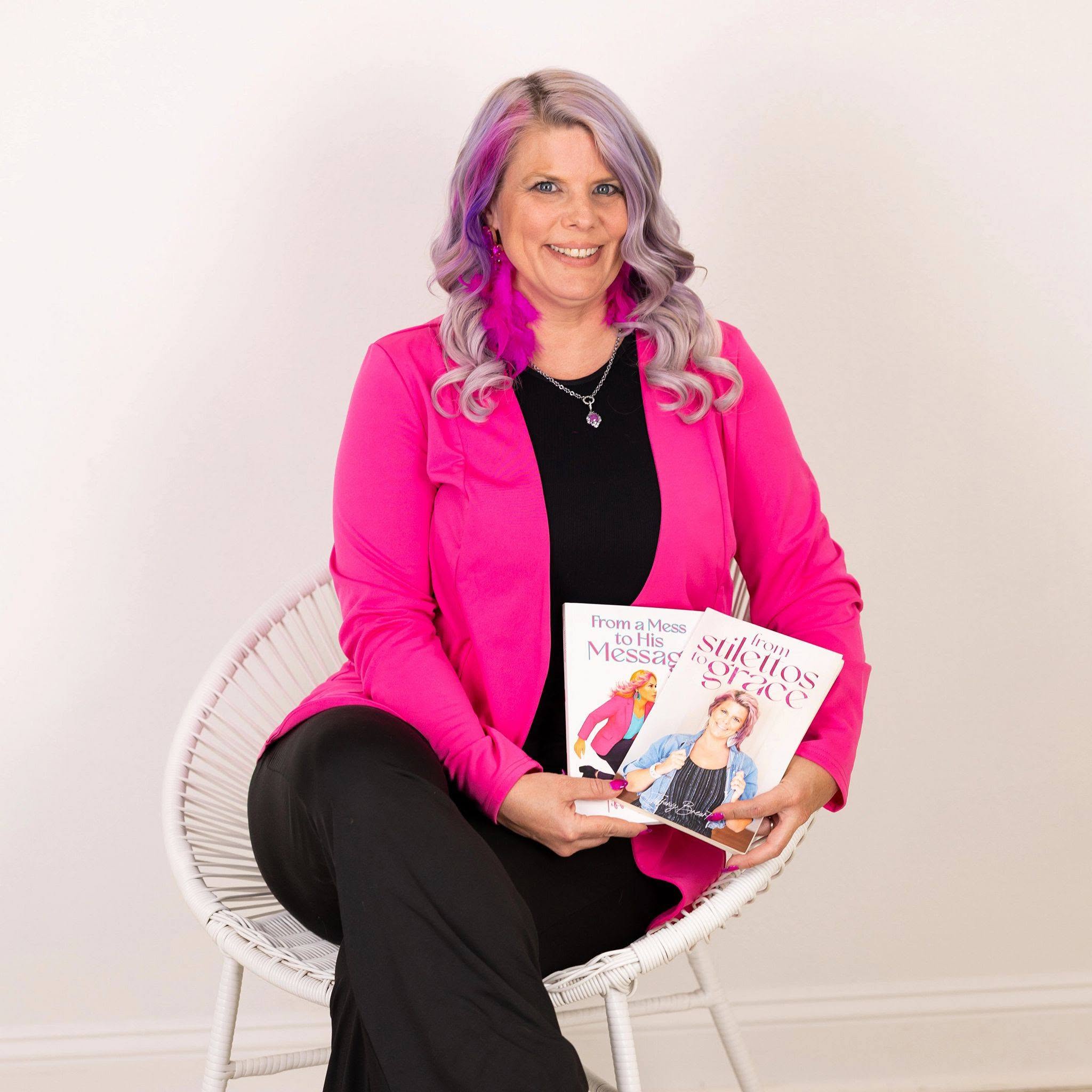
Survivor of Childhood Sexual Abuse, Exploitation, and Human Trafficking | Author | Speaker
Tiffany Brearton, a wife, a mom, a survivor, author, speaker, and co-founder of She Was Made For More Ministry.
Tiffany is the author of From Stilettos to Grace and From a Mess to His Message. She is also the visionary behind the #Unmuted movement, equipping churches and communities to recognize, prevent, and respond to human trafficking through awareness, education, and practical action.