Understanding Dyslexia: Insights from Russell Van Brocklen
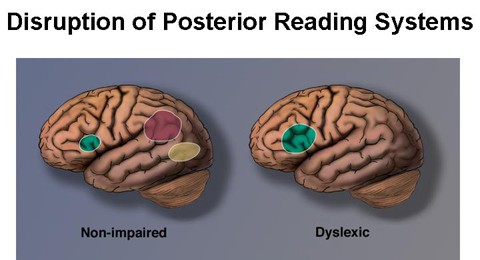
Learn how to reframe dyslexia from a challenge to an opportunity through practical strategies. This post is essential for parents, educators, and anyone supporting individuals with dyslexia.
What if the struggles with reading and writing you've faced your whole life were never the problem? Instead, what if the real issue was being labeled as the problem? In this post, we will explore insights from Russell Van Brocklen, known as the Dyslexia Professor, who shares his transformative approach to understanding and supporting individuals with dyslexia. With years of experience and personal stories, Russell provides clarity and practical tools that can change lives.
Growing up with dyslexia can feel like an uphill battle. Russell shares his journey, starting from the early days of being placed in special education classes. He recalls wanting to participate in school projects but feeling sidelined due to his learning differences. Such experiences shape perspectives and can lead to feelings of self-doubt and frustration.
Russell emphasizes that being labeled as ‘special ed’ deeply affected his self-esteem. This label often leads to a narrative of inadequacy, impacting not only academic success but also personal development. The real challenge, he believes, is changing the narrative around dyslexia from one of limitation to one of potential.
In his journey, Russell found that the right kind of support made a tremendous difference. He shares a pivotal moment when he secured an internship at the New York State Assembly, which challenged him academically and personally. This experience underscores the importance of environments that foster growth and understanding rather than confinement.
One of the key takeaways from Russell’s experience is the need for innovative teaching methods that cater to diverse learning styles. His research and teaching methods focus on practical strategies that help students unlock their potential, turning perceived weaknesses into strengths.
Russell offers actionable strategies for those supporting individuals with dyslexia. One approach he highlights involves using engaging activities to help students connect with their interests and enhance their writing skills.
For example, he recounts working with a student named Sarah, whose passion for swimming became a gateway for improving her writing. By focusing on what the student loves, educators can create meaningful connections that foster learning.
Russell Van Brocklen's story is a powerful reminder that dyslexia can open doors to new ways of thinking and learning. By reframing the conversation around dyslexia, we can empower individuals to discover their strengths and overcome challenges. For parents and educators, the next step is to implement these strategies and foster a nurturing environment for all learners.
Want to learn more about effective strategies for supporting learners with dyslexia? Check out the full conversation with Russell.
Host/Travel Advisor/Author
Shannon is the heart behind TTS. A storyteller and traveler at soul level, she believes journeys—both across the world and within ourselves—have the power to heal, connect, and transform. Through honest conversations, she creates space for stories that inspire reflection, resilience, and connection. Based in Texas, Shannon brings a deeply personal and authentic voice to every episode. Her journey has been anything but ordinary—growing up in a large adoptive family, navigating trauma and healing, and ultimately finding her way back to herself through personal growth, reflection, and connection. With a background in healthcare and years of experience in administrative leadership and travel advising, Shannon combines organization, empathy, and curiosity to create meaningful conversations with guests from all walks of life.
Her mission is simple but powerful: to create a space where people feel seen, heard, and reminded that they are not alone. She is Gen X, mother of 2 and currently working on her memoir. Her hobbies are travel, reading, and baking!
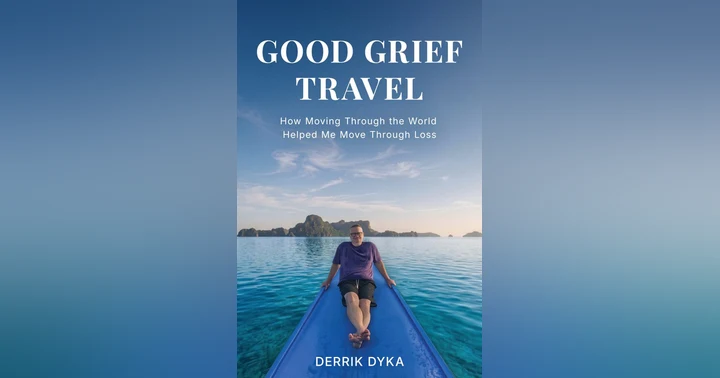
Grief Travel and Healing After Loss: Derrik Dyka’s Journey Forward