Apple Podcasts

 Spotify

 Youtube Music
From Heart Failure to Hope | Gaylen Wilson

What happens to a marriage when one person is fighting to stay alive? Gaylen Wilson, a heart transplant survivor, shares what years of life-threatening illness meant for his marriage and caregiving.
In this deeply moving episode of Travel Time Stories, Shannon and Ann sit down with Gaylen Wilson—heart transplant survivor, Certified Thriving Relationship Coach, and co-founder of The Monument Method Institute—to discuss what it's really like to spend years living under the shadow of life-threatening illness.
Together they explore:
❤️ Living with end-stage heart failure
🫀 Waiting for a heart transplant
💍 How serious illness changes marriage
🤝 The emotional realities of caregiving
🌿 Intimacy, identity, and healing after medical trauma
📚 Turning pain into purpose through helping thousands of couples
Gaylen shares how surviving a heart transplant wasn't the end of his story—it became the beginning of a mission to help others navigate relationships, resilience, and hope.
💬 Question for our listeners: Has there been a difficult season in your life that ultimately reshaped your purpose?
🔔 Subscribe for more conversations about healing, resilience, love, and the journeys that transform us.
Gaylen Wilson:
https://www.monumentmethodinstitute.com/
#traveltimestories #hearttransplant #heartfailure #heartfailureawareness #gaylenwilson #caringforspouse #relationshipadvice #caringforlovedones #podmatch
SPEAKER_06
We got the call, there was a heart available.
SPEAKER_02
Wow. That's incredible.
SPEAKER_06
I still I get goosebumps telling the story still after eight years. And so we grabbed our little to go bag like a pregnant couple keeps, and out the door we went, and we were having an eastern Colorado hail storm, huge hail storm. And we drove through that rain and hail for a hundred miles, and the waterworks were going outside the car, and the waterworks were still going inside the car because she had switched from crying because she was sad to crying because she was excited and scared because there was a 5% chance I could die on that table. And so they had given us till 1 30 in the morning uh to get there, and we slid into that parking lot at 115. So we just barely got there in time. They rolled me into the OR at four o'clock in the morning, and by nine o'clock the next morning, I had a 38-year-old heart in my 61-year-old body.
SPEAKER_02
Most wedding vows promise in sickness and in health. However, I think most of us don't really think about those words at the time that we're saying them.
SPEAKER_01
But no one tells you what those words look like when sickness becomes your everyday life for years on end.
SPEAKER_02
When every phone call could change everything. Today's conversation isn't just about surviving a heart transplant. It's about what happens to a marriage when tomorrow is never guaranteed and when one partner becomes a caregiver to the other partner. Welcome back to Travel Time Stories, where we share real journeys, real stories, and real healing. Today's guest reminds us that sometimes the greatest journeys don't take us across countries. They take us through the deepest valleys of our lives. As someone who is currently in the valley right now, this story touches me deeply. Joining us today is Galen Wilson, a heart transplant survivor, a 20-year sober former alcoholic, certified thriving relationship coach, erectile dysfunction advocate, relationship author, and co-founder of the Monument Method Institute, alongside his wife Heather. After a virus attacked his heart in 2014, Galen spent three and a half years living with end-stage heart failure, knowing that without a transplant, he would not survive. But as you'll hear today, the transplant wasn't the end of the story. In many ways, it was the beginning. Galen, welcome to the show.
SPEAKER_06
It's my pleasure to be here, Shannon and Ann. I I'm so honored to be on your show.
SPEAKER_01
You're so happy to have you. This is such a great subject tonight.
SPEAKER_02
Exactly. And like I said at the beginning, this subject really hits home as someone who's currently in this situation, going through it with my spouse. I'm his caregiver currently. Me and my son share that responsibility. He was diagnosed three years ago with end-stage kidney disease and failure and has been on dialysis ever since. It was one of those things that there was no nothing to happen prior to indicate that this was going to happen. It was just out of the blue, sudden in the middle of the night, you know. And so it really that's when it really gets you, is when it's totally unexpected. Yeah.
SPEAKER_05
Yeah.
SPEAKER_02
And so I'd like to start, Galen, before your diagnosis, tell us about life before you got the virus and got sick. Who were you and Heather before everything changed?
SPEAKER_06
Well, I you mentioned that I'd been uh I'm 20 years sober alcoholic. I met Heather in the fall of 2002. September 22nd is our 24th anniversary of the day we met. Congratulations. That's wonderful. Thank you. And I was still at the tail end of my alcoholism when I met her. I was charming enough that I won her. And and I was going like six months at a time before I would have a binge weekend. And and generally it was confined to a weekend, and and by the next week I was back sober again and would go sober for a long time. And uh a lot of times alcoholics say they switched their addiction. And so I I switched my addiction from alcohol to Heather. She was a lot better. It was both of our second marriages, and uh, she was actually the first girl I dated after my first marriage, and and so I hit the jackpot right off the bat. And we started off I'd been studying some tantric sex techniques, and eye gazing is a a big part of a tenet of tantric sex. I didn't really get into the whole Hindu part of it, but so we started off our relationship with a lot of eye gazing. It creates an an extremely deep bond between couples when they do that during love making. And so we basically never left the romance phase for the first 12 years of our marriage.
SPEAKER_05
We just That's wonderful.
SPEAKER_06
Yeah. Anytime we would have a fight, we knew how to repair. And so I'd been a farmer in my twenties. Uh two of my last three years were cop failures for drought, and so I ended up filing bankruptcy. I went from far being a farmer to a stockbroker. I did quite well at that. Those those New Yorkers seemed to love my southeast Colorado accent and laid-back cowboy ways. And uh, I was doing quite well at it. I walk into work one Monday morning in January of 1990, and they announced I had been selling this little dental HMO to all of my customers. I even had $3,000 of my mother's money in it because it looked the financials looked so good. Well, they'd been lying on their financials and file chapter seven. And so none of my clients wanted to talk to me, and my mother barely was on. Right. So I can name that day as the day I crawled inside a vodka bottle for 10 years. So just about the time I was getting sober again and getting my life really back together again. Uh, I got a job as a traveling computer consultant in January of 2001 for a company called PeopleSoft, where they sent me all over the country on projects uh consulting with their software. And so we all remember what happened in September of that year. Those planes flew into the building and that whole consulting industry industry went down in ashes with it. And that was about the end of my first marriage. I'd had a really good marriage. Uh, I have nothing bad to say about my ex. In fact, she put up with my BS probably a lot longer than what she should have with with my alcoholism. Because I was I was a roaring alcoholic. I I wasn't a mean one, but I I was an absent one. I'd come home from work and drink till I passed out and then get up in the morning and take a couple drinks to get going again. And it was also about that time that I discovered a book called Rational Recovery. And it's interesting how this is going to tie in to my to later on, because in Rational Recovery, they talked about how alcohol goes into your primal brain and makes itself an instinct. And so it makes that yourself as an instinct that's just as strong as your need for water, need for food, need for sex. And so anytime an alcoholic tries to get sober, that primal brain's going, You're gonna die, boy. And and so that's why they're driven to go get that alcohol. And so once I understood that, I call it the thinking man's way of getting sober because uh once I understood that, I was able to tell that primal brain, no, I'm not gonna die. I'm okay. And Heather and I met, we had this amazing relationship for 12 years, and then we were traveling doing computer field service work all over the United States. We had hooked up with an outfit out of West Virginia that had a contract with ATT, and ATT had the contract with the Farm Service Agency to provide the computer equipment for all the offices across the country, and so they sent us into the county seats all around the United States driving to these county seats.
SPEAKER_05
Wow. Wow.
SPEAKER_06
Yeah. And our biggest trip was we left July 6th of 2014 in a brand new little Toyota Prius C. That's the smallest Prius they make. Oh my god. And I had built a uh four by four foot Harbor Freight trailer kit and put a Sears car top carrier on it, and that's what we threw our luggage in. And I took Heather and her 14 and 16-year-old daughters, and we drove through 35 states and did 250 offices in 31 states. 17 weeks, 17 weeks and 25,000 miles on the road.
SPEAKER_02
I cannot imagine that in that little car with all those people. And and I look back and luggage.
SPEAKER_06
And I look back at that time, and I I now, in hindsight, I see how that time actually trained us really well for what was coming. Because when you're in a little popcorn like that, you learn to say I'm sorry really quickly, and you're forgiven really quickly, because there's nothing quite as miserable as driving hundreds of miles a day with somebody you're mad at. Right. Exactly. And and so we we and we didn't have our normal uh repair tool handy because we had the girls with us. Exactly. And so so we got home in in mid-October. The girls were done with the road. They were gonna stay with our 18-year-old brother, and they've we're staying with brother, and so we went back out for two or three weeks, and and we got back home in mid-December, and the the the farm service agency offices didn't do much during that time, so it wasn't reliable to keep going. And so, but I got really sick around Christmas time, just shortly after Christmas. And so I went into our little clinic, and we live live in a little town of 7,500 in southeast Colorado, so we're quite a ways away from the cities. We have a hard time keeping good healthcare professionals because as soon as they get any good, they're gone to the city to make more money.
SPEAKER_02
Right, yeah.
SPEAKER_06
And and so the physician's assistant that I had said, Galen, you've got pneumonia. Here's some antibiotics. And uh he didn't do a chest x-ray, which I since found out that that's a huge no-no. You don't diagnose pneumonia without a chest x-ray.
SPEAKER_02
Exactly, yeah.
SPEAKER_06
And had he actually done that, it's likely I would have never had to have a heart transplant. But he didn't, and and so Heather and I had another three and a half month trip planned for January, uh, going down through Texas and Arizona and up through California and Oregon and Washington and back down through Utah. And we had bought a motorhome for this trip. Oh, nice. Yeah, and because she wanted to take her puppies with us. I don't blame her. She she went through puppy withdrawal on that 17-week trip. And uh so I had bought an oxygen generator when I had the pneumonia, and so we threw it in because I was still needing it at night. The stuff coming up out of my lungs was clear, but at nighttime I needed it to help sleep. And so we put it in the motorhome and and we took off. And the further we got into the trip, the weaker I got, and the more out of breath I got, until about six weeks into the trip, I had a little 10-pound bag of tools that I would carry into the office, and I'd have to sit it down on the counter and suck air for a couple of minutes before I could tell them why I was there.
SPEAKER_02
Wow.
SPEAKER_06
And so Yeah, not good. So it was President's Day in Corpus Christi, Texas, a thousand miles from home. And uh and so all the FSA offices were closed. So I told Heather, hey, let's find a walk-in clinic, see if this pneumonia is coming back. And so we went in there and uh they did send me for the chest x-ray, and they called me back that afternoon and said, Mr. Wilson, you don't have pneumonia. You've got congestive heart failure. You need to get home to Colorado today.
SPEAKER_02
Well, my gosh.
SPEAKER_06
Yeah, my bright idea, the denial of that afternoon was, well, we're making $300 a job and getting three to four jobs a day and let's finish this next six weeks and we'll get it taken care of.
SPEAKER_02
About like a man's perspective on that. Yeah. Yeah.
SPEAKER_06
And so, but two two jobs in the next day, it sunk in that I had a severe heart problem and that I probably should get home. So I called my people and said, I can't could can't finish the trip. And poor Heather, she's from a town of 300 in Southeast Colorado. In fact, she grew up seven miles outside that town of 300. Oh wow. And so she doesn't do city traffic. And I was too too weak to to help with the driving, and she had to drive that motor home the thousand miles home. Uh she did no, we did we did have a long hose on it, so I she made me come up and sit beside her in the seat as she drove through San Antonio. Yeah.
SPEAKER_02
Yeah, I don't blame her.
SPEAKER_06
Yeah, me either. She was not happy about that. But and of course, she's on top of the stress of doing that drive, she also had the stress of uh, you know, it's worrying about you. Worrying about you. Yeah. Yeah. And I I really think if I hadn't had that oxygen generator with us, I likely might not have survived that trip home.
SPEAKER_02
Yeah.
SPEAKER_06
Because I just stayed on that oxygen all the time. And and so we get home, and again, small town, we've got a little hospital, but it's a triage hospital. You walk in there and they say, okay, Mr. Wilson, the ambulance will be here to take you to Colorado Springs. And so they get me into the springs and they did their echo echoes and stuff, and and a normal healthy human heart puts out 50 to 60 percent out of the left chamber every time it beats. Mine was putting out five. So I was knocking on desk door really hard.
SPEAKER_02
Yeah, very, very hard.
SPEAKER_06
Yeah. Wow. And so uh they gave me LASIK, which is a diuretic, and and it took off 22 pounds in two days. So that's almost equal to three gallons of water that they took off from around my heart and lungs. And because the doctor was explaining it, and I said, So, in other words, my heart and lungs got in a barroom brawl in the middle of a pool. He says, Yeah, pretty much. Pretty much. Yeah. And uh, I had also been on a bicycling kick uh three years previous. Heather had bought me a bicycle for Father's Day, and I had stopped in our local community building and they had a flyer for the the tin man triathlon. I said, I'm gonna do that. And so I trained for that and did it and completed it, believe it or not. Oh my god. And and so I rode my bike for about a hundred miles a week that the rest of that fall until October when the snow flew, and I put the bike away intending on getting it out in in March and it never came back. But I think that the it got my circulatory system in such good shape that my poor little five percent heart was able to keep me alive. Right. And so again, things just it's like somebody was planning this.
SPEAKER_01
And set everything up. Yeah.
SPEAKER_06
And so after the virus hit, Heather and I were still able to make love a couple three times a week, you know, as long as I was feeling pretty, pretty decent for the next couple of years. But with about a year and a half before the transplant, you know, my heart just got so bad that it just became impossible. And you know, she basically had to watch me dying slowly in front of her eyes for three and a half years. And it's during that time that a lot of uh relationships will crumble. You know, either either the patient starts withdrawing into themselves and pushing their caregiver away, yeah, or the caregiver just gets so exhausted that they say, I can't do this anymore, I'm out. And Heather never hinted that she wanted out. She stuck by me and nursed me right through to the end. And I think a lot of it was as we tended, first of all, we didn't lose our affection. We still kept touching and eye-gazing and cuddling and being close. And also that repair that we had learned in the Prius kept us close. And I think our bond actually got stronger as we as as I got worse, we clung together even more. Right. I mean, right to the end. I in May of 2018, I late May, I had my defibrillator go off and save my life.
SPEAKER_05
Oh, wow.
SPEAKER_06
Heather had been rubbing my legs. I've got a keeper, I've got a wife that has rubbed my legs or back for 24 years, almost 24 years now, every now.
SPEAKER_02
Yeah, she's definitely a keeper.
SPEAKER_06
Yeah, you need to hold on to that lady. Yeah, and so she was rubbing my legs and got shocked.
SPEAKER_02
Oh, wow.
SPEAKER_06
When my defibrillator went off and shocked my leg.
SPEAKER_02
Wow.
SPEAKER_06
And evidently by my body just did the flop thing on the bed, you know, kind of like in the movies you see the paddles and they have well that was inside my body that it did it, but it still made me flop. And yeah, she would poking me in and saying, What just happened? And and I said, I don't know. I all I remember saying, Man, I feel funky. And the next thing I know, she's asking me what happened. So I I had evidently passed out. And so I had a little mouse thing that I could hold over the defibrillar and it would read it, and then I could put it in the cradle and and it would send the report to Denver. And so I I turned over and went back to sleep because I wasn't really interested in going to the ER in that little town and have them send me to Colorado Springs that night. So I went back, I went back to sleep. Uh needless to say, Heather didn't get any sleep, poking me to see if I was still alive. And next morning I read it and sent it up there. And I called them and they said, Oh, yeah, that's where the term drop dead comes from. He said, Your heart rate had been 240 beats a minute right before that went off and shocked you back into the rhythm. Had you not had that in your body, you would have been dead on the spot.
SPEAKER_02
Wow.
SPEAKER_06
Wow, and so then a week later, my heart went back into AFib again, and so I had to travel to Denver to get cardioverted back into rhythm again. And so that was two cardioversions within a week, and it just, I mean, it took it out of me. I I could, yeah. I I could tell, I just could knew that I wasn't gonna be around much longer. So I set Heather down on June 19th, 2018, at nine o'clock at night and said, Honey, I'm not gonna be here in two to three months. We need to finish getting ready. We'd been to the mortuary once, but we'd been putting off the final decisions. And so we needed to go make those final decisions. And of course, she's crying her eyes out because her soulmate had just told her that he was gonna be gone in two to three months. And a half an hour after I told her that we got the call, there was a heart available.
SPEAKER_02
Wow, that's incredible! Oh my gosh. I got goosebumps.
SPEAKER_06
Yeah, I still I get goosebumps telling the story still after eight years. And and so we grabbed our little to go bag like a pregnant couple keeps, and out the door we went, and we were having an eastern Colorado hail storm, huge hail storm. I mean, it was a hundred miles wide, and we drove through that rain and hail for a hundred miles, and the waterworks were going outside the car, and the waterworks were still going inside the car because she had switched from crying because she was sad to crying because she was excited and scared because there was a five percent chance I could die on that table. Right. The first hundred miles and then that storm, and then we finally hit the interstate and and had clean driving from there. I don't know how fast she went. I was I wasn't playing the highway patrol that night. And so we they had given us till 1.30 in the morning uh to get there, and we slid into that parking lot at 115.
SPEAKER_01
So we just barely got there.
SPEAKER_06
We just barely made it. Oh my gosh. And so they rolled us into the OR at four o'clock in the morning, and by nine o'clock the next morning, I had a 38-year-old heart in my 61-year-old body. And the first thing Heather says was, You're pink again. Because even she hadn't realized how gray I'd gotten because I didn't have any blood flow. And yeah, and so, like I say, I had I'd been doing some uh gardening before that, that I'd gotten myself just about the best condition I could have with the heart as bad as it was. And so when they dropped that Ferrari engine into the into this old Ford pickup, I was just off to the races. I I worked nine miles. Miles around the unit nine days or five miles nine days after transplant.
SPEAKER_02
That's amazing, Galen.
SPEAKER_06
Well they were they were gonna actually let me out nine days after transplant, which is unheard of.
SPEAKER_02
Yeah, I was gonna say that's unbelievable. I've never heard of anybody that quick.
SPEAKER_06
Yeah. But they did a biopsy and I still I had a little bit of rejection, so they kept me in and hit me with steroids for a week. And then they did did the biopsy, and it was a little better, but not where they wanted it, so they kept me in a third week and hit me with steroids. You know, the prednisone is the steroid they used. And and I don't know if you know anything about it, but 20 milligrams is a pretty good dose. The second week of the transplant after the ninth day, they had me on 250 a day.
SPEAKER_05
Oh my god.
SPEAKER_06
That third day, they had me on 500 a day. I tell people that I didn't get cranky, my bullshit tolerance just went down. And so again, I think I got out of 22 days and and was just they made us stay up there because they didn't want me 200 miles away from their emergency room. Right.
SPEAKER_02
Yeah, exactly.
SPEAKER_06
And so so anyway, so they've given me another 20 plus years with my soulmate. They've all they've told me that I'm gonna that my heart is so strong, my new heart is like 67% ejection fraction, so it's it's uh way above average. My my donor was a 38-year-old that was into snowboarding and inline skating and extreme sports, and so they've told me I'm I'm gonna die from something other than a heart problem now.
SPEAKER_02
Yeah.
SPEAKER_06
And so that has made me feel so blessed because first of all, I get another 20 years with her, and second of all, I have such an amazing relationship with her, and I've even found more ways to get even closer to her. Our relationship has really become a refuge from all the crazy in the world, and there's a lot of crazy in this world now. There sure is, that that is for certain. And so I type A personality again. I've got this insane need to find some way to pay that blessing forward. And about three years after um the transplant, my erectile dysfunction was getting worse. I was getting on towards 65, and I had actually developed ED back at 44 years old and caught a 17-year younger wife two years later, thanks to Viagra. It was nothing short of miraculous for us. And you know, they say one of the big beefs about Viagra is that you've got to plan sex. Well, Heather and I's answer to that was we just planned it often. There you go. And so after the transplant, we were able to go back to making love two or three times a week again. By the time I was 65, the Viagra was not being real reliable. You know, I was trying a couple of times a week and failing half the time. And so I joined a couple of groups for erectile dysfunction discussion on Facebook. And I got so active in those groups that within three months, the guy that had founded the biggest group eight years previous, he was he was done. He was ready to move on. And he saw me being so active. So he I asked him if I could be a moderator, and he says, No, you can just have it. You're the administrator now.
SPEAKER_05
Wow.
SPEAKER_06
And then three months later, the other one made me an administrator. So I've administrated those two groups for over five years and basically got a doctor's education in how to fix ED. And but one of my biggest frustrations in that, and this is again how things just, you know, kind of built up to where I'm at now. My one of my frustrations was is when women would come to the group and their man had developed ED, and he refused to go to the doctor and and do anything about it. And so the way he had dealt with it was to withdraw into himself, completely cut her off from any affection, no kissing, no cuddling, no emotional support. He basically just abandoned her in the marriage. And it it frustrated me because I'd kind of empathetic heart. And so, but that's all I could do for these women is just empathize with them and tell them I understood how rough it was. Some of these women had been with their man for five and ten years and had stayed with them because they loved them and and still had hope that that man would come back to them. And so that's the reason I got Heather and I into the course to become certified thriving relationship coaches was just to try to figure that man out, why he was doing what he was doing and how to get these how to help these women get him to come back. And if we remember, let's loop back around to that man because I figured it out. So the first book we read was Hold Me Tight by Dr. Sue Johnson. And in it she talks about her attachment theory. And our attachment theory is that we were bred through thousands of years of prehistoric evolution to have an instinct for a strong attachment to our mates. That the people that back back then that didn't have it didn't survive, and and their offspring didn't survive, so it got brought into forward into modern man as an instinct. And now you're seeing it tie back to my to my rational recovery days. So I immediately understood that. And and she went on to say that most of the fights that we get into are not about what we're fighting about, it's about that the fact that that instinct has detected a threat to the attachment and it's thrown our body into fight or flight mode, you know, just as if we were starving to death or dying of thirst. Right. Puts us in survival mode. And so when both parties get in fight or flight mode, the logical brain leaves the building and leaves what I call the lizard brains in control. And the lizard brains, the lizard brains say things that are mean and nasty and aren't meant and are hard to take back. And the lizard brain sees the partners, the other partner as the enemy, the enemy against the bond. And so they don't do a real good job of protecting the bond like they're actually supposed to be doing. And I always say there's no sexual desire without emotional system safety, especially for women. Eventually, if they do enough damage to each other's emotional system safety, you get five years down the road, they say they still love each other, but there's actually no intimacy happening because their bodies can't open up to that desire anymore because they're just so damaged.
unknown
Yeah.
SPEAKER_06
And so, of course, Heather and I never had that problem because we had learned to repair well. Right. Yeah. But I'm kind of the perfectionist. And so I when we learned about the attachment instinct, I said, okay, Heather, how do we stop triggering each other's attachment instinct? Because as good as our relationship is, we still got into the fights. I I don't trust people that say they don't fight.
SPEAKER_02
Exactly. Yeah.
SPEAKER_06
Because we we are wired to fight as human beings. So the first thing I came up with was, well, we need to watch what tone we talk to each other in. You know, because sometimes you talk to your loved one like they're the worst person on the planet. Yes. Yes. Exactly. Yeah. And and you think you get away with it because they love you, but you're really not getting away with it because you're triggering that attachment instinct, that there's a threat to the attachment. And so we gave each other permission. And permission is so important in the monument method. You've got to basically become a team against the lizard brains. And Heather and I believe we're building this big beautiful marble monument. That's where the monument method comes from. And each loving word or kind gesture, or especially when you make love with presence and eye gazing, you're building onto your monument. But each cruel word or cold shoulder or fight you get into is like taking a hammer and chisel to your monument. We decided we wanted to fiercely protect our monument. That's the monument method institute motto is fiercely protect the monument. And to do that, you've got to make the monument more important than your ego, and more important than winning a fight. Because nobody wins those fights really anyway. That's true. Yeah. And so again, we gave each other permission to start calling each other out when we were using tone. You know, honey, did you need to say that that way? And so that helped some, but we were still getting into the fights and getting into fight or flight mode. And so I got to thinking on it further. And I said, How do we stop getting in fight or flight altogether? How do we put the emergency brake on that? And so what I came up with was we gave each other a sacred word. And ours is monument. And so anytime one of us sees the other one heading towards the monument with the hammer and chisel, in other words, we've said something that's gonna start a fight, the other one could call monument. And that does a couple of things. First of all, it reminds us that the monument is more important than that fight we're getting ready to get into. And secondly, I called it a sacred word because we made a sacred vow that no matter how mad we were, the fight stopped right there. But when you stop the fight, you don't separate and go calm down because generally when you come back together, you're going to be right back where you were and back into fight or flight again. And so what we discovered to keep ourselves from getting into fight or flight was when we monument is called, we honor it and turn towards each other, come together, embrace each other's arms, and gaze lovingly into each other's eyes and patch that little spot on the monument that we just chipped out. And the and the science behind that is that when you gaze into your lover's eyes, it goes into that primal brain and tells that primal brain, your attachment's safe. You can stand down. And so that's what it does. The the nervous system says, Oh, I'm safe. I can let the body out of fight or flight mode. The logical brain can return to the building and and you can logically discuss what it is you were getting ready to have a big fight about. And so that's what we call the monument method.
SPEAKER_02
Okay. There you go.
SPEAKER_06
Now I find myself on this mission to save millions of marriages. There you go.
SPEAKER_01
That's a good mission, Galen.
SPEAKER_02
Exactly. Yeah. So what do you hope that couples feel when they finish your books?
SPEAKER_06
I like to say that the greatest gift this life has to offer is a strong romantic sexual friendship and spiritual bond with one person you choose to become incredibly one with. And that anything you're doing in life, you need to run through the filter of does this protect that bond? And and so I if you do that, you're gonna end up with a pretty decent life. Yeah.
SPEAKER_01
There you go.
SPEAKER_06
I like that.
SPEAKER_01
So if yeah, I do too. If someone is listening is caring for a spouse with a serious illness right now, what would you want to say to them, Galen?
SPEAKER_06
I I would say reach out and connect. That connection is so healing when you can learn to get to connect with your loved one and and and it brings them, I I think it actually helps with the physical healing of of the person that's in long-term decline to to have that bond. I I know I I can tell you with no uncertainty that had I not had Heather, I would have given up and died about year two and a half. Right. Yeah and so she was she was what ke gave me a reason to get up the next morning.
SPEAKER_05
That's wonderful.
SPEAKER_06
Yeah, you've you found a very special lady, Galen. Oh I did. Yeah, I call her my treasure because she is she's my treasure. If I lost everything else in the world and still had her, I'd be the wealthiest man alive.
SPEAKER_02
That's wonderful that you recognize that and that she in turn knows that that's how you feel about her. Yeah. Yeah, that's that's wonderful. It's hard when it's the other way and that person no longer makes you know and feel that that's how they truly feel about you. I mean, yeah, my husband and I 33 years now, and for the last three years since this happened, strangers now after 33 years. Well, when you try to connect and they don't, you know, yeah, it's kind of hard that that's like that's kind of hard.
SPEAKER_06
That that's like I said, you gotta become a team. And uh if one player doesn't want to play on the team, I I understand how rough that can be.
SPEAKER_02
Yeah, exactly. Because you can't as as my mom used to say, you can lead a horse to water, but you can't make them drink.
SPEAKER_06
So, you know, it's a and and I actually am in the middle of the very beginnings of the monument method for long-term illness book. And and I I'm planning on writing the full book and and then I'm planning on writing a field crisis guide for them to hand out in hospitals because that's the one thing the doctors don't pay attention to what's going on with a relationship. They could care, they could care less. They're there to fix the medical problem, and they're not really understanding how much better they could do their job if the couple were on solid ground.
SPEAKER_02
Yeah. Because it is true, having that relationship is healing. One thing that really stayed with me from your email was when you said the journey matters as much as the destination. And I think today's conversation proved exactly that. This wasn't just a story about surviving, it was about learning to love differently, to hope differently, and then to ultimately live differently.
SPEAKER_05
Yes.
SPEAKER_06
Yeah. Yes. You go to my monumentmethodinstitute.com and find the MVP button and scroll down to the bottom. You can download either the PDF or an EPUB that can be imported into Kindle, and you can eat them in Kindle. As part of my pay it forward from my transplant, I'm making MVP free for life. I'm not going to ever charge for it as long as I'm alive.
SPEAKER_01
Wow. You just answered my next question about where can our listeners find you, Galen. Thank you for that. You're welcome. And really, thank you for reminding us that sometimes our greatest purpose goes out of our deepest pain. Mm-hmm. It's been a really good podcast. Thank you.
SPEAKER_02
Exactly. We're so grateful that you joined us today, Galen. And uh thank you for listening. Take a moment to reflect. And if today's episode touched your heart, share it with someone who may be walking through illness, caregiving, grief, or uncertainty. Remember that every story has the power to change a life. And hope isn't found only in miracles. Sometimes it's found in choosing each other one day at a time.
SPEAKER_01
Exactly. Until next time, keep traveling your story and keep making memories for life.
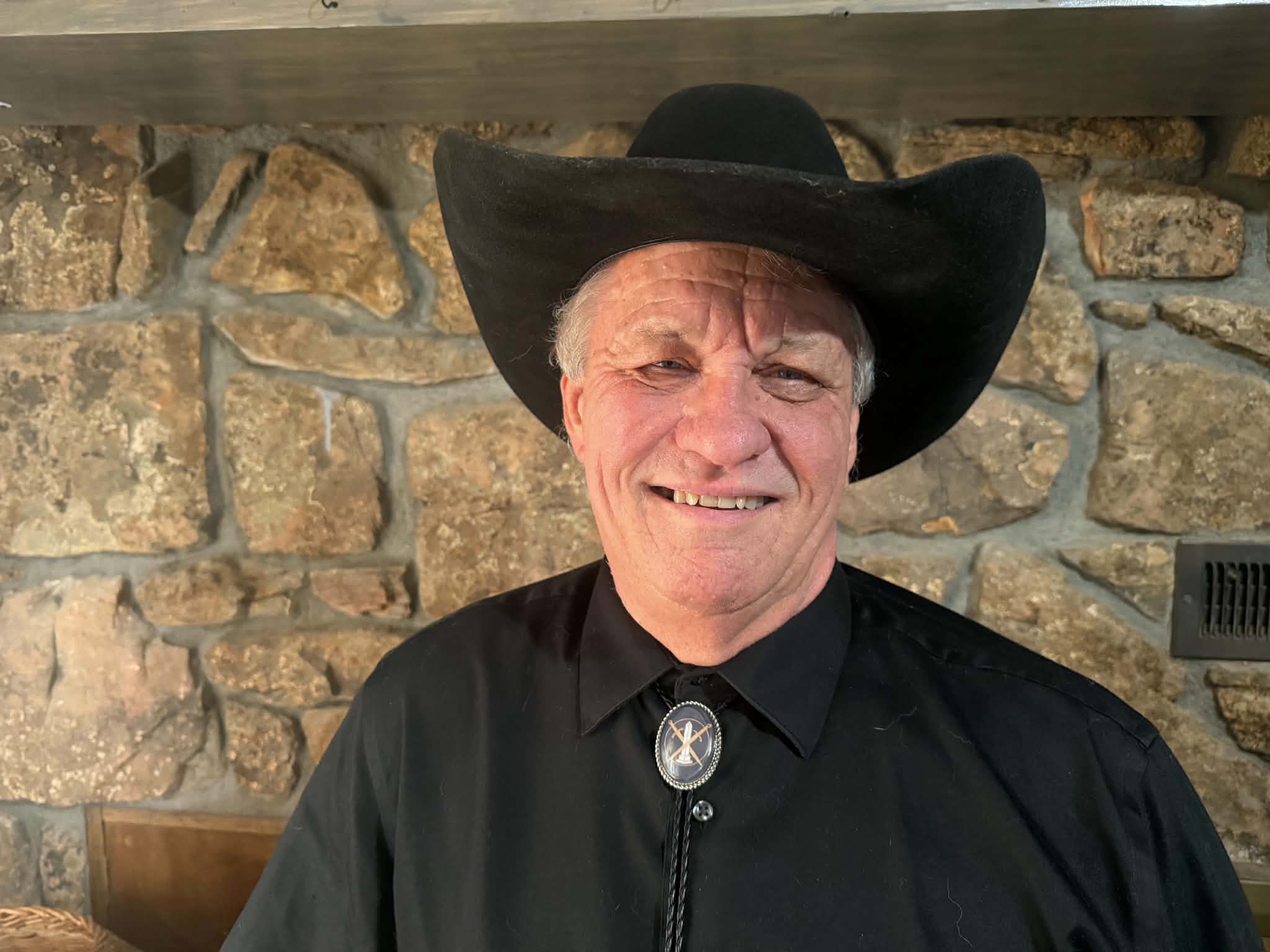
Heart Transplant Survivor/Certified Thriving Relationship Coach
Gaylen Wilson, a heart transplant survivor, 20-years-sober former alcoholic, relationship author, erectile dysfunction advocate, Certified Thriving Relationship Coach, and founder of The Monument Method Institute with his wife Heather.
For more than five years, Gaylen helped inside two of the largest erectile dysfunction support communities on Facebook, serving roughly 60,000 men and partners. Through thousands of conversations, he saw that ED is often far more than a bedroom problem. It can become a mental-health crisis involving shame, anxiety, depression, avoidance, masculinity collapse, and relationship damage.
Those experiences helped shape The Monument Method, a relationship system focused on emotional safety, conflict repair, intimacy restoration, personal responsibility, and protecting the bond under pressure.
Gaylen and Heather are also building MVP — Monument Validated Person — a relationship-readiness dating platform designed for people who want to prepare for healthier relationships before they start dating.
His mission is simple: to help people build relationships strong enough that neither person has to survive life alone anymore.