

 Apple Podcasts

 Spotify

 Youtube Music
Why Success Still Feels Empty | Dr. Carla Caturia

What if success isn't making you happy? In this powerful episode of Travel Time Stories, Shannon and Ann sit down with Dr. Carla Caturia, Elite Mindset Coach and founder of The House of Rise, to discuss burnout, perfectionism, identity, emotional resilience, and the hidden cost of achievement. After experiencing her own major life reset in her 40s, Dr. Carla developed the RISE Method to help high-achieving individuals break free from what she calls the Success Without Self Cycle—the pattern o...
What if success isn't making you happy?
In this powerful episode of Travel Time Stories, Shannon and Ann sit down with Dr. Carla Caturia, Elite Mindset Coach and founder of The House of Rise, to discuss burnout, perfectionism, identity, emotional resilience, and the hidden cost of achievement.
After experiencing her own major life reset in her 40s, Dr. Carla developed the RISE Method to help high-achieving individuals break free from what she calls the Success Without Self Cycle—the pattern of looking successful on the outside while quietly losing connection with yourself on the inside.
In This Episode:
✨ The hidden emotional cost of achievement
🖤 Burnout and perfectionism
🌿 Reinvention after major life transitions
🧠 Self-trust and emotional resilience
❤️ Identity beyond productivity
🌱 Creating a life that feels aligned
If you've ever wondered why external success doesn't always bring internal fulfillment, this conversation is for you.
💬 What does success mean to you now versus ten years ago?
Dr. Carla Caturia:
Web: https://thehouseofrise.com/
Instagram: https://www.instagram.com/drcarlacaturia/
SPEAKER_02
What we've been taught is to take care of everyone else first. If I'm a mom, even if I'm an aunt, if I'm a neighbor, it doesn't matter what I am. We need to teach younger people and ourselves that we need to take care of ourselves first before we take care of everyone else. And I think that's something that that we we see as selfish as a society, but it's actually a good selfish. And that's okay. That's a good thing.
SPEAKER_04
The way we've learned to measure our worth.
SPEAKER_03
Today's conversation is about burnout, identity, reinvention, and what happens when achievement stops feeling like enough. Welcome back to Travel Time Stories, where we share real journeys, real stories, and real healing.
SPEAKER_04
Today's guest is someone who helps people navigate something many of us experienced but rarely talk about the hidden emotional cost of always being the capable one.
SPEAKER_03
Joining us today is Dr. Carla Katuria. She is an elite mindset coach and the founder of the House of Rise and the creator of the Rise Method.
SPEAKER_04
After more than 20 years in leadership and administration, Dr. Carla experienced her own life reset and now helps high-achiev individuals move beyond burnout, perfectionism, and performative success toward a more authentic and sustainable life.
SPEAKER_03
Dr. Carla, welcome to the show. Thank you so much for having me. I appreciate both of you. I'm excited to have this discussion with you guys. Yes, us too. So one thing you talk about is something called success without self-cycle. What exactly is that?
SPEAKER_02
Yeah, so this is something like I experienced and didn't realize it was a like kind of put it together. And I think what happens is with many people that are high achievers that want to do a good job in their schooling, workplace, life in general, become attached to achievement. So it's getting the next promotion or getting, you know, another accolade. And you start to realize that you um maybe you don't realize at first, but you start to put a lot of pressure on yourself, self-imposed, you you overthink things, you're become a perfectionist, you're afraid of falling behind and disappointing others, and you kind of lose yourself in this process. And when you lose yourself and you don't trust yourself, that's when you start to kind of have that anxiety overwhelm. And you eventually end up breaking down and becoming dysregulated on a regular basis. So that's what I kind of call the success without self. You still are successful, but you kind of are living a life and become someone that you that you don't really want to be anymore. I don't want to be anxious, I don't want to be overwhelmed, you know? And you like, you know, you don't like that that version that you've become. And that that's that's what exactly what happened to me. Yeah.
SPEAKER_04
Now I think a lot of people who listen will recognize this. How does someone know that they've fallen into that cycle?
SPEAKER_02
I think oftentimes we, if I speak from my own experience, I didn't realize it for quite some time, like years. I just thought this was how we live. Like I have a deadline, I work 10 hours, I, you know, I don't put myself first. I always kind of really just use up all my energy on everything and everyone else. But I think what happened is I eventually broke. And I don't know that I had an emotional breakdown like it would have been noticeable, but something kind of in my head was just like, there's gotta be a different way. There's gotta be a better way. Like I can't, it takes me so much energy to feel good. And it shouldn't be that hard for me to feel good. I live a good life. So I think it can show up in people in different ways. It can be an emotional breakdown, it can be like an avoidance and a procrastination. It could be um, there's like you're always having conflict with people in your life, or even like the a paralysis, like you're not able to do things you were able to do before. Um, and I think with me, I just I lost interest and and didn't feel like I was making a difference. I I cared about the people I was working with, but I was like, this method of what I'm doing thing, the way I'm living and the way that I'm doing things in my career just doesn't make sense. I'm meant to do something greater and something different and something better. And yeah, so that's kind of how it showed up for me.
SPEAKER_03
Yeah, so someone can be successful by every external measure and still feel completely disconnected from themselves.
SPEAKER_02
Yeah, and you think you're connected, but you then once you actually go and do the work to actually reconnect with yourself, you're like, wow, how disconnected I was when you look back at your old self. For people out there listen, for everyone listening, it isn't something that's necessarily obvious that you're missing. Like maybe you don't even realize that you're overwhelmed right now or that you're you're withdrawn or that you're breaking down. Um, but if you then if you start to weigh like how many, how much hours in the how many hours in the day am I feeling powerful and I'm feeling happy and good and all the great emotions like joy and curiosity? And how many hours in the day am I like complaining or stressed or or you know, just not feeling good? And if if if it starts to you have the not feeling good is way higher than the feeling good, you're probably in dysregulated, withdrawn, you're probably breaking down. You're in that cycle. Yeah.
SPEAKER_04
Yeah. So why do you think high achievers often struggle with self-trust?
SPEAKER_02
Good question. Good question. I think it stems what I'm seeing because I work a lot with tweens, teens, young adults, and their families. And many of the families I work with do not put a lot of pressure on their kids. Yes, they want them to achieve, yes, they they push them to some extent, but for the most part, it's the kids putting the pressure on themselves. And so I think they they learn that from their parents. And to answer your question, like high achievers are putting the pressure on themselves. They want praise. They want to, you know, their parents to they want it's like that human need of feeling significant and feeling connected, and they're filling those human needs by getting praise from their parents, and they feel they need the praise because of their achievements, but little do they know they're enough already just who they are.
SPEAKER_03
Yeah.
SPEAKER_02
Yeah. Yeah.
SPEAKER_03
Yep. So do you think society rewards people for abandoning themselves?
SPEAKER_02
I think inadvertently, if society was a person listening, I would be like, no, but yes, absolutely. I mean, it's like, yeah, I mean, you know, like you do well at your job and your boss gives you another assignment, and you're like, wait a minute, just because I'm good, why am I getting more work? Well, because if you think of from the boss's point of view, they need to get stuff done. And if you're doing it well, they're gonna give it to you. So yeah, it rewards you. Like if you do a great job, it you would think the reward would be a break or a vacation or some, you know, some kind of, but no, it's pretty much more work.
SPEAKER_04
More work. So exactly.
SPEAKER_02
Mm-hmm.
SPEAKER_05
Mm-hmm.
SPEAKER_04
Absolutely.
SPEAKER_05
So yes, I yes.
SPEAKER_04
That's you know, what's the emotional price people pay for being the strong one or the reliable one? It, you know.
SPEAKER_02
Yeah, I get yeah, a lot of times, you know, to that question, I say, like, you know, you're achieving, but what at what cost? You're successful at what cost? So it could be that you miss all your kids' gains or something like that if you're a parent. It could be that, you know, you haven't spent time with certain friends and you haven't gone and just, you know, grabbed the drink on a Friday night for an hour or something, you know. So it also could be like we talked about the lack of self-trust and the disconnection from self. It could be like you haven't read a book for fun in a long, you know, so you're you're basically missing out on life. And emotionally, you need the connection with other people, you need the going to the kids' game and the time by yourself. I think you really sacrifice the other aspects of your life by digging so much into the achievements or the career or the schooling or you know, whatever it is that you're whatever wheel you're turning in society. And that's important, but that doesn't have to be who you are. You're separate from from that, you know. And I think that's where they people lose.
SPEAKER_04
And I can tell you from experience, you are gonna regret missing out on all of that later. I can promise you.
SPEAKER_02
Yeah, exactly. And I think it's a control thing. Like if if I what if I take this weekend off and I don't open my laptop, or if I go on vacation, or if I you know watch a movie with my kids or something instead of checking my email, like what do you think is gonna happen? Like we we often catastrophize things and it's like probably not much is gonna happen. You're probably just gonna do it the next day, you know.
SPEAKER_03
Yeah. That's so true.
SPEAKER_04
Yes.
SPEAKER_03
Yeah, yeah. So do you do you think people tie their identity to productivity because that's the generations before us, that's like what we were taught and ingrained in us. That you know, you're rewarded for hard work, and hard work is how you get somewhere and make something of yourself and that kind of thing. Exactly.
SPEAKER_02
Exactly a hundred percent. I even remember like my dad worked so hard and it was always a struggle, and it was almost like he was banging his head against the wall, and then he went back to school because he he didn't have a degree, and he would be like, everything was so hard, and making money was so hard. It's like, and it it was a mindset that my dad, my dad was fantastic, he was a great person, but he had this mindset of like hard work. It must be hard in order for me to achieve or make money or do well. Like it has to be a struggle. And the mindset shift is like, no, that that that's not that's just a story you're telling yourself. It doesn't have to be that way. Like it can come, it can come easy. It can be, you know, in alignment with you. You can be open to different opportunities. You don't have it doesn't have to be struggle or hard. And I think that's the mindset that people have had in the past. That's a mindset that was passed to me, and I had to shift that whole thing around. It's like, no, just because I have time in my day to meditate or to think or to find clarity doesn't mean that I'm being lazy. That's actually like good for me. That's okay. Yeah. Yeah.
SPEAKER_04
Yeah, exactly. What are some signs that achievement has become an unhealthy coping mechanism?
SPEAKER_02
I think, you know, you that's kind of all you think about. Like, you know, you go if you have a conversation with a stranger, do you automatically talk about the work and all the things you have to do? Or are you, you know, curious on asking them questions? Are you, you know, kind of more laid back about it? Or is it, do you find yourself waking up in the middle of the night and writing something down on a notepad or like I have to do this or I'm it's not gonna get done? You know? So I think it's a it's always top of mind and it's an anxious attachment top of mind, not a, oh, I just thought of a great idea kind of thing. It's more of a it's more of just yeah, like that's that's all you can, you know. Like if I asked you, you know, some questions about yourself and all you can relate it to is work, then yeah, that's a problem. You know, like like who are you, who are you outside of this job that you're doing? Because we're all replaceable. Anybody can do it, you know, so that's not who you are, that's just what you do. And if you can't separate that, if you can't separate that, that's the problem.
SPEAKER_03
And and if you can't separate that when something does happen and you're no longer at that job or doing that specific type of work, then that totally messes with your head big time. Causes you massive issues, you have you go through grieving. I mean, all kinds of things that is bad for you happen when you're totally tied to what you do is your your identity's tied to that.
SPEAKER_02
Oh yeah, a hundred percent. I d I definitely agree with that. Um Yeah, and it and just and it just yeah, that it just exa it exasperates it more. Absolutely. Absolutely.
SPEAKER_03
And and thinking back, like uh talking about past generations, like when my dad, when he retired, I mean, he had been a workaholic all of his life, and his whole identity and everything was wrapped up in what he did, his job, and then he retires, and that totally messed him up. He had no clue what to do until he finally figured out, okay, I can now do these hobbies that I had wanted to do a long time ago and never had time for. It took a while, a long while, for him to get switched that mindset and learn that okay, that wasn't who I was, that was what I did. Now I'm retired, and now I can do X, Y, and Z, you know, and be okay with doing it. Yeah, he had to actually give himself permission.
SPEAKER_04
Yeah. Yeah, it's a it's a true grieving process for some people when they retire. It really is. Oh, yeah. They have to they don't even know who they are anymore.
SPEAKER_02
Yeah. Well, and I like my mom right now is considering retiring. I think she should have retired a year ago, but she's not staying in her job because of any other reason, in my opinion. The deep-seated reason is like, well, who am I and what am I gonna do? You know, I was like, you can volunteer, you can get a part-time job, you can go travel the world, you can do whatever you want right now, but it's it's that it's the fear of the unknown of like, can I actually allow myself to have permission to live a different type of life? Yeah.
SPEAKER_03
Yeah. That's what I was gonna say. Do you think overachievement is sometimes rooted in fear rather than actual ambition? Yeah.
SPEAKER_02
Yeah. And I, you know, a lot of a lot of kids I work with that are athletes, they're not afraid of failure and losing the match or the game. Oftentimes they're afraid of winning because then they have to keep that expectation up. So it's interesting. We always think of fear of failure, but it's also like, well, I I don't know how to hold myself through a promotion and now I have to manage people or how to move to the next, if I move to the next level, then I have more responsibility and ooh, that's scary, right? So the the fear might be a little different than we're realizing. It might not be just fear of failure. It's very easy to think that. And then as you dig in, you're like, no, I'm not, I don't think I'm gonna fail. I just think I'm actually gonna succeed. And then I have to, I have to take on more responsibility, I have to handle this new position. Ooh, that's scary. Yeah, yeah.
SPEAKER_04
Yeah, definitely. So, what role does perfectionism play in all of this?
SPEAKER_02
Pretty pretty strong role. I mean, most people that fall into this situation are perfectionists, and I had to I had a coach once, and she shared with me like if you get to 70%, it's it's good enough and you move on to the next thing. And so, no, I don't think kids should get a C and be happy with it, but the point was is you don't have to redo this thing fill in the blank whatever it is you're working on 50 times, you know, like at some point you have to like say it's good enough. And and I've spent enough right. And the one error that you probably are you're probably gonna make an error, and guess what? Like it's it's no one's gonna remember that. Yeah. So yeah, yeah.
SPEAKER_03
I learned that lesson. I'm I'm definitely a perfectionist and I'm harder on myself than anybody else's.
SPEAKER_04
Yep.
SPEAKER_03
And I learned that lesson when I was in nursing school, and you know, I I all through school, I was straight A student, and you don't get less than an A. That's just the way it is. And then you go to nursing school and you find out, oh yeah, getting an A in nursing school is very rare. But all the professors will tell you up front you need to learn to be happy with a C. Because if you get a C in these nursing courses, that's equivalent pretty much to an A. And you just need to be happy with that and move forward. Yep. You're absolutely right. That really messed with my mind though. But yeah, I had to learn that hey, if I get less than an A, as long as it's not below a C, I'm good.
unknown
Right?
SPEAKER_03
Yeah, yep.
SPEAKER_02
Yeah, it's a lesson, a lot of so a lot, it happens with kids too. Freshmen take AP class, sometimes they take their first AP class, and it's the same, like you're saying, there's a curve, and they're gonna get D's in on the exams, but a D is actually like getting a V. It's the curve. So to your point, if the the sooner you can learn that, the better, because yeah, you save yourself a lot of grief in the long run. Exactly.
SPEAKER_04
Anxiety. Forget the grief, the anxiety.
SPEAKER_03
Totally, totally. So you experienced your own life uh transition in your 40s. Can you take us back to that season?
SPEAKER_02
Yeah, for sure. So I think I I was a principal, a teacher, a college professor 20 years. I was married, you know, and had this life that was really great. I had, you know, a home and a and a person and you know, and a great career, and I helped people. So there's nothing that I can say was bad about that, but I started to realize like, like I kind of touched on earlier, like I didn't like who I was becoming. Like I was looking at my bosses and saying, like, their life is nothing but this job. It's like 24-7, and they're they seem like they're not happy. And you know, it was kind of like, you know, in Scrooge, when you can see he sees the future and he changes. I kind of saw saw what my future might be. And I was like, ooh, I don't know if I I don't know if I like this, right? Yeah. It took me a long time, like maybe it was like five years. I was still a principal and I was still like, there's gotta be something different. Like I just didn't, I couldn't figure it out, but I'm like, I'm gonna do something different. And then COVID actually happened, and I started to do see all my kids and teachers online, and I was like, ooh, this online thing, it actually works. And I'm home right now. Wait a minute, this is weird. Right. And then I put and then I got coaches for myself for my relationship and things like this. And I was like, ooh, coaching works and online works, and I can live the life I want to live and still help kids and families. And it all kind of came together. And then I kind of went toward, you know, you go away from some things or you go towards, and I kind of was like, look, I've done what I can do in the education system. Thank you for the experience, but I think I'm gonna go towards this new thing that I want to create. And that's when I kind of took the leap and I, you know, bet on myself and started this business. Yeah.
SPEAKER_03
That's awesome. I know COVID was bad and a lot of bad came out of COVID, but there's a flip side to it as well that a lot of good came out of it in the fact that it forced a lot of businesses to see that their employees could, in fact, work from home and still be productive and in fact more productive than they are sitting in an office and spending hours at a time driving to get to that office to then work eight to nine hours, 10 hours a day, you know. So, yeah, COVID was plus and minus. It had a lot of bad, but there was some good that came out of it.
SPEAKER_02
Yeah. And I think like I think a hybrid model is great because I do believe in human interaction. But like, you know, like nine, you know, 80, 90% of what I do is online. And then I do see my My clients in person on occasion. And I think, yeah, the the majority, like I can tell, like you and I are communicating. We can kind of, you know, I feel like you're in a good mood. You know, you can tell what's going on with the person. You don't have to be in person. Right. It's it's exactly so it is effective. And imagine parents with multiple kids trying to go to multiple root practices throughout the week and then trying to drive and see me. Like, and it would limit the amount of yeah, and it limits it would limit the amount of kids that could actually see me because I could only see kids in my immediate vicinity. I have kids all over the world that I work with and it works. I can I can see all of them. Yeah. So so amazing. Yes.
SPEAKER_03
Wow. So I'm so blessed. Yeah, exactly. So what was the hardest part of starting over? Hmm.
SPEAKER_02
The hardest part was believing in myself. Though I made the jump, I was like, do I even know what I'm doing? Am I good at this? And a lot of people call it like imposter syndrome, you know. And yeah, yeah, I I'm really good at what I do, but you know, I'm not a business owner. So I had to learn like marketing and sales and social media. I didn't have social media, you know. So there's it's still a learning curve. Like I'm not a perfect business person, yet I yeah, I had to learn a lot of other things than just the coaching and the things that I do with families. So it was a whole new wheelhouse, like a whole new skill set for me. Yeah. Yeah. It's still happening.
SPEAKER_04
So what fears came up during that transition? I mean, there had to have been some real fears.
SPEAKER_02
Yeah. I mean, number one, like, what if I don't help this these kids or this family or these people, right? Like, what if and now I'm now my mindset is like if I see them for one hour or I see them for one year, they left me better than they came to me, is my is my goal, you know, whatever that looks like. But that was one thing. Another thing was like, I don't have a stable paycheck. I mean, for 20 years, I had been getting a paycheck every two weeks.
SPEAKER_05
Yes.
SPEAKER_02
And whether I whether I loved how much it was or whether I hated how much it was, it wasn't the point. It was coming and I knew what it was gonna be. So as an entrepreneur, you're like, hey, this is a great month. Oh, that wasn't a great month. And you have to like learn how to hold yourself through that, whether it's it's abundance or it's not. And so I think those were the two biggest things were the like imposter syndrome, and then the, you know, what if this doesn't work out? What if I don't make it happen or get a paycheck and all of those things? And you see, you like really become dependent upon yourself, but in a in a good way, and you you kind of have to say, like, there's no plan B, like this is what I'm doing. And because I know this is my passion, so that's what I did. I was like, this is it. There's no other options.
SPEAKER_03
Yep. Yeah, and a lot of people don't yeah, but here's the thing, a lot of people don't realize is that when you're in alignment and you're in your passion and your purpose, the paycheck will follow.
SPEAKER_05
Yes.
SPEAKER_02
Yep.
SPEAKER_03
Yep.
SPEAKER_02
It's a hard lesson to learn, but it's so true. It's so true. Because you you're so used to the uh reverse. So yes, being in alignment is key. And if you're in alignment, yeah, it's gonna happen. You're gonna get the the right people and you're gonna be able to help them.
SPEAKER_03
Yep, exactly. Yep, yep. So, what what would you say surprised you the most about your reinvention? Ooh, what surprised me the most?
SPEAKER_02
I think I achieved, and of course, we never achieved this completely, but I have become so peaceful and calm. And I don't want to say I've achieved inner peace because I'm not perfect, you know, but there's but I I compare it to how I was before and how dysregulated and and overly emotional and overwhelmed that I was before in that version of myself. I couldn't even imagine this version of myself that is very laid back. Like, this is actually who I am. And another thing that came out of it was I really reconnected with my face and have been so much more grounded and connected in that that was not anything on my radar of what I want. I always wanted to be more peaceful. That was like what I was working towards. And then this amazing face, whoa, was like amazing. So those were two two big surprises for me.
SPEAKER_03
So, what would you say healthy self-trust looks like?
SPEAKER_02
I think healthy self-trust is making solid decisions that are based upon what is going to get me closer to who I'm becoming versus what's gonna take me away from and bring me back to who I was before. So it's solid decisions, it's who you spend your time with. It's really, if you know who you are and you're solid in that, you're going to do things and engage in things that are healthy for you. Not 100% 24-7. Of course, we all, you know, say I eat healthy and then I grab an Oreo once in a while. Got it, you know.
SPEAKER_04
Exactly.
SPEAKER_02
But you know, but we really start to learn our patterns. And so, you know, I might have dated the same guy three times, but I'm not gonna date him a fourth time, kind of thing, you know, like I learned. So I think it's it's really it's learning our patterns, and then once we learn our patterns, having the courage to make a different decision and choose differently because it's very easy to keep doing the same thing. Like, I don't want to gamble anymore, and then you just keep showing up at the casino. No, like I'm I'm actually I've made the decision to not do that anymore because I don't really want to do it anymore, not because I don't think it's good for me, because I I just I know it's not good for me and this is the direction I want to go in. And and if it's more about it's not about what you want to do when you grow up, it's about who you want to become. And this is who I've become, and and I like who I've become, so I want to keep doing this. And these are the these are the things that are healthy for me to do. Yeah. Yeah. Yeah.
SPEAKER_04
So how do people rebuild trust in themselves after years of ignoring their own needs? Where do you start?
SPEAKER_02
A lot of time, a lot of patience, grace. You know, like I said earlier, if you have extra time in the day now because you've figured out a schedule that's much more healthy for you, then it's it's okay to take an hour to go to the gym and put yourself first. Or, you know, I think you're still gonna for quite some time before you fully step into that next identity, you're gonna, you know, revert and do things that your old self would have done. But I think you have to have grace with yourself. You have to take risks. And sometimes the risk is gonna work out and sometimes it isn't. We never know, but like at least you you tried and you took the risk. And uh I think it's you know, only you can kind of keep score. So it doesn't matter what really what anyone else says. If you feel like you are because you made a certain decision today and you're better off than you were yesterday, that's growth. It doesn't have to be a monumental change, but it's like small incremental micro decisions over time that then you look back and you go, Oh wow, so I'm so different now. I love the new me.
unknown
Yeah.
SPEAKER_03
Baby steps. Yep. I like that. So can you tell us about your rise model and what inspired it?
SPEAKER_02
Yeah. So I don't know if I've ever told this story, but I was really trying to figure out my branding and a name for my business and a logo. And we all know that stuff matters, but ultimately, like, it's kind of just for fun. And then, but it doesn't really make or break. And I I was actually in an in-person coaching session in LA with my coach, and she was talking about, you know, we we we finished our session and I was taking a hike in the Hollywood Hills, and the name just came to me. I was just like the house of rides, you know, it came to me, and then I started like walking and thinking, and I I identified it as resiliency, identity, self-confidence, and emotional intelligence. Those were like the four pillars that I think I I help kids work through. Like these are these are our four pillars. And I think first they need to become emotionally intelligent, that that part is to to really get a hold of your state and how you show up and your your emotions and you know the habits you have. Then it's really integrating that. And as you start to integrate the strategies that we come up with on a on a every time we meet, you start to shift and you become more confident in yourself because you have evidence that you are, you know, making the right decisions for yourself and it's working and you're feeling feeling better about yourself. Then you do hard things, you become resilient. And after you build that foundation of your values and you know, you kind of become more self-aware, you start to transform into that next identity. And it all kind of like that's how it happens.
SPEAKER_00
Yeah. Uh-huh.
SPEAKER_04
Wow.
SPEAKER_00
Uh-huh.
SPEAKER_02
Yeah. Yeah.
SPEAKER_04
So, what are some of the biggest breakthroughs people experience when they begin this work?
SPEAKER_02
I think most kids, people, because it doesn't have to be kids, when they first start meeting with me, they see like a boost of motivation and I'm so into this and all of that. And I think what people need to realize is like they have to be in it for the long haul because growth is like up and down, up and down, up and down. So it's not a straight line. So I've seen kids for years, and they have made so much growth since day one. We, if we look back, you know, for example, I have kids that had issues with social media and they were getting involved in all this drama. So is that still a part of their life? Yeah, they're the social media doesn't completely go away, but it's it's how much time you spend on it, or it's how much, you know, are you engaging in social media negatively anymore? Oh, no, I'm not. You know, so I think the transformation can be the habits and the behaviors. I think also I worked with a lot of kids that are athletes, and we don't focus on winning or losing. We focus on improving. So if you have better emotional management on the court or on the team you're in, you've become a leader on the on the soccer team. So I think the transformation is outward and you can see it by the things, but I think it's also them taking a minute, because I know we're talking about high achievers here too, and I think adults included, it's them taking a minute to congratulate themselves and to celebrate themselves and say, you know, look at how much growth I made. I'm not perfect. I still have things that bring me down at times. Yet if I look at my old self, I wouldn't, I can't even imagine saying or doing the things I would have done six months or a year ago. And so, yeah, the transformation is real. I just think sometimes we don't give ourselves enough credit. I'll agree with that.
SPEAKER_04
Yeah.
SPEAKER_03
So what part of the process tends to be the most difficult? Is it them sticking it out for the long haul or is it something else?
SPEAKER_02
Integration. It's always integration because I think they learned some skills. They are happy to talk to me. We get along, like there's progress. But then it's like, hey, I'm seeing you every week. What's happening in the interim? Well, you know, and it so it's not that they're lazy, it's not that they don't care. It's just us as humans, if we don't see results immediately, we might not implement, right? So it's like you have to stick with the gratitude journaling or the meditation or the going for a run or whatever the things we're we're doing and we're working on together, it has to happen every day. And if it doesn't happen every day, it has to happen most days because we're not perfect. But I think the the integration and what I'm teaching you is really something I want to become part of your life, not something you just do because we talked about it and you do it on the the day after we talked, but it has to happen all the time. And if that thing doesn't work for you, we can find another thing. There's plenty of strategies out there. We just want to find the the prescription that works for you, like what's going to work for you on a daily basis. Yeah.
SPEAKER_04
We're all different. We all have different needs and different things that work for us. So which part is the most freeing?
SPEAKER_02
I think probably the transformation for us because we like to see, you know, like the change. I mean, it's kind of the same reason why, like on YouTube you'll watch these videos. Like, I watch videos of people redoing furniture, and I'm like, why did I just watch that? Because I it went and I'm like Me too.
SPEAKER_04
And I want to do it, but I never will. So why am I watching this video? Yeah, I get it.
SPEAKER_02
Right. Yeah. So it's it's that piece. It's like, you know, when we start the journey, we like, you know, and a lot, and a lot of kids come to me wanting a coach, they want support. And you wouldn't you wouldn't think so because you're like, oh, we got to twist our the kid's arm. You know, some yeah, that happens, but majority of kids are like, I just don't like how I'm feeling. I want to change. I want to be more confident. I want so then when they start to see the transformation and they start to see, you know, their new or and feel much better, then it's like, oh, it doesn't mean we quit and we can't do it, we don't do it anymore because it worked. It just means like, okay, this is proof that like, look, I've I've I've transformed one aspect of my life. Let me try, let me start working on another one.
SPEAKER_03
I like that.
SPEAKER_04
I like that.
SPEAKER_03
Yeah. So what's one thing that you think society celebrates that you think is completely unhealthy?
SPEAKER_02
I think the outcome. I think it's great if you got straight A's and you won an award. I think it's great if you got a promotion and that was based upon your hard work. Yet, you know, what about the effort? You know, what about the times when you maybe didn't hit the mark, but you still put in the time and the effort? And I don't think everyone should get an award for being on the basketball team just because you showed up. But I think it's oh it's okay to say, you know, like, hey, maybe that wasn't the outcome you wanted. You didn't, you know, get the promotion, win the game, whatever it was. But I see you and I see the work you put in. And, you know, maybe next time you'll get the outcome you're looking for, but you don't have to feel like a failure because you didn't get the outcome. It's more, you know, you can be proud of yourself for the progress that you made and what you learned from this win or lose. Yeah. Exactly.
SPEAKER_04
So, what's one thing emotionally healthy people do that surprises others?
SPEAKER_02
I think they listen to themselves. And if they're exhausted, they take a break. If they're feeling like a knot in their stomach, they listen to it. They say, Is that anxiety or is that excitement? You know, I think it's really truly being in tune with yourself. And if it doesn't feel right, you set a boundary. If it feels good, you say yes, kind of thing. So I think all of those things are very healthy. It's not pushing through and just, you know, we're kind of taught to just uh just handle it, just push through it. No, like exactly because if you're having a conversation with someone and they're very emotional and you just kind of push through, they don't feel heard, understood, anything. But if you kind of say to them, oh man, that sounds like you had a rough day, you know, and then they just they feel heard, period. Yeah. Yeah.
SPEAKER_04
It makes them feel better.
SPEAKER_03
Exactly. So, what advice do you think women receive that is quietly damaging that women receive from men or from anyone?
SPEAKER_02
That would be everything. No, I'm just kidding. Yeah, are we talking about mansplaining or you know, we're saying we don't we don't need any mansplaining up in here?
SPEAKER_04
Please, no, please.
SPEAKER_02
No, no, I think I think that's funny, but I think maybe no one ever told us certain things, but it's just been passed on through, you know, generations. And I think it's good to be a caretaker, it's good to put others first. I think it I like I can speak to my mom being like the most selfless person on the planet. Like she would do anything for other people. And that is a great, that is a great quality, but you she's lost herself in the process. So I think what we've been taught is to like take care of everyone else first. If I'm a mom, even if I'm an aunt, if I'm a neighbor, it doesn't matter what I am. And it we need to teach younger people and ourselves that it's we need to take care of ourselves first before we take care of everyone else. And I think that's something that that we see as selfish as a society, but it's actually a good selfish, and that's okay, that's a good thing. Yeah.
SPEAKER_04
I call that me time. Sometimes I just I just need a break, and I don't need anybody there. And if you give me this 30 minutes, I will be much nicer to you.
SPEAKER_02
A hundred percent. A hundred percent. And then you just you set that boundary and you could just they have to respect that. And if if they don't respect that, they're gonna get the other version of you, and they don't want that.
SPEAKER_04
Oh no, definitely not. So if you could if you could remove one expectation that society places on women, what would it be?
SPEAKER_02
Hmm. One expectation. I think it would be um, you know, I think it has a lot to do. If I if I'm thinking right off the top of my head, it's kind of the outward appearance, you know, uh if you're older, you're not attractive, if you're don't have fake lips, if you're, you know, I think it starts when we're teenagers and it moves through when we're 80 years old. That, you know, it's like, yes, it's important. I I like to look pretty. I, you know, okay, okay, right. We all do. Yet, yet, you know, basing our worth on that, on one wrinkle or whatever it might be, I think that is just unhealthy. You know, and I think I think I think it's good to take care of yourself and do all the things. I'm not against anything, uh any kind of self-improvements, but I think uh it's okay to just be who you are and look like you look. You know? Yep, I agree.
SPEAKER_03
Exactly. Exactly. Yep. And to me, honestly, if I had to compare somebody, which I don't like to compare because compare is the thief of joy, but if you're talking about, you know, like aging and looks and stuff, I personally think a woman that hasn't done all this plastic surgery and fakeness, aging naturally looks way better than someone over here that's undergone all of that stuff.
SPEAKER_02
I agree, I agree. And I mean, to to each his own, you know, I'm still gonna respect that that person. Yet, you know, it doesn't it you to feel that you have to do that, you know, in order to feel worthy. Yeah, I agree. Yeah.
SPEAKER_03
Yep, yep. Exactly. Yeah, no. So, what would you say to a woman listening who feels trapped in a life that looks good but doesn't feel good?
SPEAKER_02
That, you know, there is a way to get reconnected with yourself, that it's okay to that you've just realized that today and you're however many years old, that's okay. And to reach out for support, whether it looks like a coach, whether it looks like a family member, whether it looks like a leader in the community, whatever it is that's gonna support you and help you, it's okay to reach out because I'm glad that you realize this now than never realizing it at all.
SPEAKER_00
Yeah.
SPEAKER_04
So how do you know when it's time to reinvent yourself?
SPEAKER_02
Isn't it always time? I love it. I mean, I guess for me, I'm like a lifelong learner. I always like growing. I might not be reinventing my complete self all the time, but I'm always like picking up a new book and trying to do a new thing, right? So I think, you know, I think when you feel yourself like moving towards something and you can't shake it, I think go for it. You know, and that could be a job that could be moving somewhere, it could be going on a vacation. And it it's just it I'm not saying be impulsive and do every impulse that comes to you, but if you this thing keeps coming up for you and keeps coming up for you, there's probably a reason. It's probably in alignment for you. Yeah.
SPEAKER_04
Something's trying to tell you something.
SPEAKER_03
Correct, correct. Yeah. And like you say, it doesn't matter what age you are. And you know, if it's something that's calling to you or you feel like that's something you're being drawn to, it doesn't matter your age, go for it.
SPEAKER_02
Exactly. I mean, I started surfing a year and a half ago. Okay. Oh, that's so cool. And it's so fun. Am I the best surfer? No, not by any means, but like it's a learning it curve. It's it it challenges me. I have a great time, I love the ocean, and uh I'm I'm having fun. I'm I'm I feel agree about it. So at any point you just do you just I just decided I'm a surfer one day. Like now I'm a surfer.
SPEAKER_04
Hey, that's so awesome.
SPEAKER_03
Yeah, and hey, do it now while you can while you still can exactly you know later on you might not be able to, so take advantage of it while you can. Yep, yep, exactly. So, Dr. Carlo, if you could sit across from your younger self, the woman before the life reset, what would you tell her?
SPEAKER_02
That everything is gonna work out just like it's meant to be, and it is not gonna be something you can control, it's gonna be inspired action that you can take, yet, you know, let it unfold. Let it like the path will reveal itself like piece by piece, and just to to know and have faith that you're on the right path. Yeah. I love that.
SPEAKER_04
I needed to hear that today. So what does success feel like to you today?
SPEAKER_02
I think success feels like you know, literally feeling good about myself, liking my life, just having an overall positive day over and over again, which equals a positive week, month, year in the in your life. So I think, you know, it's just feeling good. And I know that's very broad, but but it's what feeling good is to me and what feeling good is to you is two different things. And I just think like giving yourself permission to feel that is success. Like I feel good when I do X, so I'm gonna keep doing this thing.
SPEAKER_04
Yeah, it's good for me, it makes me happy. Yeah. And you know, the song, if it makes you happy, it can't be all that bad, right?
SPEAKER_03
That's true. So, Dr. Carla, what I love about this conversation is that it gives people permission to question the lives that they've built, but not because they failed, but because they've grown.
SPEAKER_04
And sometimes healing isn't about becoming more. Sometimes it's finally becoming yourself. Dr. Carla, where can our listeners find you?
SPEAKER_02
Pretty much the best place is social media. It's on just under my name, Dr. Carla Katuria, like Instagram, Facebook. And there's all kinds of links there. I have a free course, I have a bunch of free videos. Uh, just you know, I've a lot a lot of stuff to share, so just reach out and message me or just find me out there and you know, kind of help poke around a bit. Okay.
SPEAKER_03
Well, thank you so much for sharing your story and your wisdom with us today.
SPEAKER_02
Yeah, thank you so much for having me. This was fantastic. I had I had a great time.
SPEAKER_04
It has been so interesting.
SPEAKER_03
Exactly. And for our listeners, please take a moment, listen, reflect, and share with someone who may be carrying the weight or being the strong one. And remember that every story has the power to change a life. And your worth was never meant to be measured by how much you accomplished.
SPEAKER_04
No. And until next time, keep traveling your story and keep making memories for life.
Elite Mental Performance Coach
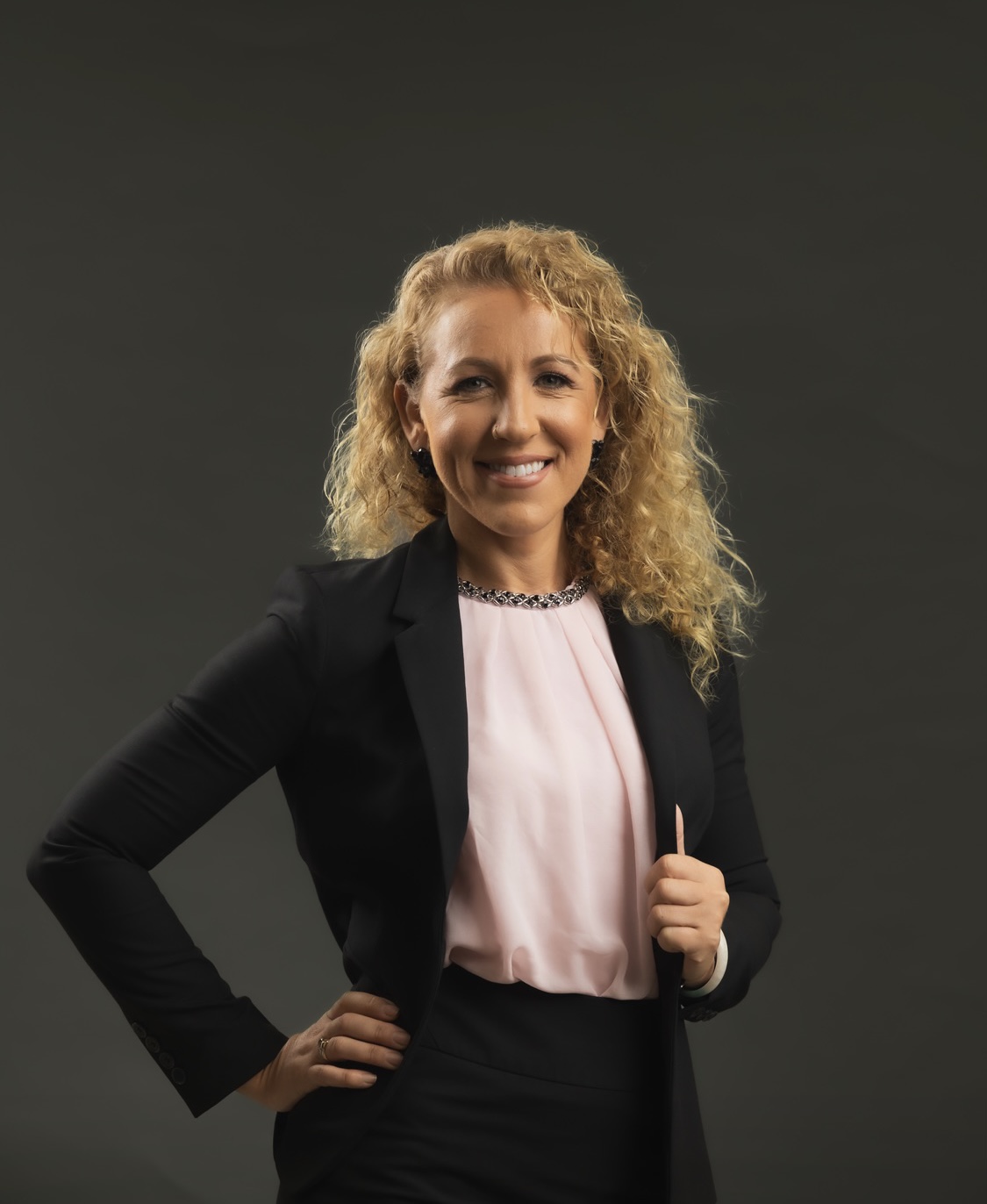
Dr. Carla is an Elite Mental Performance Coach and creator of the RISE Framework, helping tweens, teens, young adults, and their families build confidence, emotional resilience, and self-trust. Drawing from more than 20 years in education and coaching over 10,000 students and families, she helps young people perform at a high level without tying their worth to achievement. Today, she's here to share how parents can raise resilient, emotionally healthy, and self-led young people in an increasingly complex world.
